Countryside Inspiration

Thursday in Patna was packed.  We split into two groups.  Our group drove into the countryside to visit a savings group, and then back into the slums (their word) of Patna to visit another self-help group of women, followed by lunch at the revolving restaurant and then back to the airport and an evening flight to Kolkata.  Yikes.

IMG_1096IMG_0658IMG_0659

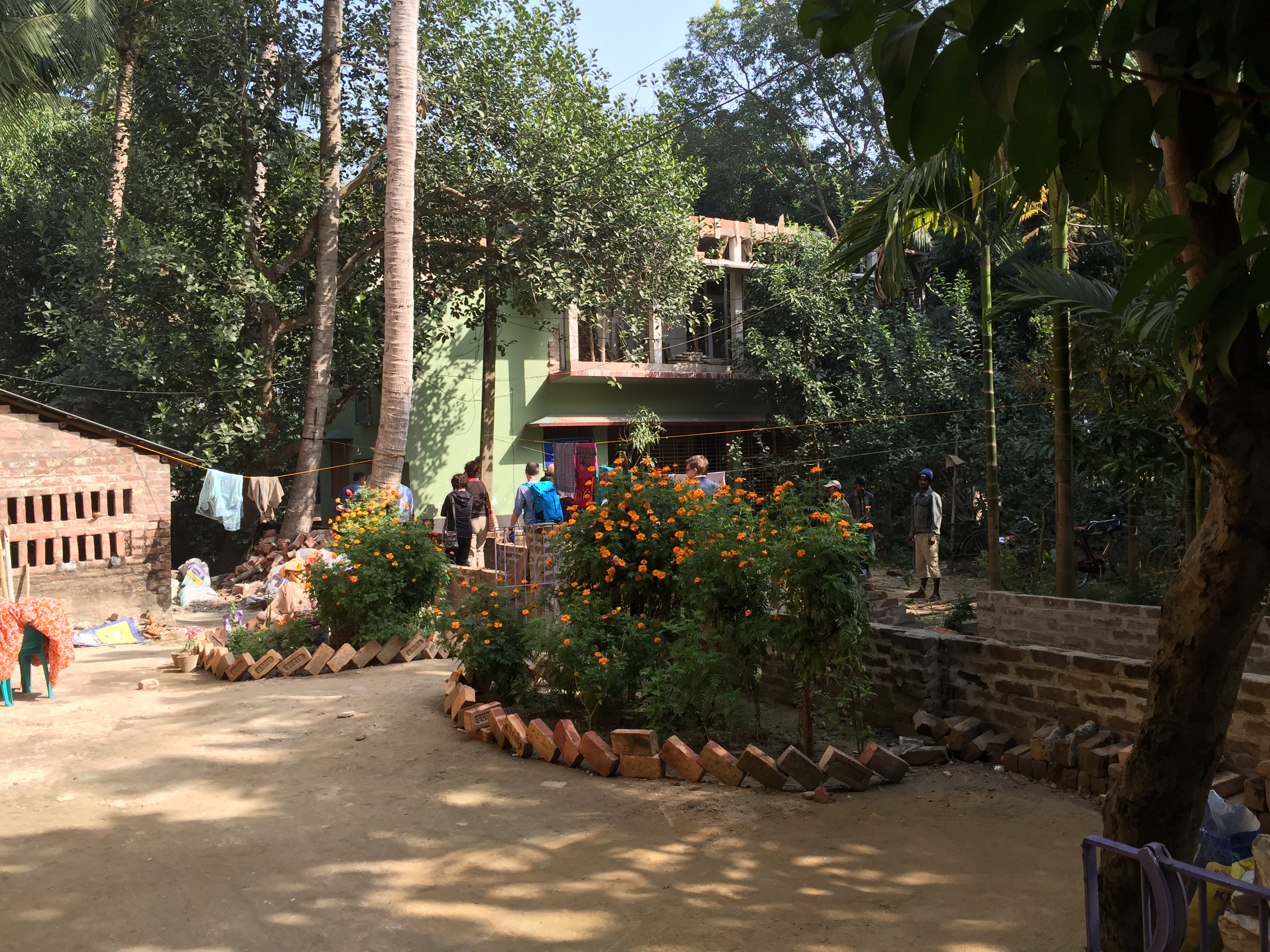
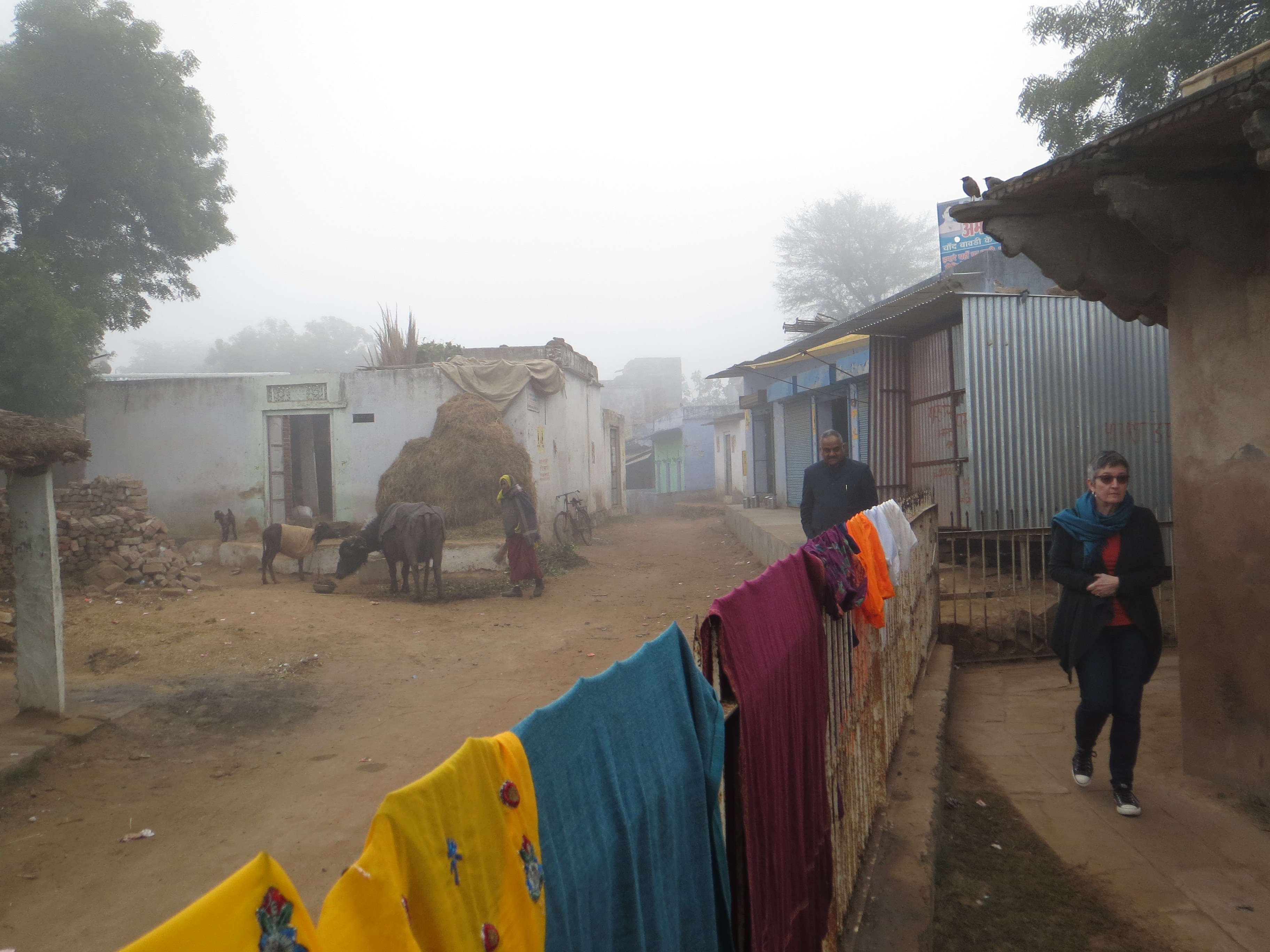
The drive out of Patna was dusty, noisy, and fascinating.  We quickly left the boundaries of the city and into the countryside, where after about 45 minutes we were in the extremely small village which was our first destination.

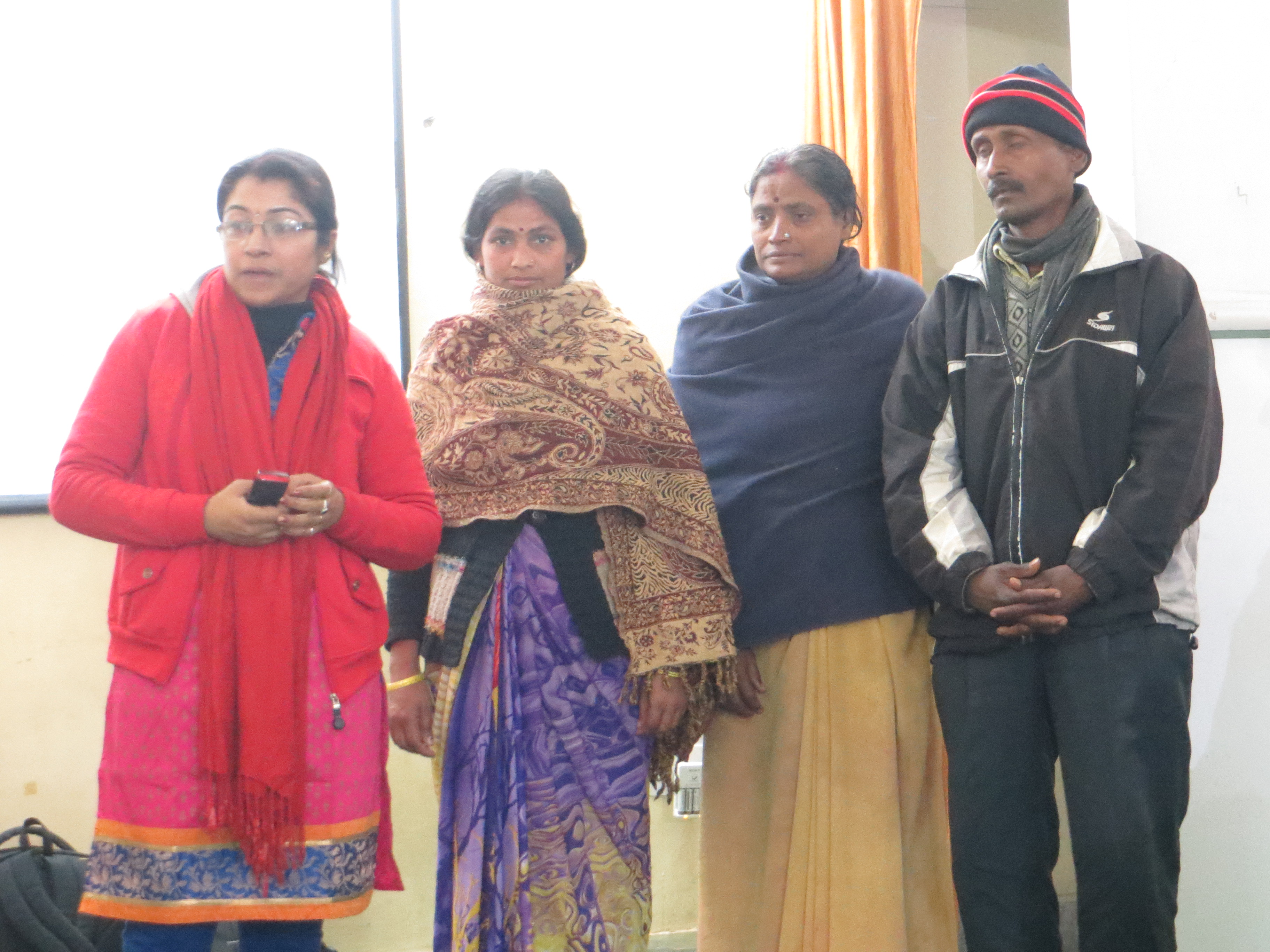
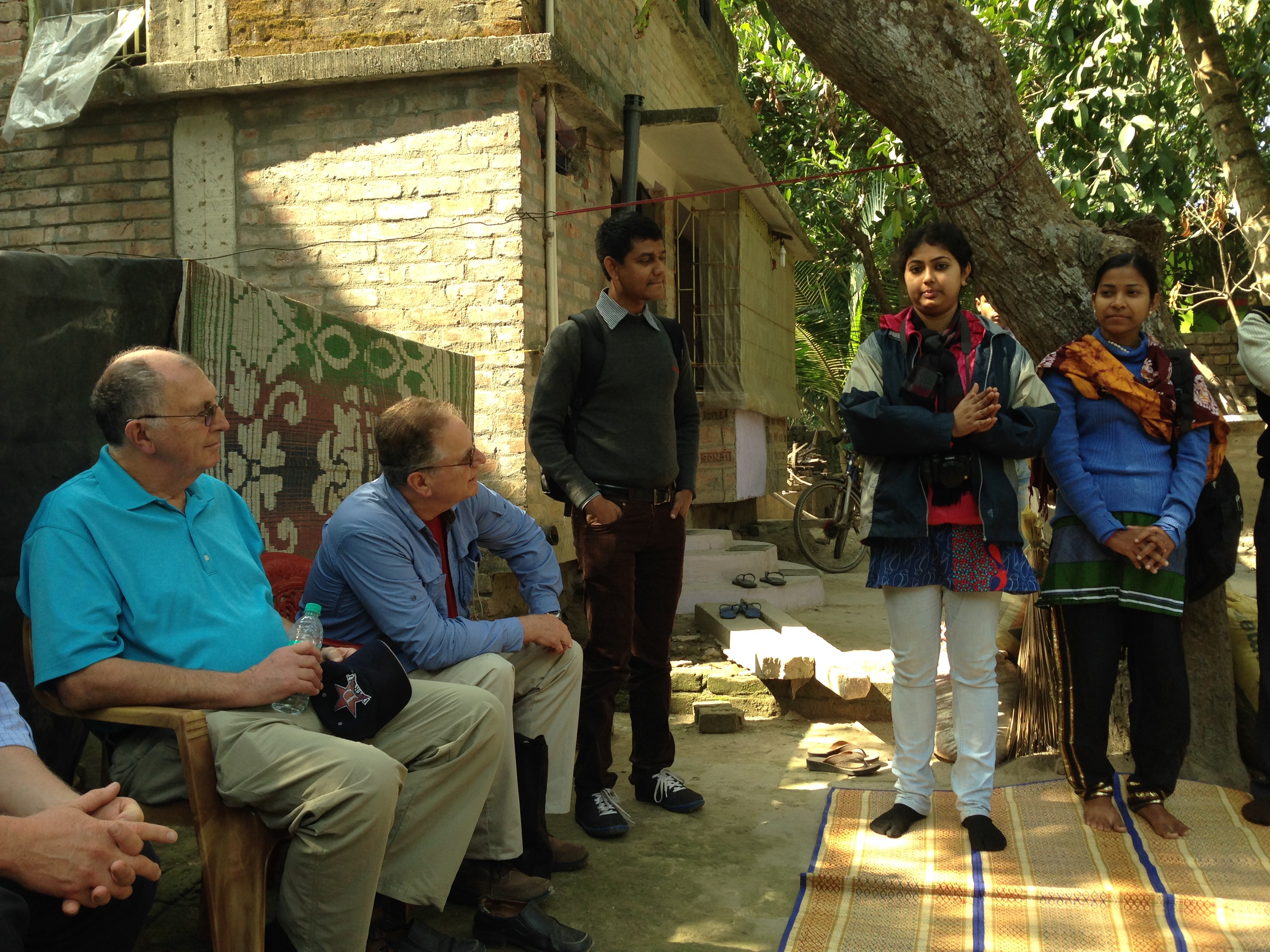
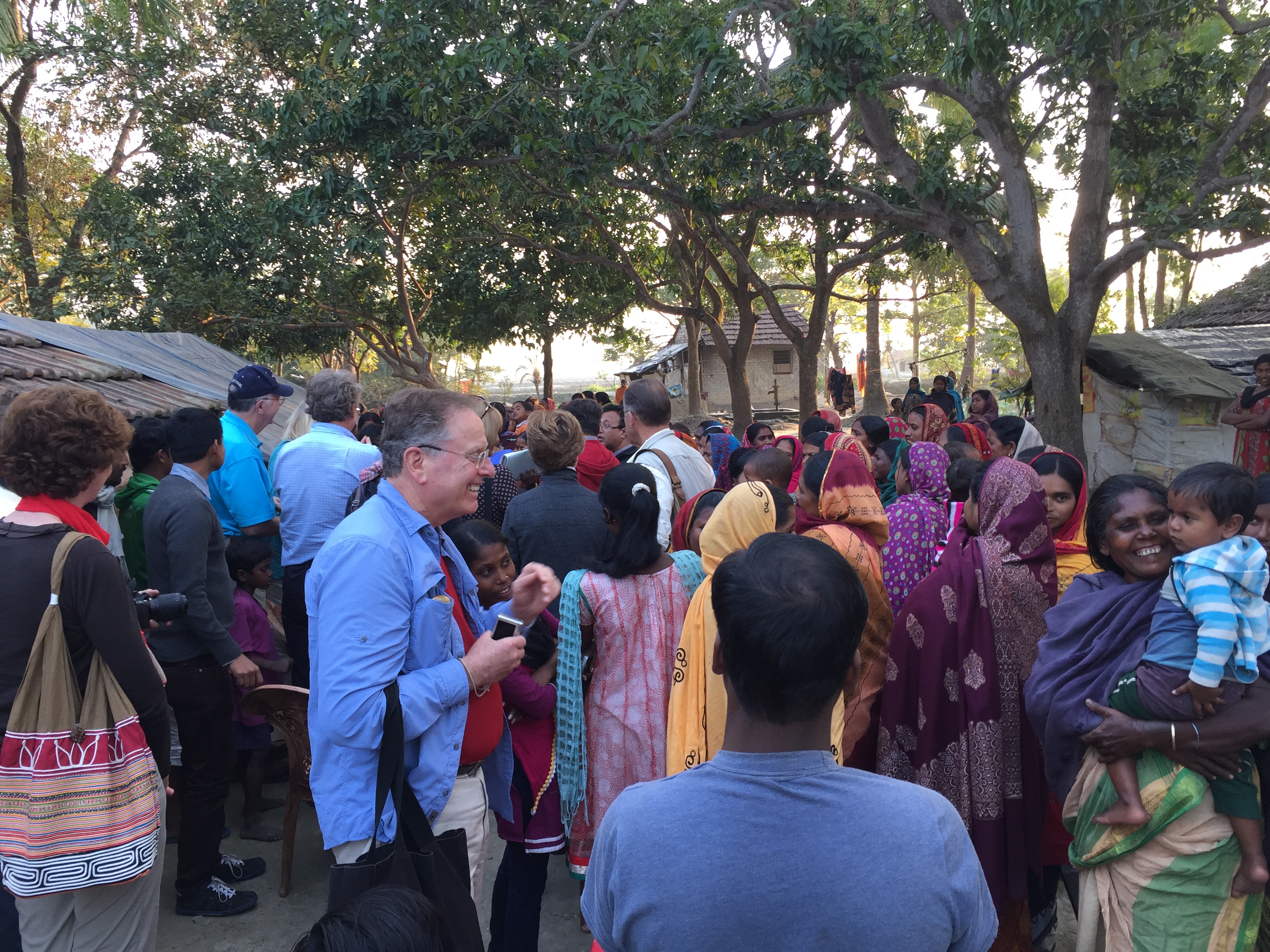
We were so honored to be there.  Left to right Steve Hollingworth, Bill Phillips, Catherine Roth, Deborah Burand, and Marianne Udow-Phillips.

We were so honored to be there. Left to right Steve Hollingworth, Bill Phillips, Catherine Roth, Deborah Burand, and Marianne Udow-Phillips.

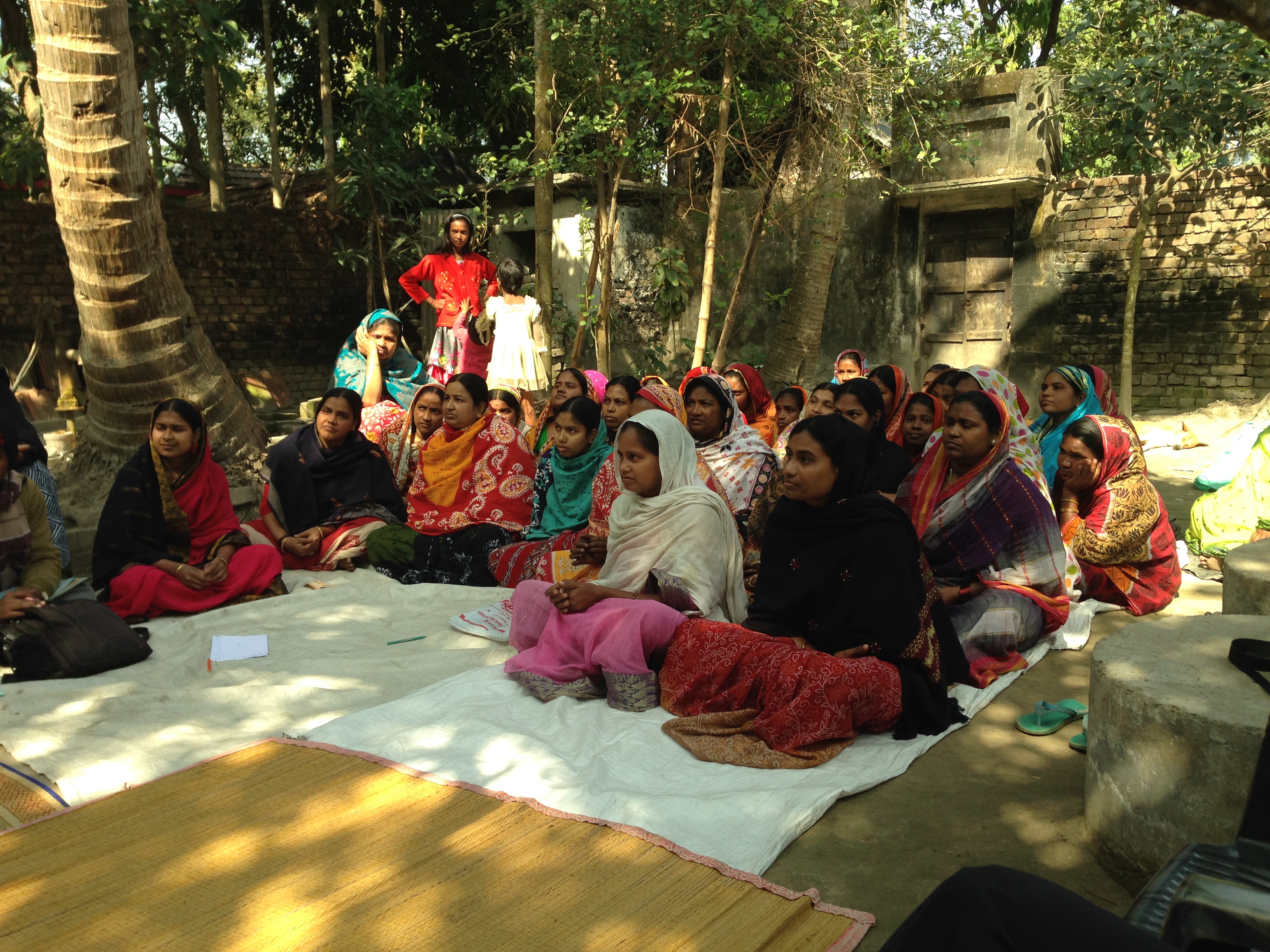
The poverty here is deep and to western eyes seems intractable.  None of the women have household latrines–everyone squats in the fields.  They farm–there was virtually no commerce.  The womens’ groups (they combined two to meet with us) come together to share savings, creating a pool from which they can borrow, and into which they pay in the form of purchasing shares.  Every year the accumulated savings, interest, and, if any, penalties (for being late to a meeting) are distributed and they start again.  This form of financial interdependency means they are able to smooth out their funds and have access to emergency money, e.g. for medical care.

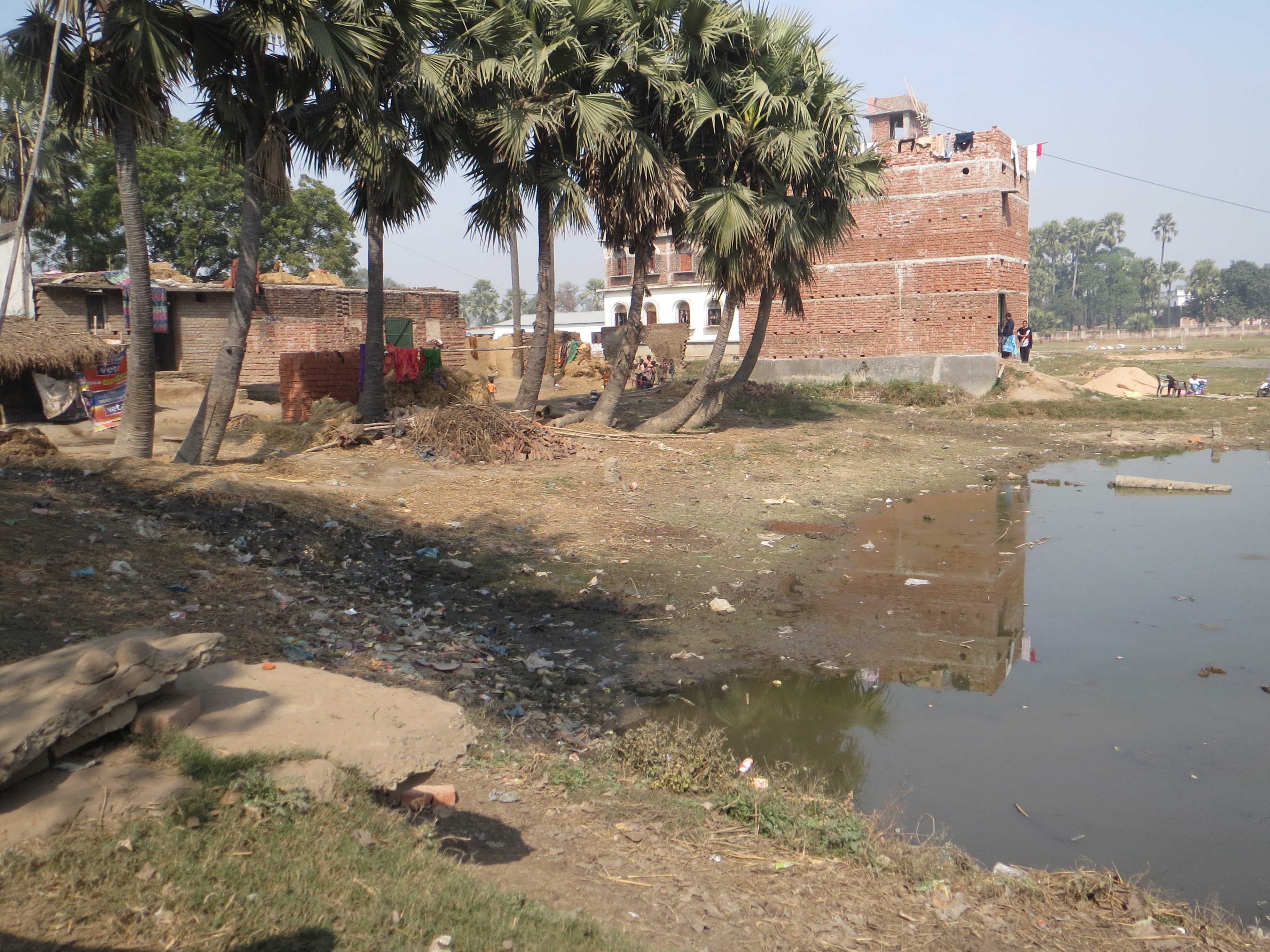
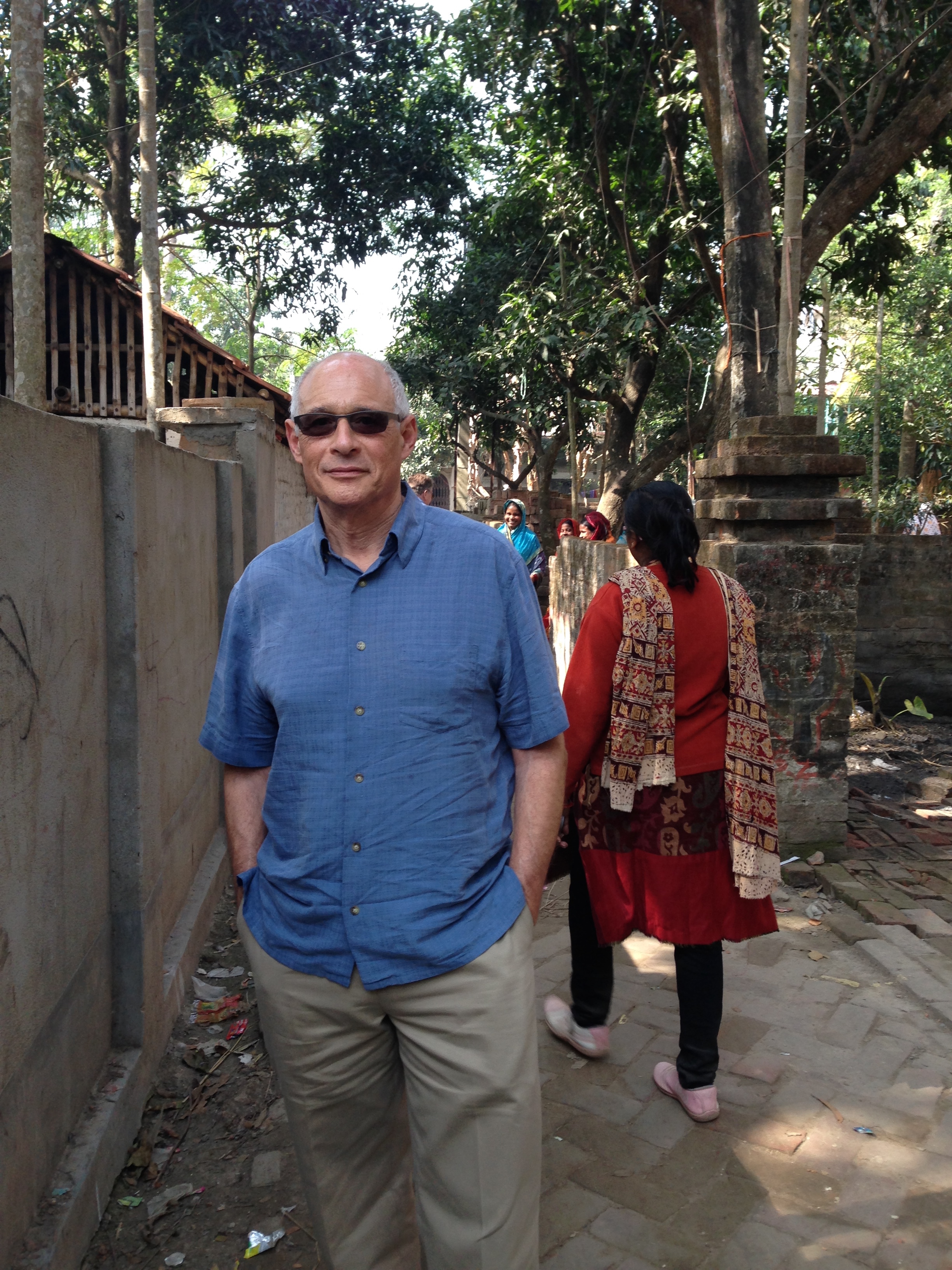
The pavilion where the women met was in front of a manmade lake which provides water for animals, bathing, and washing clothes.  Here is husband David Roth.

The pavilion where the women met was in front of a manmade lake which provides water for animals, bathing, and washing clothes. Here is husband David Roth.

IMG_1103

The trainer used rocks and pieces of paper to illustrate how many rupees diarrhea costs a family.

IMG_1101

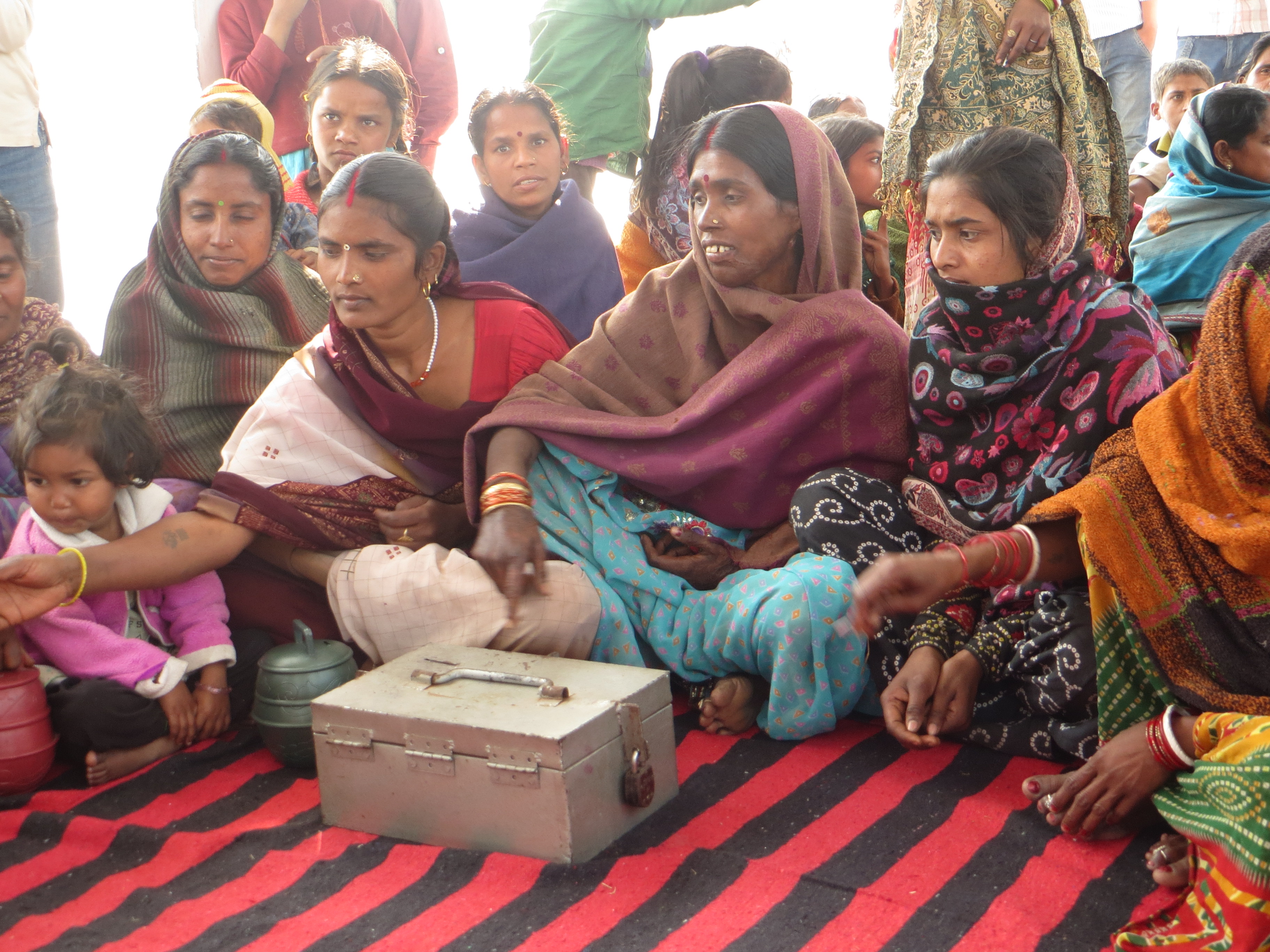
The women in this savings group explained how they keep their joint savings safe--3 keys held by 3 different women are required to open the safe.

The women in this savings group explained how they keep their joint savings safe–3 keys held by 3 different women are required to open the strongbox.

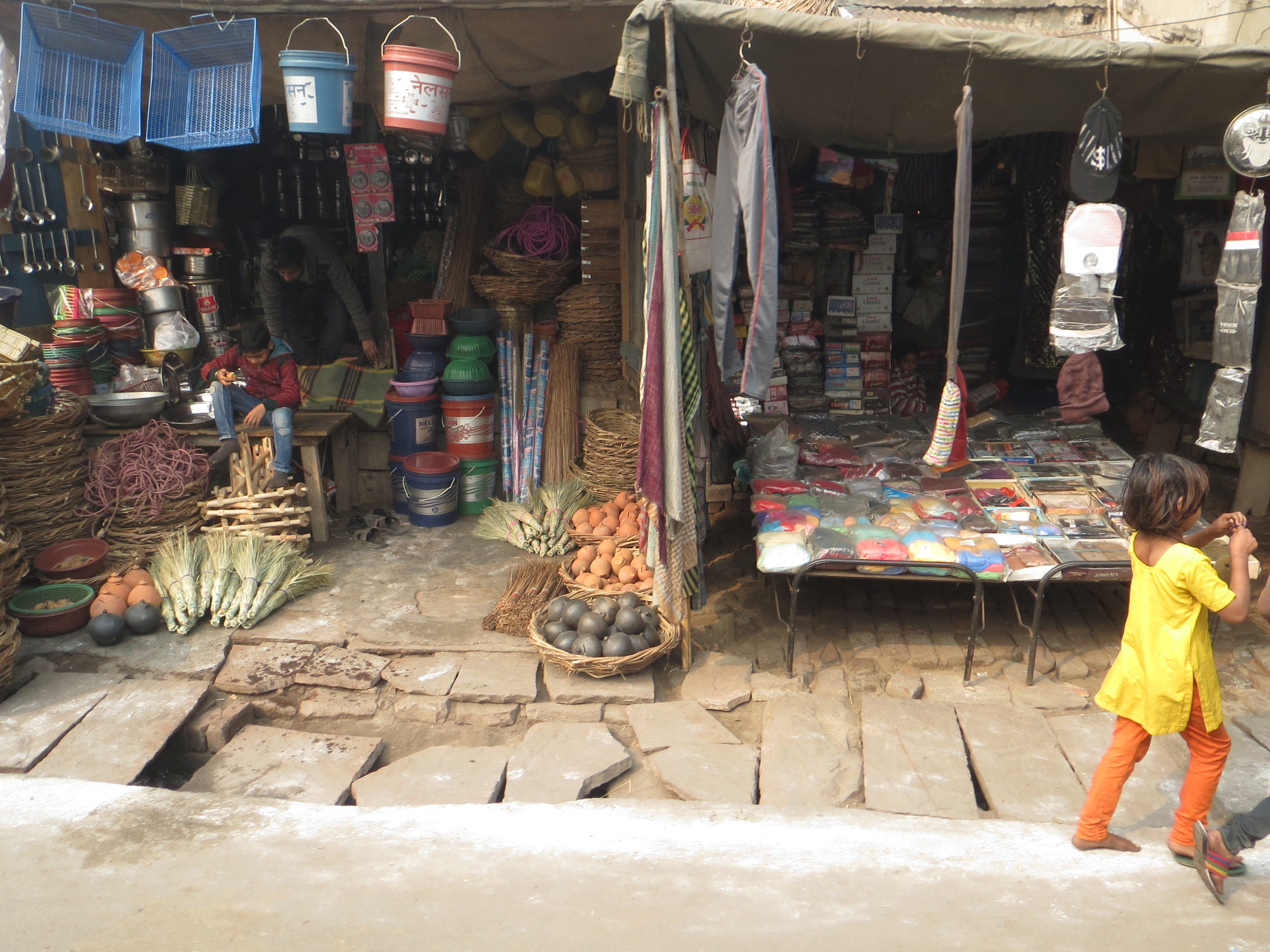
The women brought their home piggybanks where to put "extra" rupees to bring to the savings meeting.

The women brought their home piggybanks where to put “extra” rupees to bring to the savings meeting.

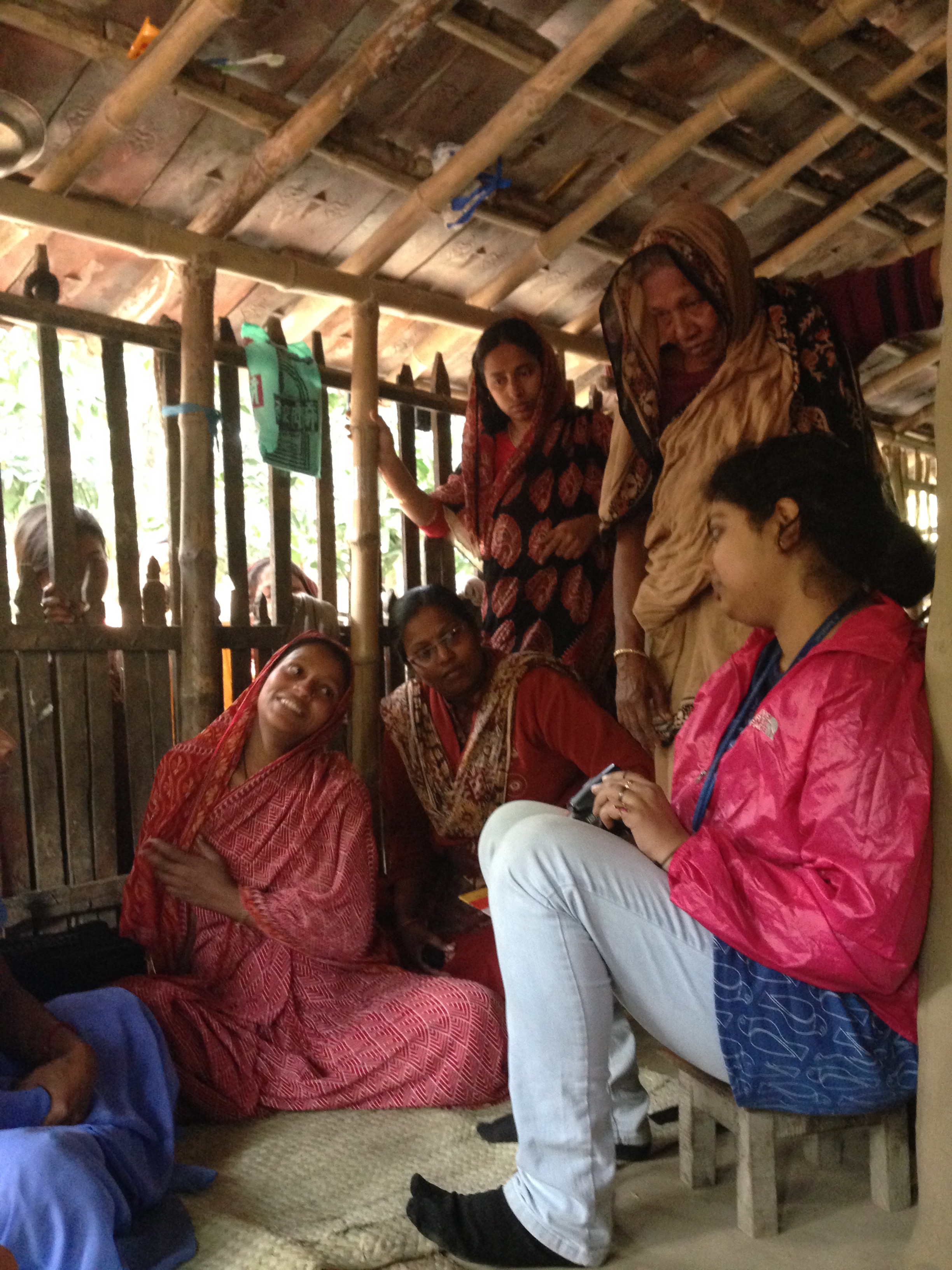
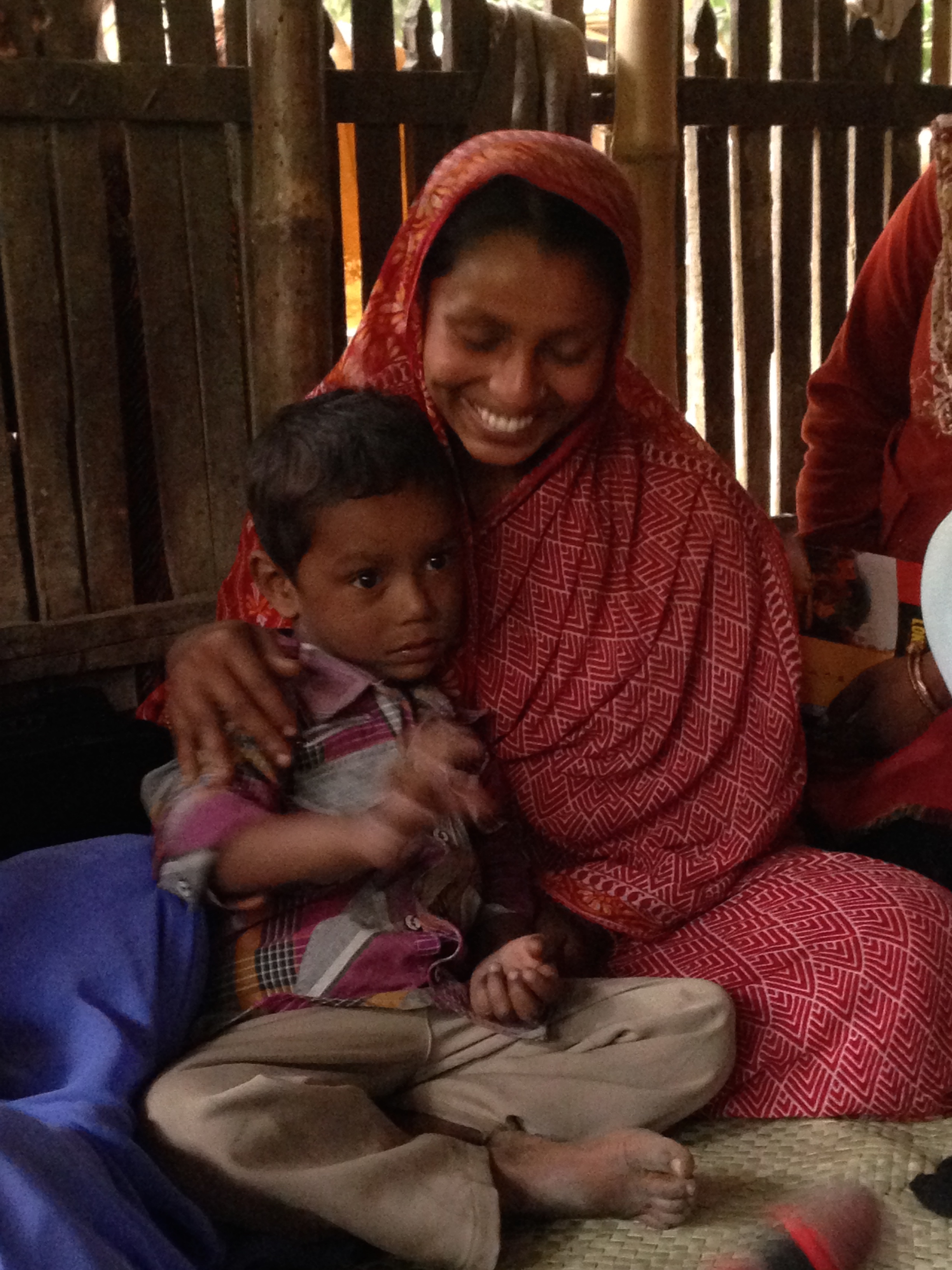
They had each brought their home piggybanks to show us how they put aside spare rupees in order to have the money to contribute to the savings at their meetings.  Monies are collected in a strong box with 3 locks, and in addition to the 3 women who each hold a lock, a fourth keeps the box, another counts the money at each meeting into the hands of a fifth who confirms the amount.  in the box they have 3 cloth pouches–one for savings, one for interest payments, and one for late-to-meeting penalties (this one was empty).  Many of the women had children in their laps, and men stood around the outside of the open pavilion observing the meeting, and, of course, looking us over.

The program representative from Nidan was giving them a lesson in how to assess the cost of diarrhea, using stones to represent different amounts of rupees.  He asked them to estimate what it costs to get transportation to the doctor when, say, a child has severe diarrhea (which all of them experience multiple times a year); what it costs to go into the hospital; what it costs for medicine or for IV hydration; what it costs to get back home.  They added it up my moving stones from one pile to another.  Next he addressed indirect costs.  What does it cost to miss a day of working, for example?  What does it cost a child to miss school if she has several bouts in a school year?  What does it cost a child for the rest of her life to have ill health?  What does it cost if this results in death?  In this group they estimated $20 in direct costs, and another $30 in indirect costs.  $50 is a LOT of money.  Several different women came up and moved the stones as they made their calculations.

As we sat in the meeting, a man drove a large herd of sheep by.

As we sat in the meeting, a man drove a large herd of sheep by.

This is the first step for these women–to understand how expensive diarrhea is.  The next key part is to convince them, through health and behavioral education, that this can change.

We asked them what kinds of things they had used their loans and/or savings for.

  • House repairs
  • Expenses related to illness
  • Clothes for festivals
  • Paying the electric bill
  • Feeding children a wider variety of food

I’d say that is a pretty good list.

In the distance, a man walked his water buffalo into the lake for a bath.
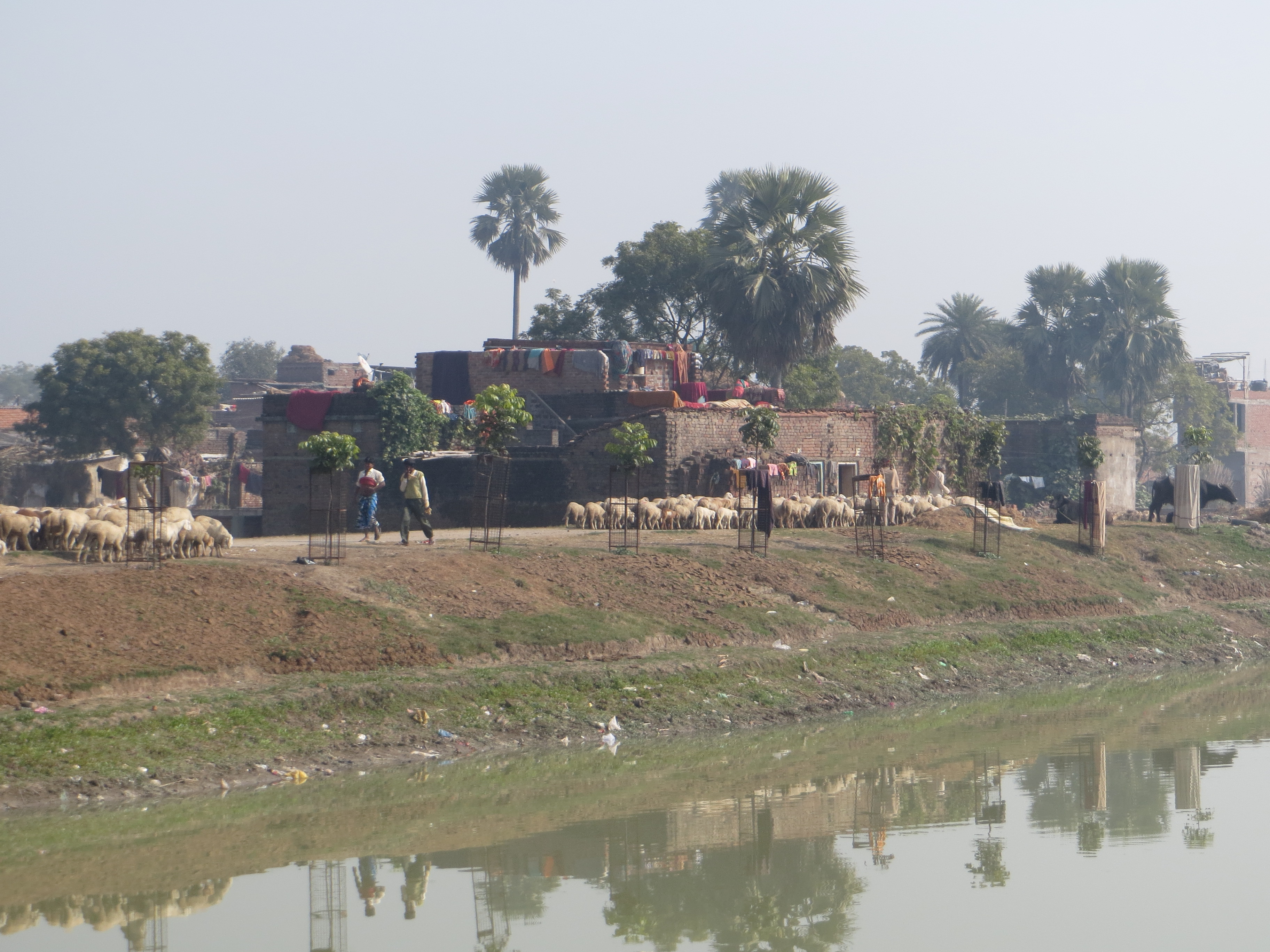
In the distance, a man walked his water buffalo into the lake for a bath.

As we sat in the pavilion we saw men herding sheep on the other side of the manmade lake.

As we sat in the pavilion we saw men herding sheep on the other side of the manmade lake.

Women washing at the manmade lake.

Women washing at the manmade lake.

After the meeting, the women walked home.
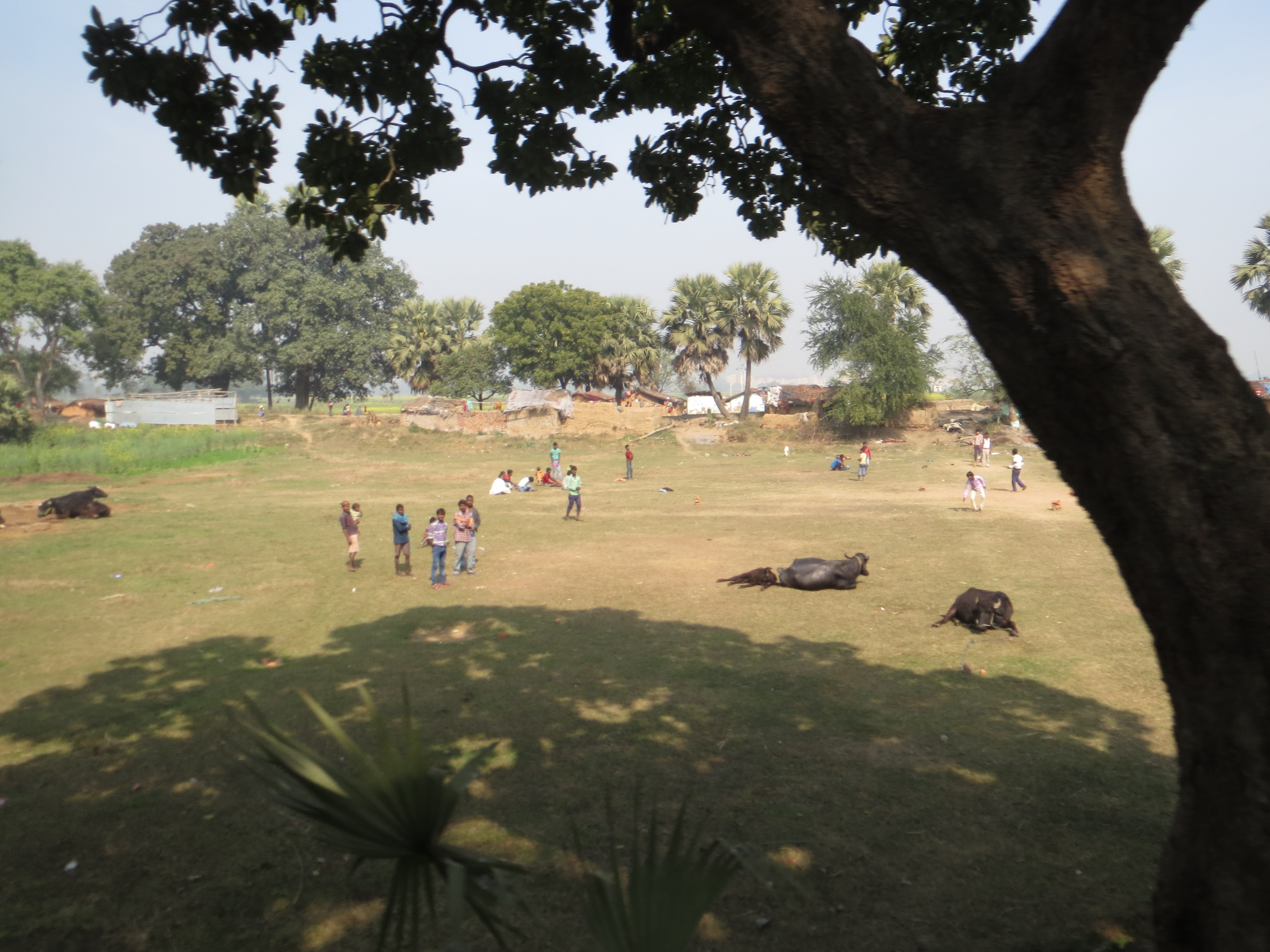
After the meeting, the women walked home.

Everywhere in India boys find time to play cricket.

Everywhere in India boys find time to play cricket.

The road through the "village" passed within feet of huts and, of course, animals.

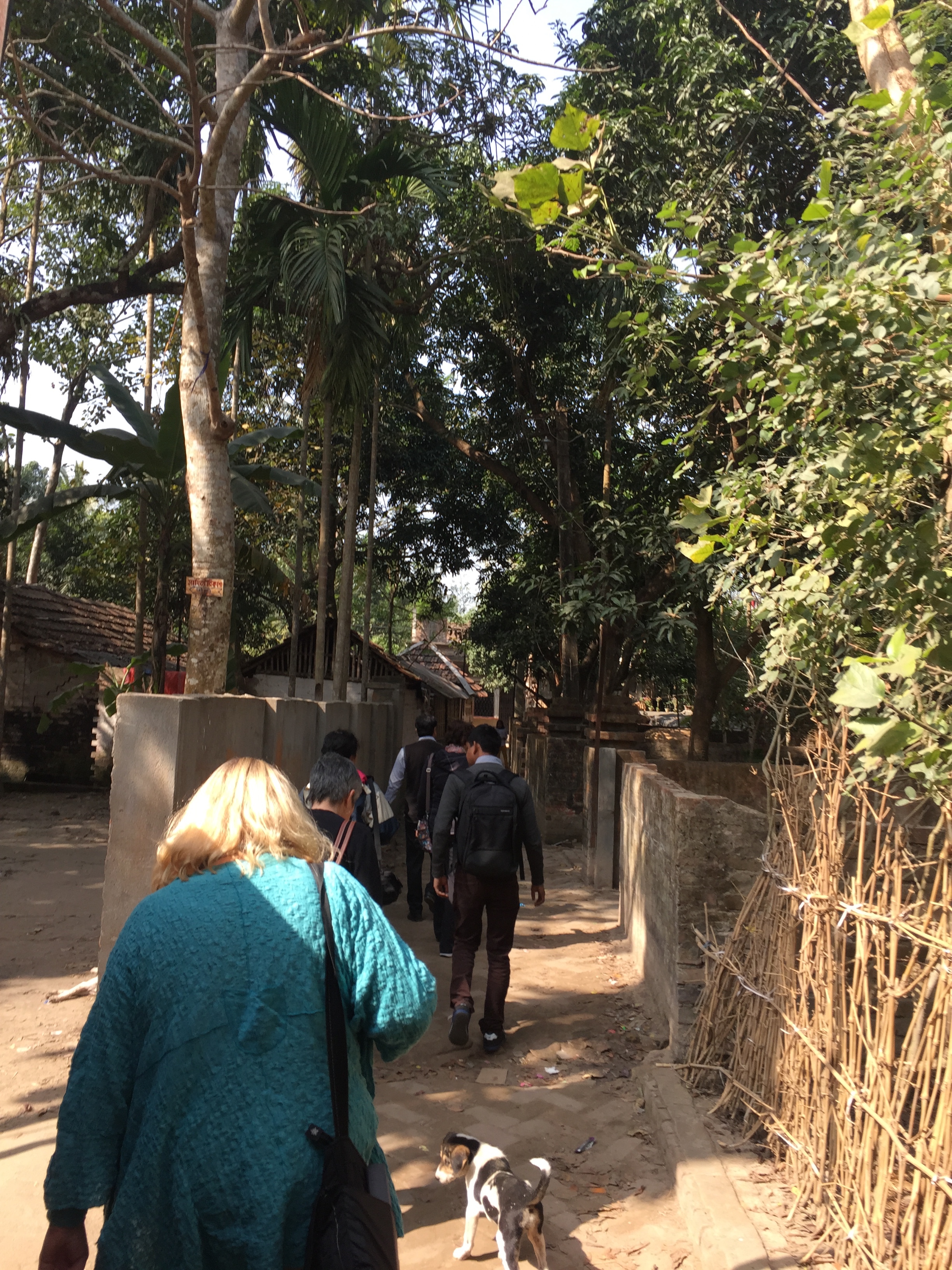
The narrow road–not much wider than a footpath, passed by houses, huts, livestock and people.

At the end of our session one woman stood up to tell us that they have no latrines, they have no access to clean water.  We wondered what would it cost for just this one village to upgrade this tiny bit…and India has 638,000 villages.  Yes, many of these women have mobile phones, but it’s a lot cheaper to get a phone than to get clean water.

IMG_1112

Picturesque…and desperately poor.

IMG_1118

A village well.  If you look closely you see a bottle of soapy water tied to the well to make it convenient to wash hands.  This innovation was brought to the village by Dr. Arthur Goshin, a Freedom from Hunger trustee, through his personal foundation.
A village well. If you look closely you see a bottle of soapy water tied to the well to make it convenient to wash hands. This innovation was brought to the village by Dr. Arthur Goshin, a Freedom from Hunger trustee, through his personal foundation.

Introduction to Patna, State of Bihar

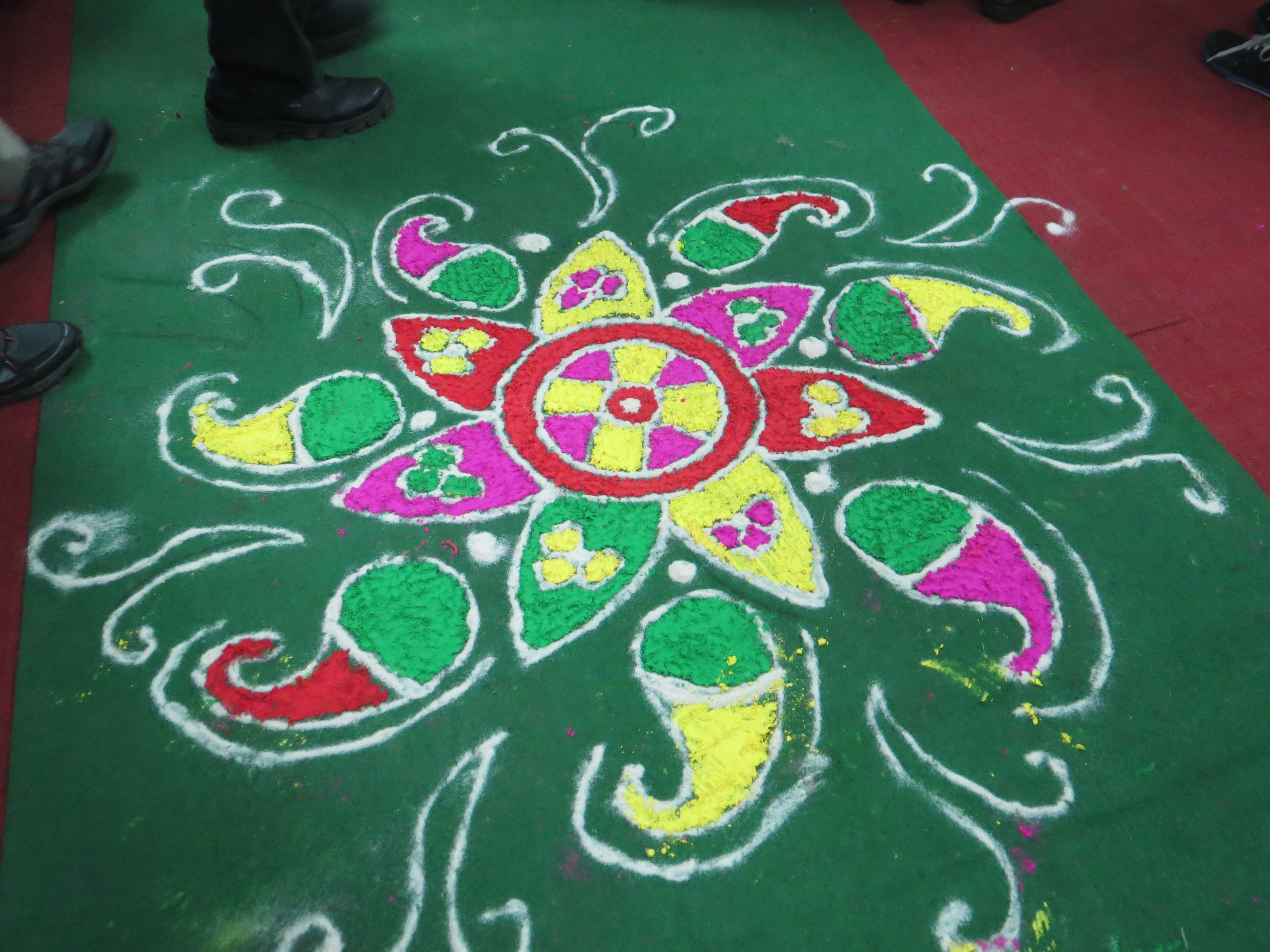
This chalk drawing decorated the entry where we were greeted at Nidan's offices, Patna.

This chalk drawing decorated the entry where we were greeted at Nidan’s offices, Patna.

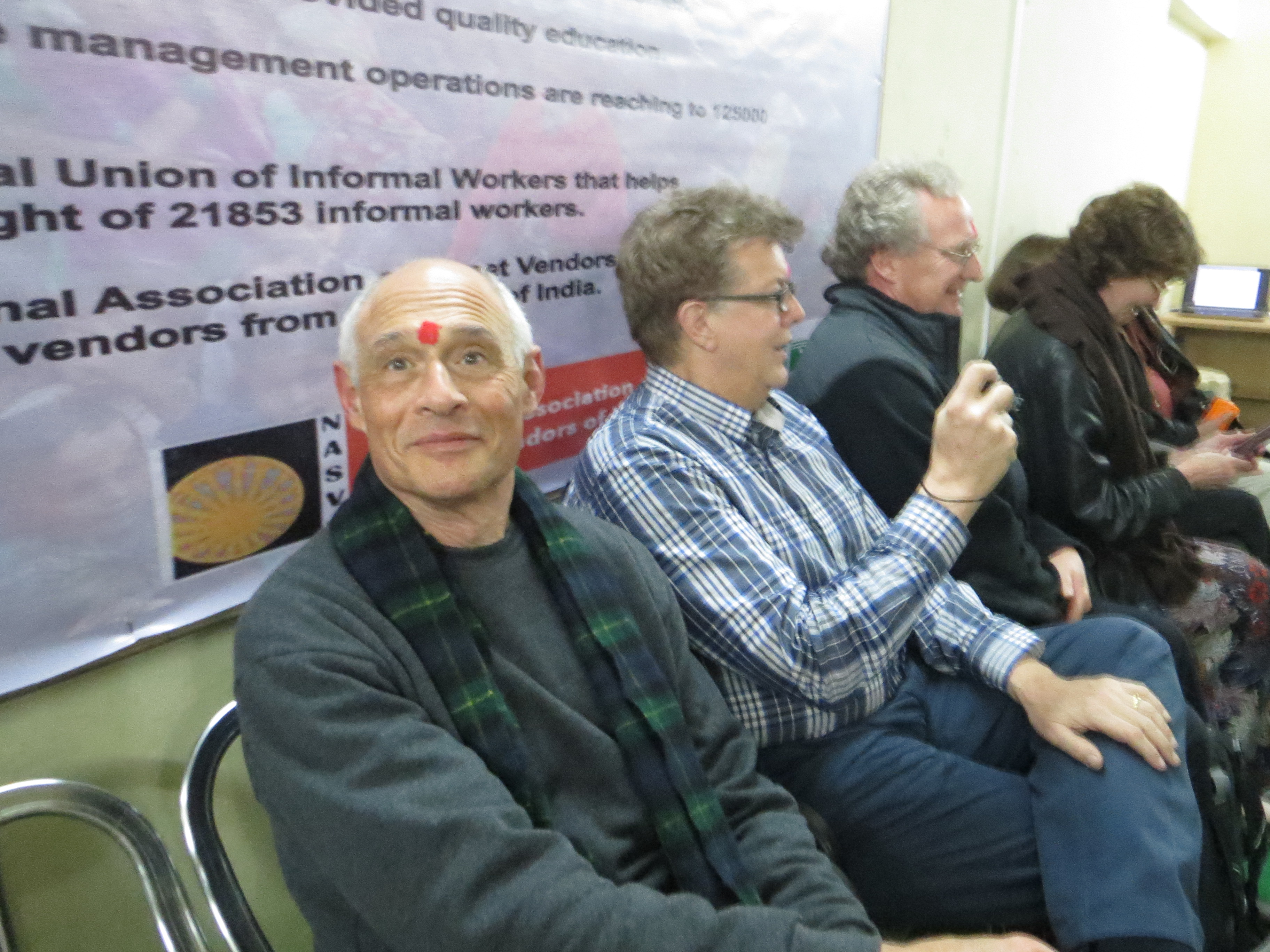
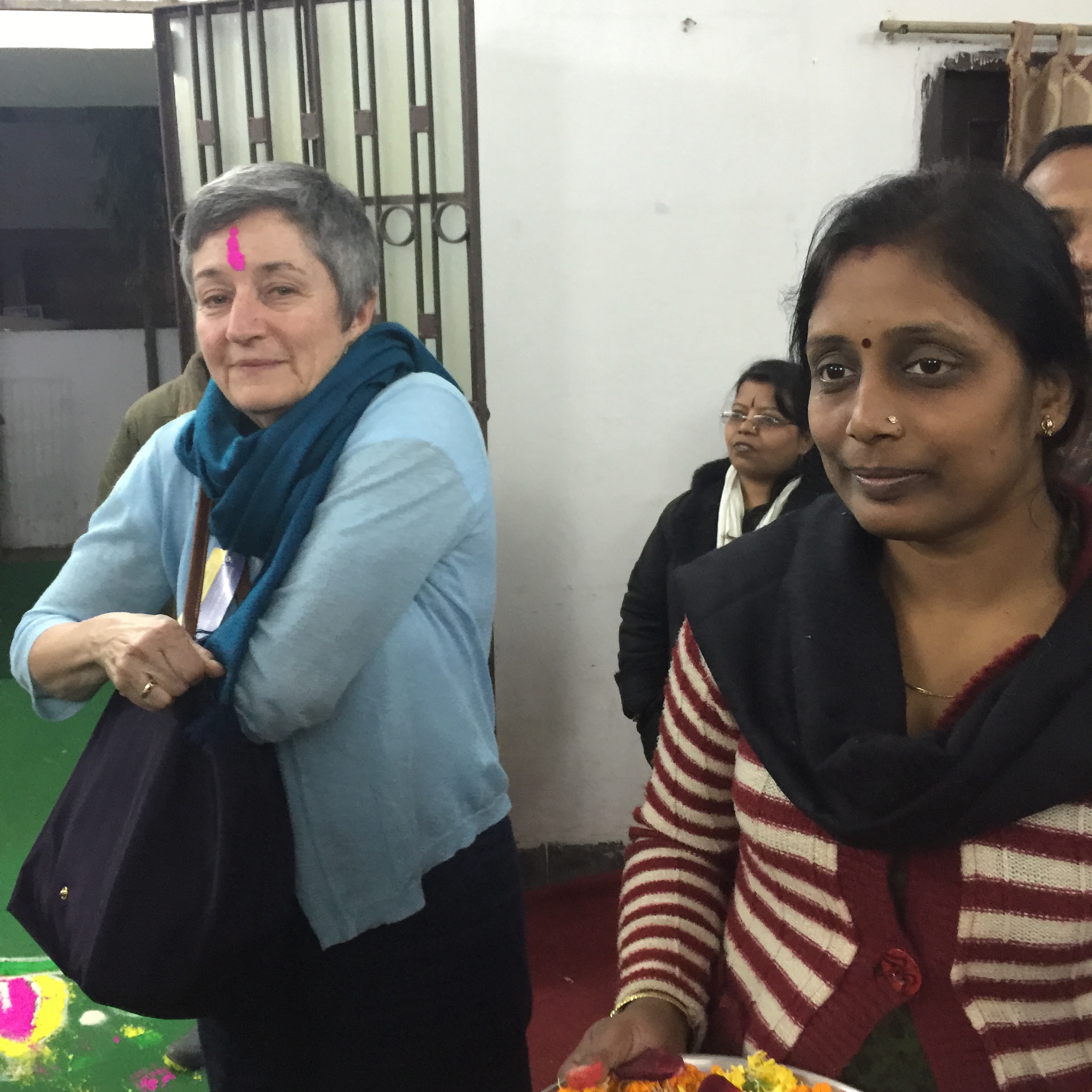
Wednesday evening we arrived in Patna, a very small city in Bihar state–only 2 million or so people. It is about 50 miles from the Nepal border.  From the airport we were whisked immediately to the offices of FFH’s partner here, Nidan, where we were treated by a blessing, with colored chalk applied to our foreheads, a beautiful chalk drawing on the floor, many smiling people, and the upstairs for a series of presentations by program managers and clients describing the amazing work this organization delivers to Patna–and to its garbage and household workers, street vendors, home handicraft workers, children, low-caste workers, etc. (Caste plays a huge role in Bihar, still, dictating whom you vote for, your profession, etc. )

IMG_0631

We were exhausted from our day–I had a bad cold–but invigorated by the blessing. They were generous with the chalk!

IMG_0634 IMG_0636

The programs are creative and far reaching. For example, they have been organizing street vendors, providing them with hygiene training, setting up a highly successful street food festival in Delhi, getting a contract at the local government building which employs 10,000 workers to develop a food court (and $58,000 in funding to build kitchen and other facilities). They want to make street food enticing and safe for the middle class and for tourists.  They have organized home handicraft workers, connecting them with foreign buyers, introducing newer, more modern designs so they can sell to a more diversified market, and opening a local retail outlet. Across everything they do, they use Freedom From Hunger methodologies to deliver health, nutrition, and hygiene training.

This is a group of home workers--handicrafts.

This is a group of home workers–handicrafts.

Here are garbage and housekeeping workers who have been organized by Nidan.

Here are garbage and housekeeping workers who have been organized by Nidan.

The woman on the right creates hand-painted silk shawls, from whom David bought many.

The woman on the right creates hand-painted silk shawls, from whom David bought many.

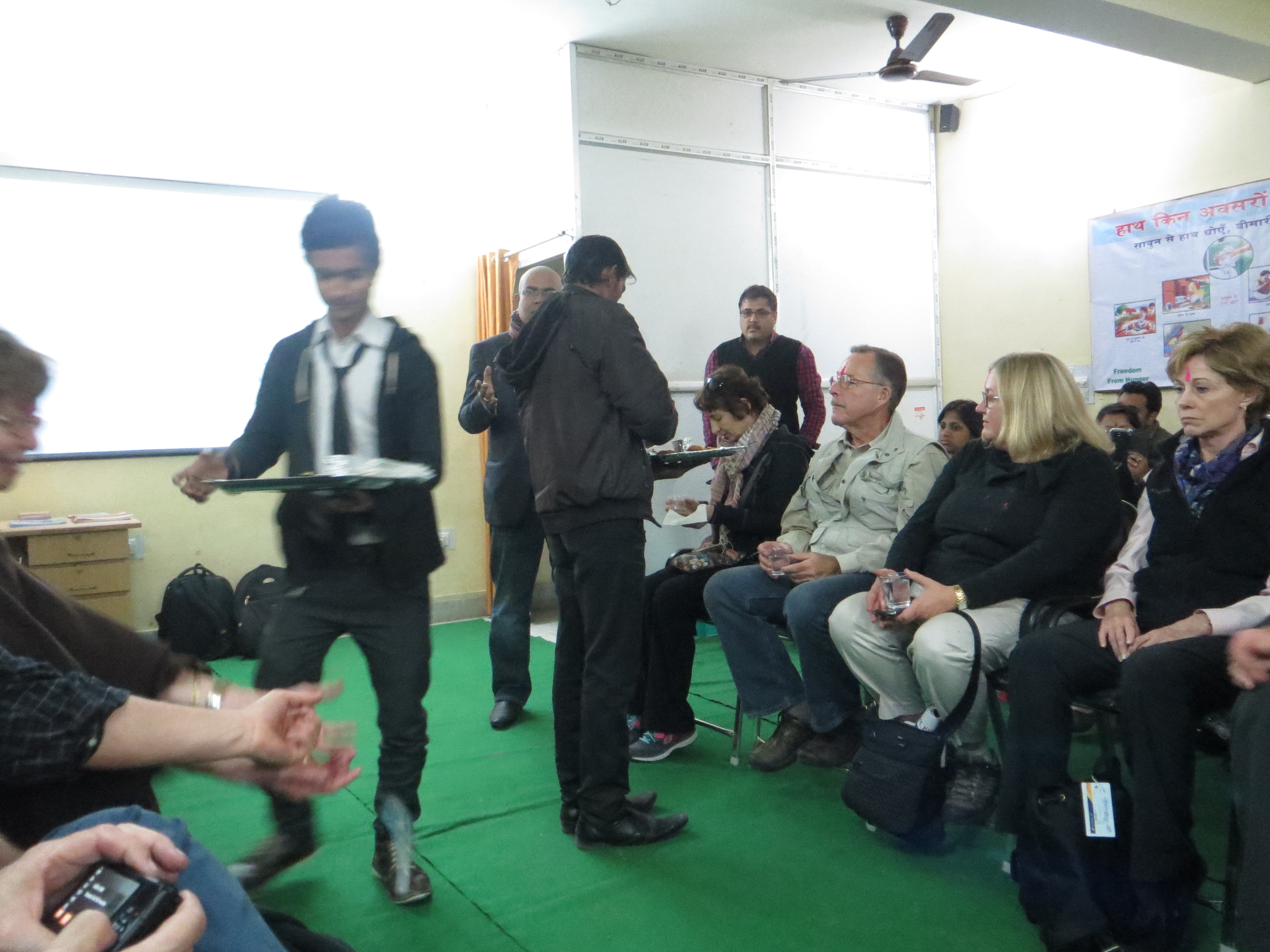
During much of the program we were served, as were the participants and program managers, a seemingly unending stream of food. Fried potatoes with a mint sauce, chicken kebabs, some fried patties (delicious), water, coffee, and then another round of chicken, fried potatoes, etc. When the presentations concluded they announced that now we would have dinner! Pooris, chicken, mutton, dal, rice, little cake things (savory), and fried fruit fritters for dessert. After we were all served they came around again to offer more chicken, more rice. We were groaning.

Tomorrow we split into two groups to visit programs in the countryside and in the slums of Patna. To bed!

Fried potatoes with mint and chicken kebab.  Merely appetizers, if only we'd known it!

Fried potatoes with mint and chicken kebab. Merely appetizers, if only we’d known it!

Every two or three minutes a young man circulated with more food.

Every two or three minutes a young man circulated with more food.

David Roth, Bill Phillips, Steve Hollingworth, and Marianne Udow-Phillips.

David Roth, Bill Phillips, Steve Hollingworth, and Marianne Udow-Phillips.

Lost in Kolkata

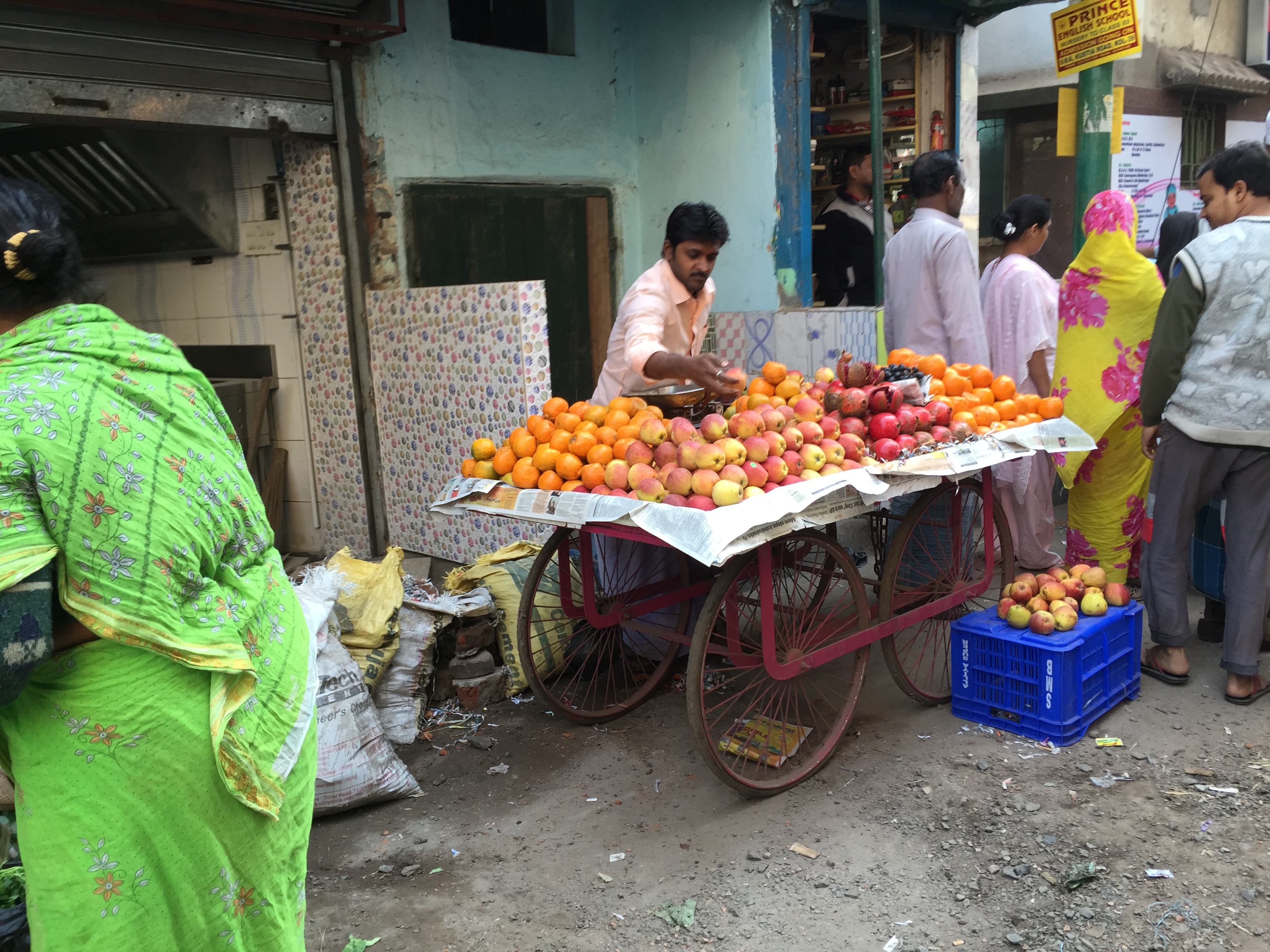
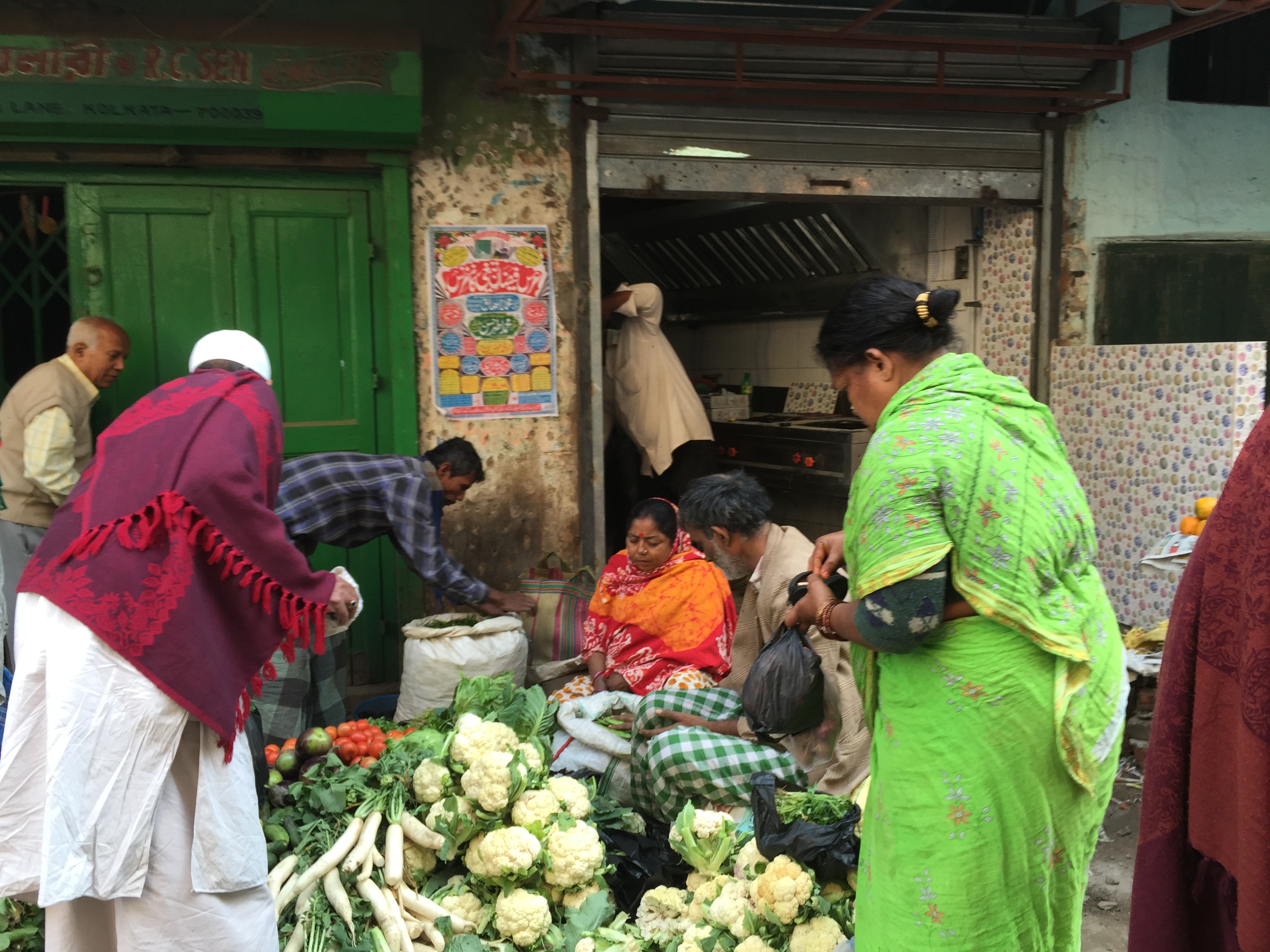
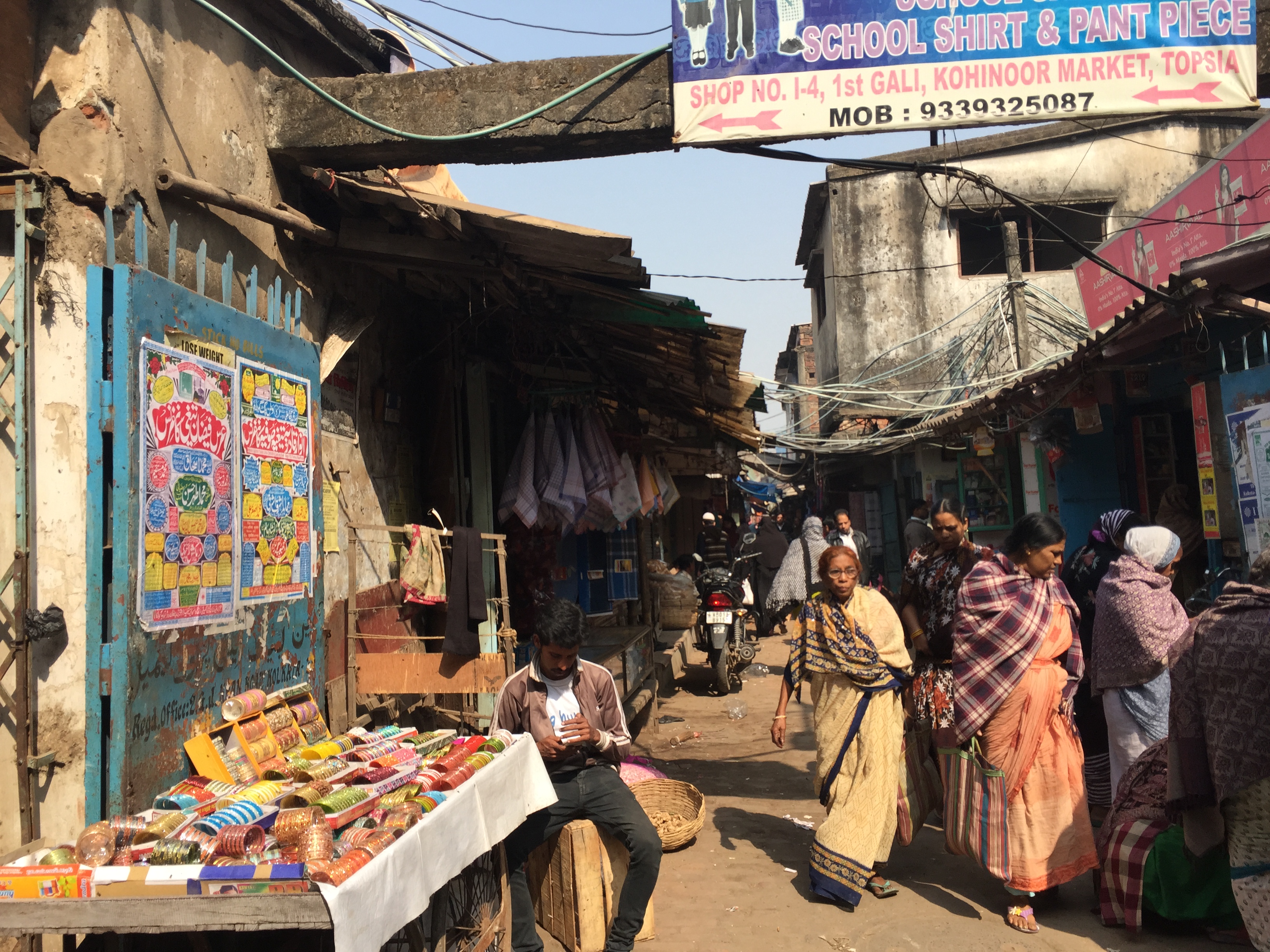
We set out in multiple minivans, intending to caravan to the government day care site where we would meet a group of adolescent girls who are learning hygiene and nutrition through games, drama, and peer-to-peer training. Our CEO Steve tells us this is a lower working class neighborhood, a labyrinth of extremely narrow, twisting streets, teeming with commercial activities of every kind. Small stores selling sundries, barbers, copying and scanning shops, butchers, cooked milk products, sweet shops, kids in school, women dressed in the gamut of Indian and Muslim dress, men on motorcycles, rickshaws, cars, garbage heaps, knife sharpeners, dogs and goats, and and and! Our driver quickly lost the lead car and his way, and, incredibly, we ended up backing out of these twisting, narrow “streets” once, twice, three times, with various cell phone arguments as he tried to figure out where to go. We passed Laxmi Sweets 3 times, and in this maze when you are able to recognize you have been here before you know you are good and lost.

The set of photos below are from this little journey.

IMG_0570

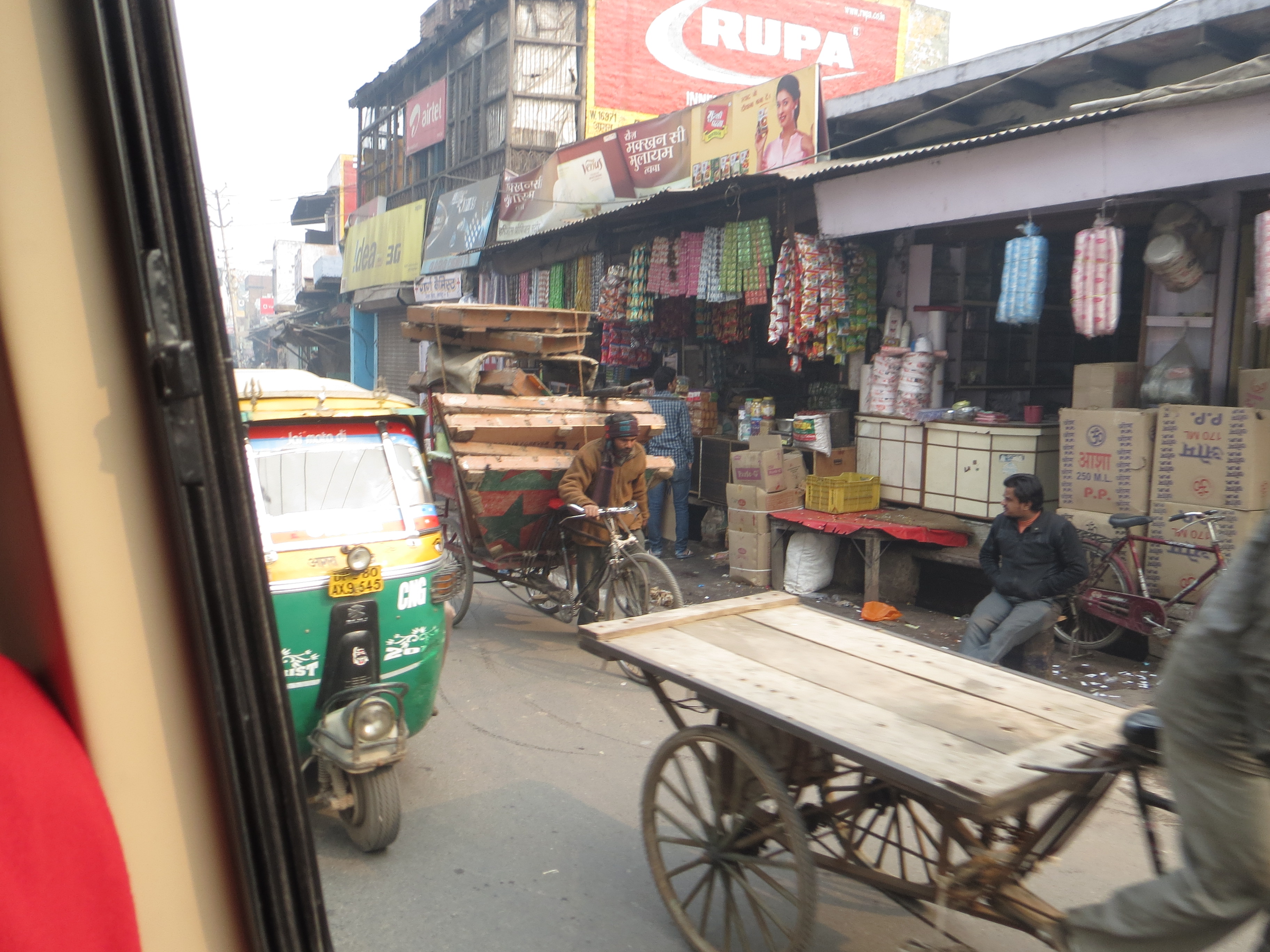
It is very difficult to convey just how crowded it is–these streets somehow accommodate cars and taxis (and the occasional bus, believe it or not) passing each other.

IMG_0584

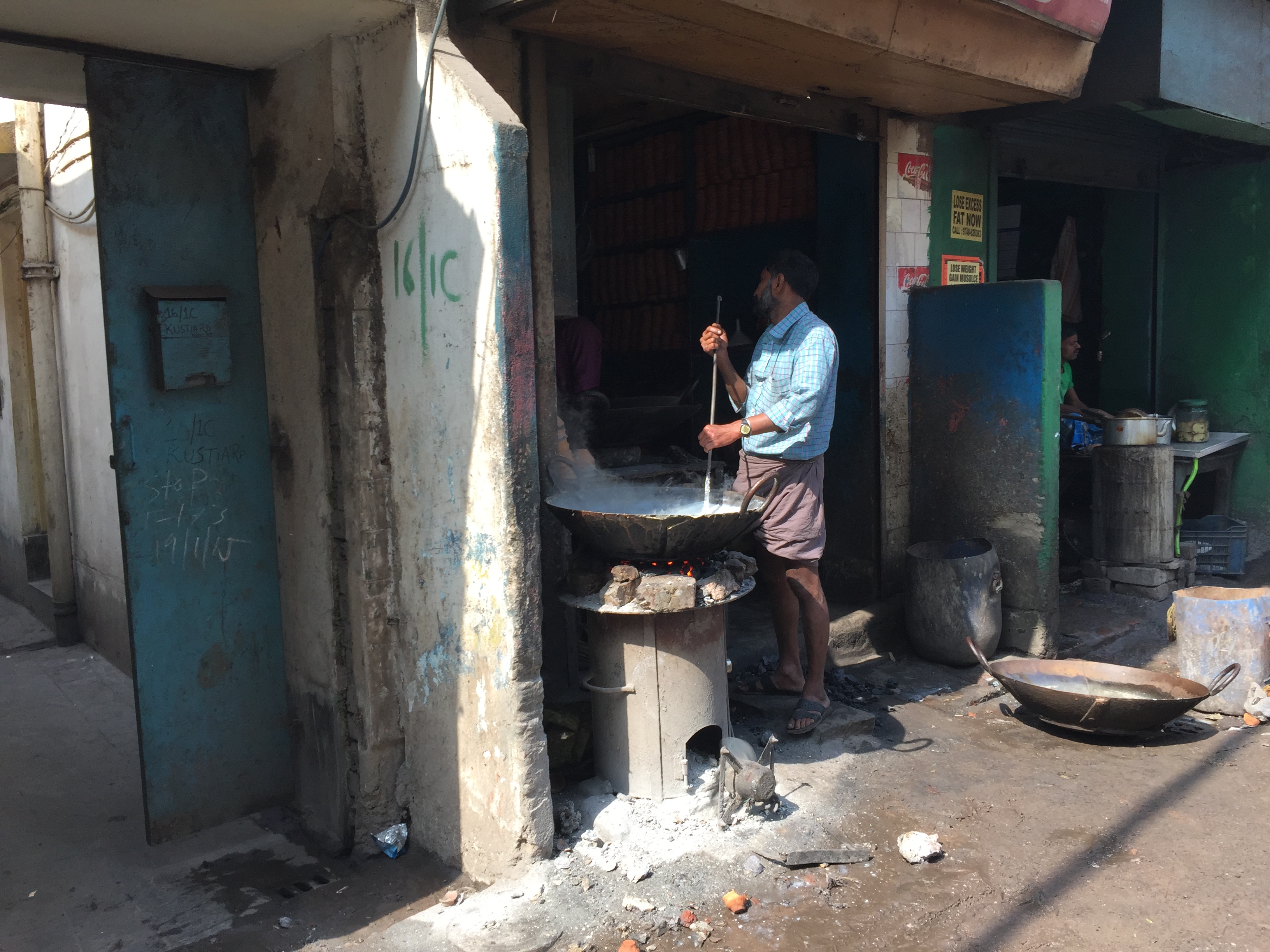
This man is stirring boiling milk to make curd.

Self-explanatory!

Self-explanatory!

Produce everywhere.

Produce everywhere.

Butcher shop--mutton?

Butcher shop–mutton?

IMG_0576

Cauliflower!

IMG_0596

A linoleum shop.

IMG_0579

This glass case is filled with dishes that look like they might be various kinds of pickles.

IMG_0594 IMG_0571 IMG_0597 IMG_0588 IMG_0581

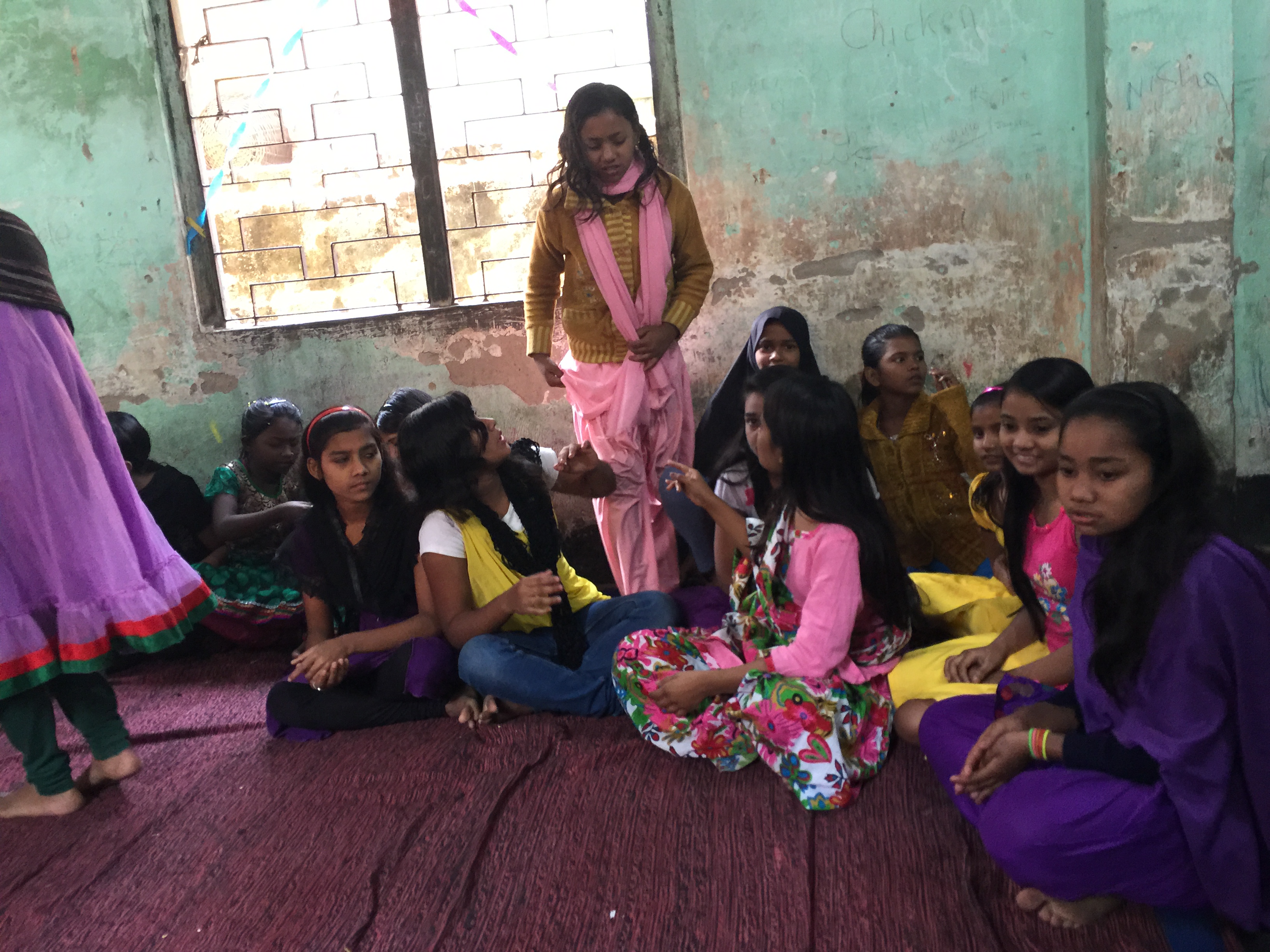
Suddenly a young women comes up to the car and beckons the way, and we are saved. We pull up in front of a concrete building with a metal gate and small courtyard, where a gaggle of adolescent girls waits for us, one holding a tray of marigold petals on which is a small scissors. A length of crepe paper is stretched across the doorway and as the board members, Bill Hamm and I share the honor of cutting the ribbon to cheers from the girls, who then pop a balloon filled with confetti to more cheering. Off with our shoes and in we go to a delightful presentation by the girls.

The site is a government run day-care center.  In the back of the room were a group of 10-15 toddlers playing--and periodically watching what the big girls were doing--another teaching opportunity.

The site is a government run day-care center. In the back of the room were a group of 10-15 toddlers playing–and periodically watching what the big girls were doing–another teaching opportunity.

They showed how they act out poor water sanitation as a drama of a family getting sick, for example, to applause and cheers, and then “the promise.” They hold hands in a circle, sing a song about how they will remember what they have learned, use it every day, and throw their hands up and cheer. The. A drama about good nutrition. Followed by the promise. Then an explanation by the girls about the three colors of the India flag, green for green vegetables, white for eggs and milk, saffron/orange for dal–and then the promise to eat these and feed them to their families every day.

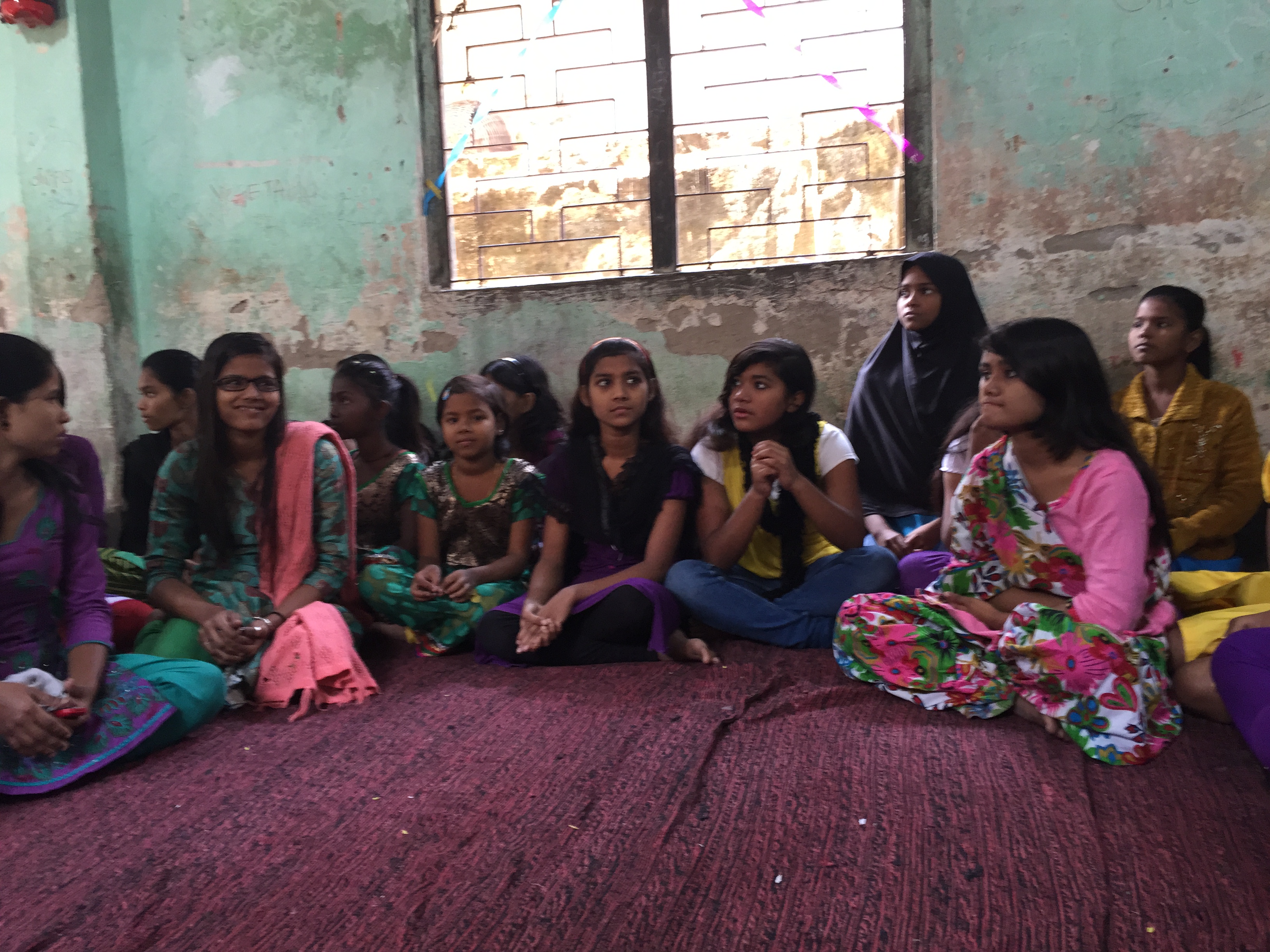
This group of adolescent girls, most in school but some "left-outs" or "drop-outs" are learning hygiene and nutrition peer-to-peer.

This group of adolescent girls, most in school but some “left-outs” or “drop-outs” are learning hygiene and nutrition peer-to-peer.

They acted out dramas on a "stage" of chalked rooms (kitchen, latrine, water pump) to teach how to keep a family safe from diarrhea.

They acted out dramas on a “stage” of chalked rooms (kitchen, latrine, water pump) to teach how to keep a family safe from diarrhea.

Afterwards the girls wanted to take our pictures on their mobile phones.

Afterwards the girls wanted to take our pictures on their mobile phones.

Down to Business

Monday morning breakfast at the lovely Kenilworth Hotel was the first step in our transformation from a little band of six to a complicated group of twelve, a mix of Freedom from Hunger (FFH) staff, trustees (3 of us), friends of the FFH family, and new inductees into the FFH circle of admirers.  We started the day with a meeting with local FFH staff and our president and CEO, Steve Hollingworth, who oriented us to the week, provided a rich background on the organization, its place in the microfinance world, and the status of the fight to end hunger.  Please, if you have something to give or want to know more, go immediately to www.freedomfromhunger.org.

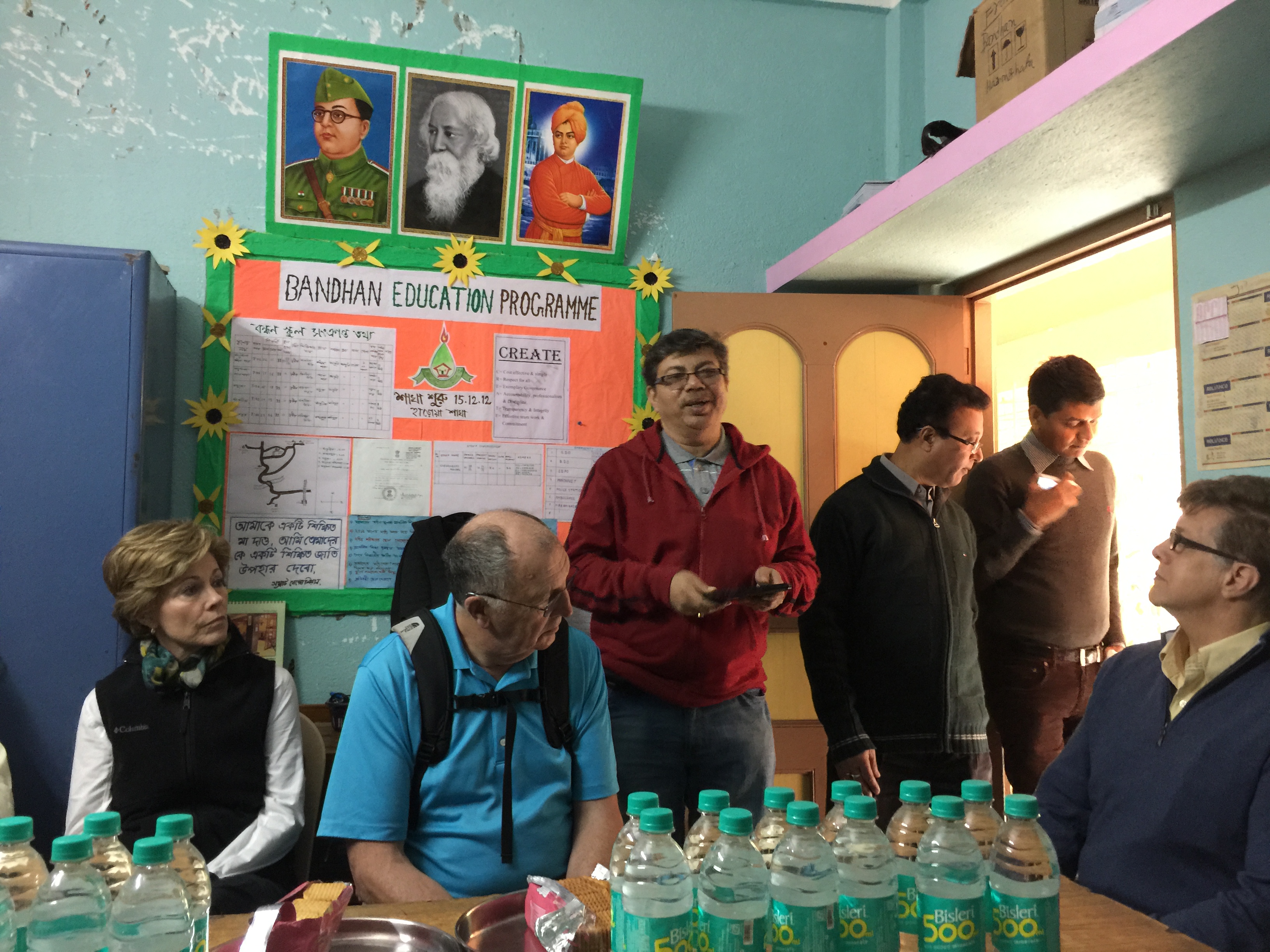
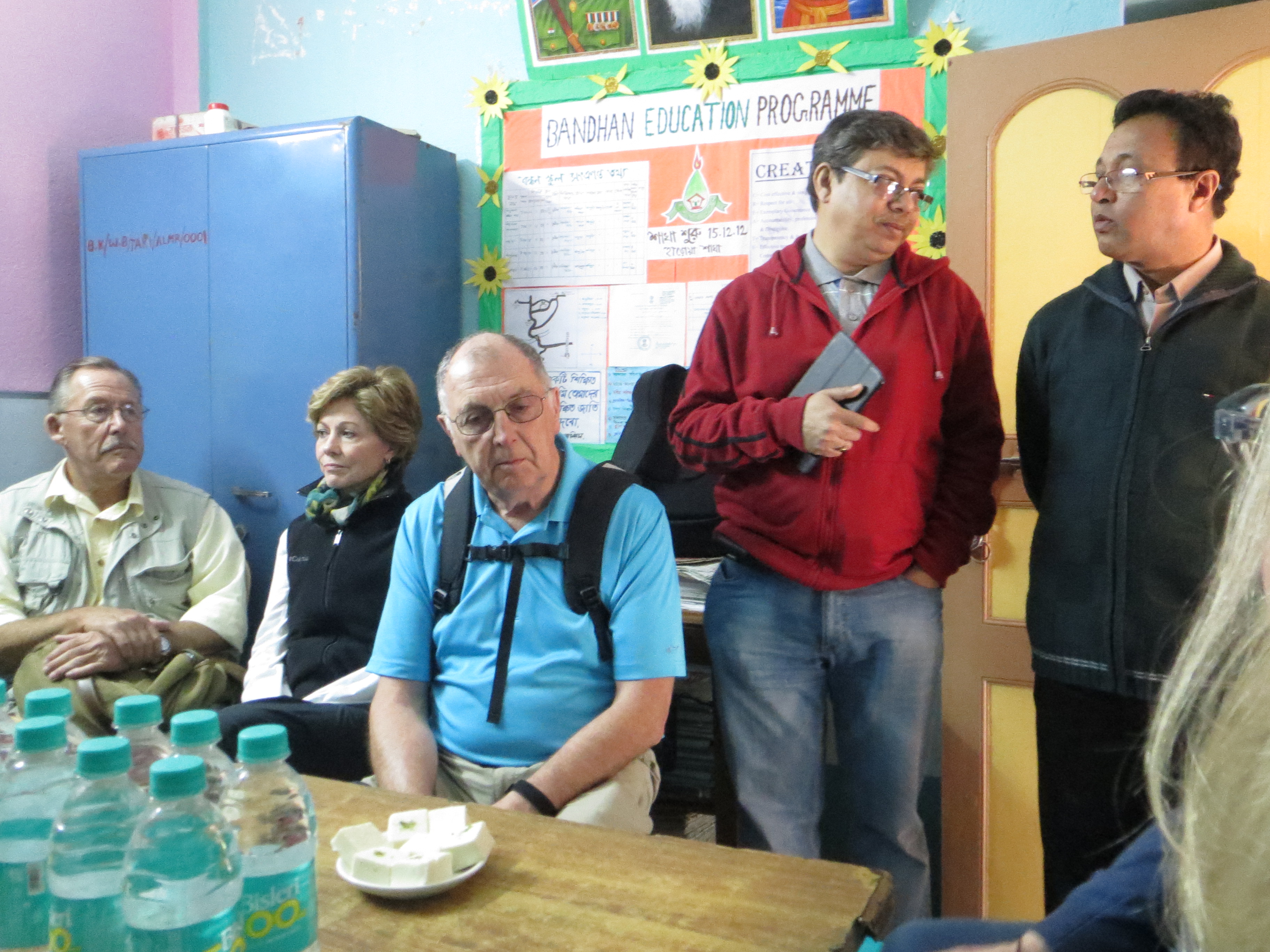
We visited Bandhan, a complex company/organization which is primarily a bank, newly licensed as a full service bank, which has grown over the last 14 years into one of the largest microfinance entities in the world.  The associated NGO we are here to visit operates their health program, MAHP (Microfinance and Health Protection), started with the support of Freedom from Hunger several years ago, and which Bandhan has grown considerably on its own thereafter.  I won’t try to describe MAHP here–please see https://www.freedomfromhunger.org/what-we-do.

IMG_1300

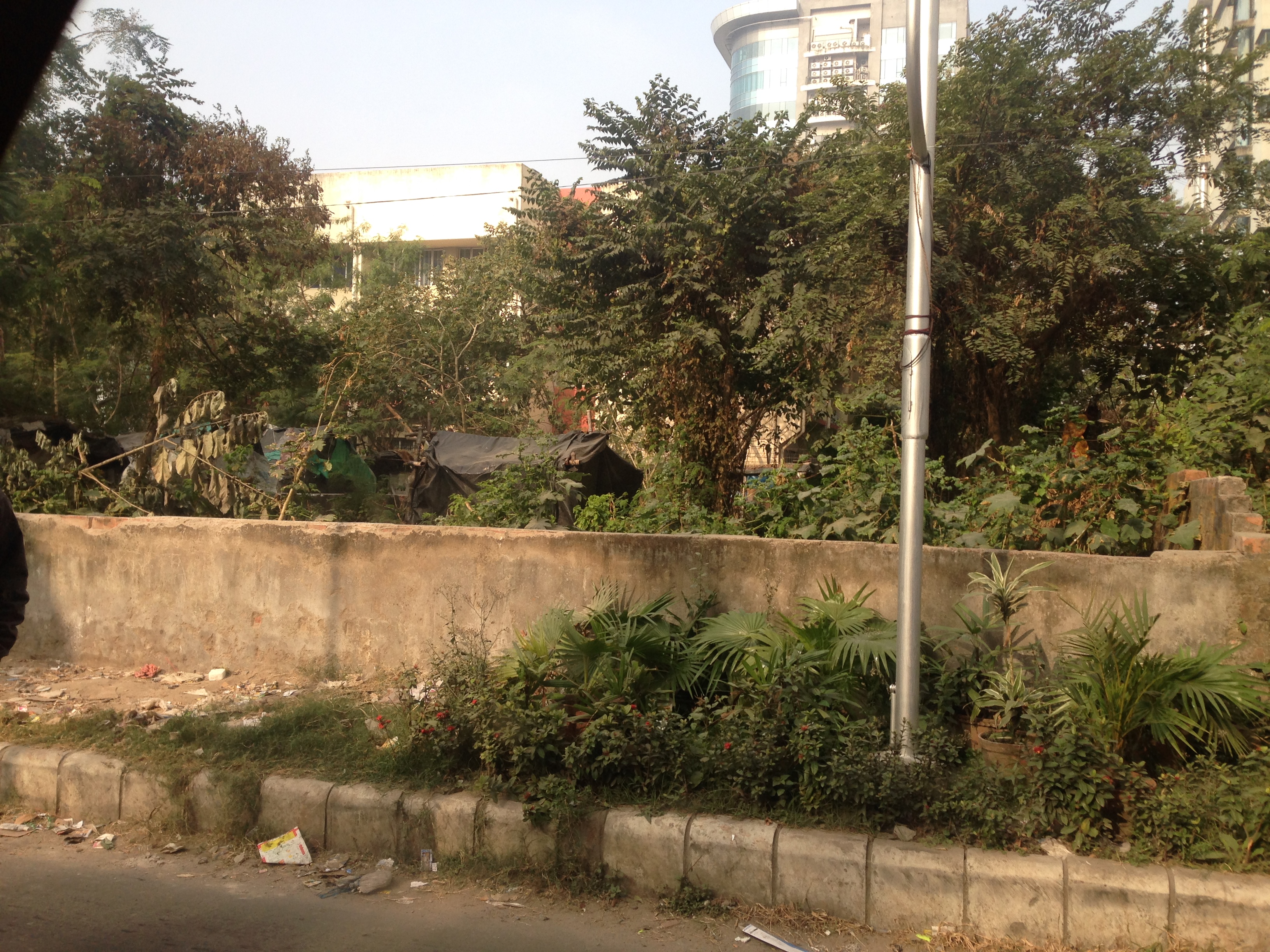
The Bandhan offices are in a modern building, but directly across the street is a small field with 3 or 4 tents.

The Bandhan offices are in a modern building, but directly across the street is a small field with 3 or 4 tents.

At the Bandhan offices we were privileged to meet with Mr. Ghosh, their founder, CEO, and continuing inspiration.  A very soft-spoken, elegant man, he told us about his journey to begin Bandhan and his vision going forward.  My description of this experience is easy:  Wow.
IMG_1082

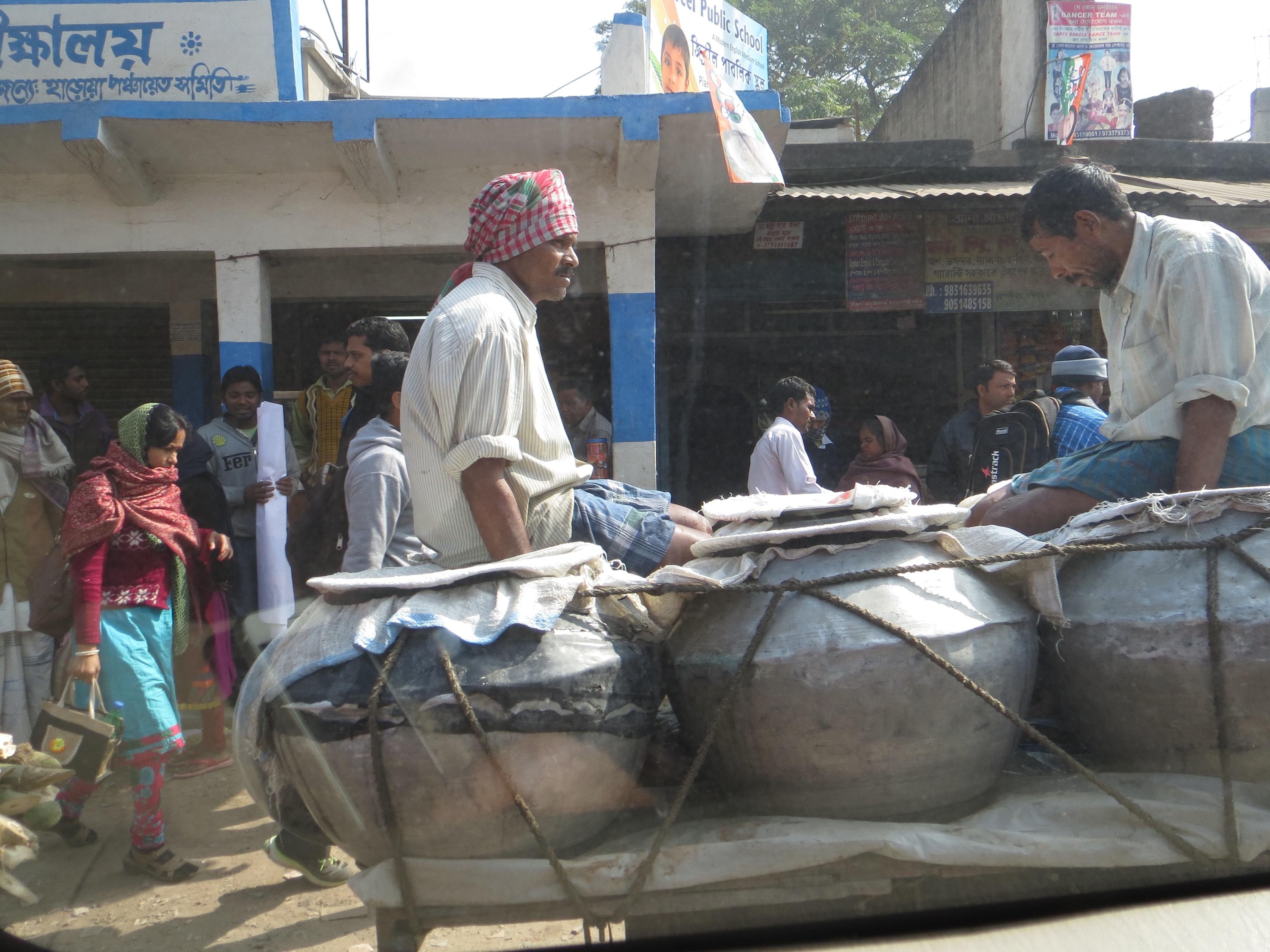
These large steel containers have live fish going to market. The man sitting in the back is swishing his hands in the water to keep it oxygenated and the fish alive.

IMG_1081

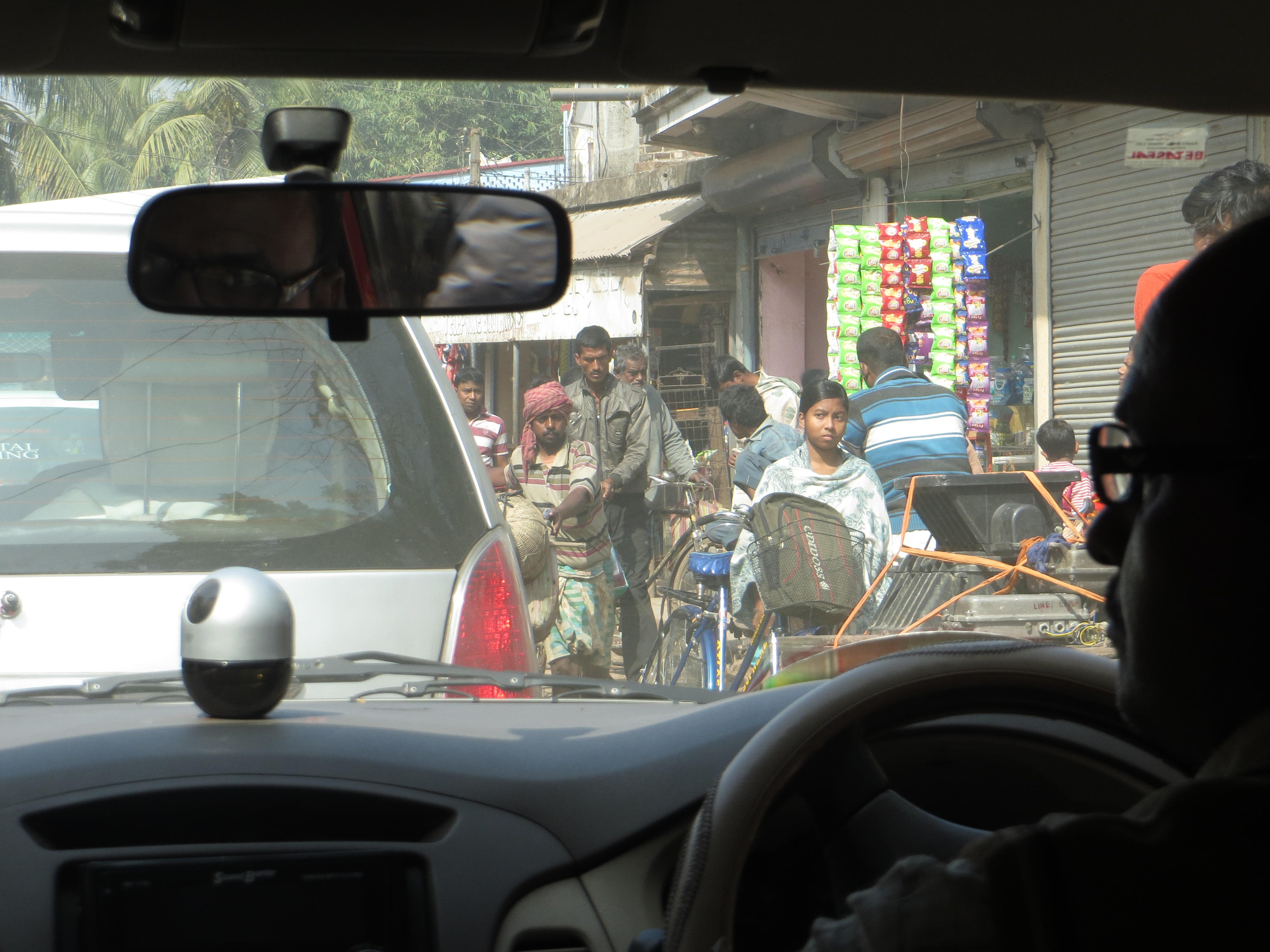
This gives only a hint of the crowd. We attracted some attention because we were in minivans, not the typical mode.

IMG_0524

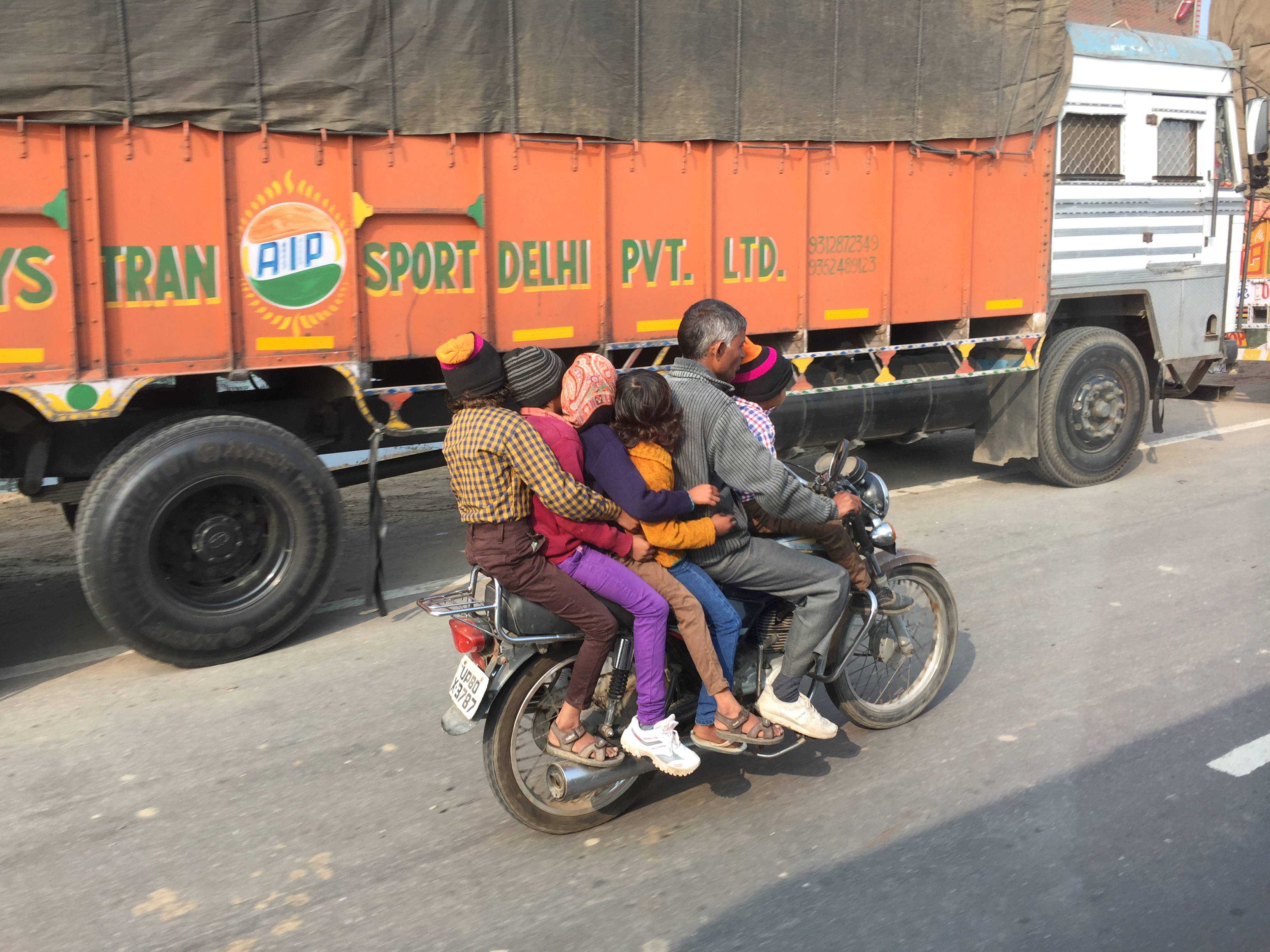
The next morning we trekked into the countryside to meet some of the people who deliver these services and some of the women who benefit.  We split into 4 minivans, accompanied by Bandhan folks, and sped out of Kolkata into village life.  What a ride.  Horns honking constantly (our driver favored a 5-honk sequence which he employed unceasingly and to no apparent effect), racing down a rutted, narrow, 1 and 1/2 lane road at its widest, through bustling crowds of walkers, bicycles (many), and the assorted 3-wheelers both motorized and human powered, as well as the occasional full size bus and large truck. To survive as a non-Indian you must simply give yourself over to the experience and remember that no one wants to get hit, that they have an uncanny ability to swerve within inches of obstacles and each other without stopping, and that it seems most days, most of the time, it all works out.  Indeed, we had no disasters.

IMG_0520

Building materials everywhere.

IMG_0522

A rather plainly painted truck.

IMG_0530

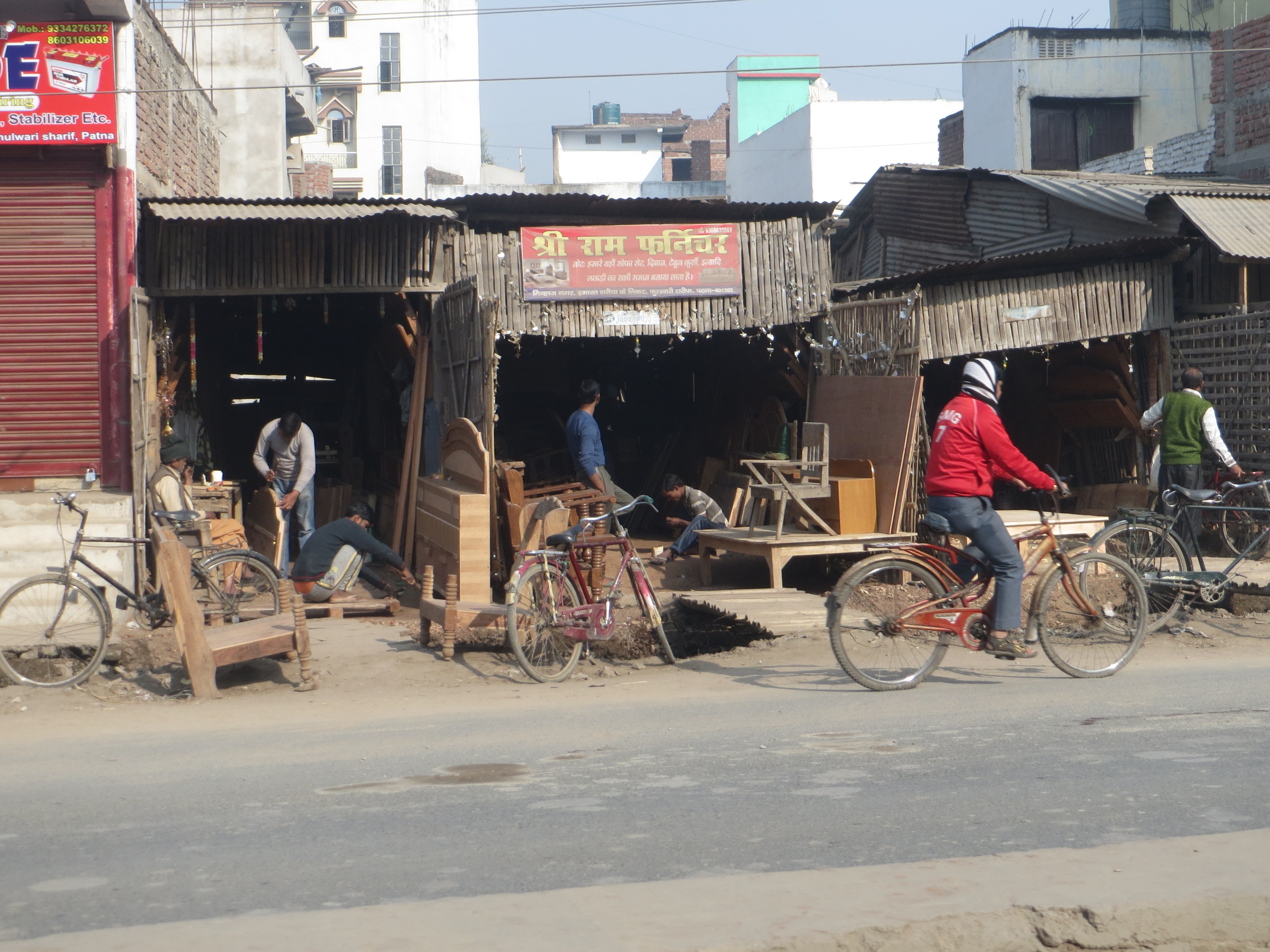
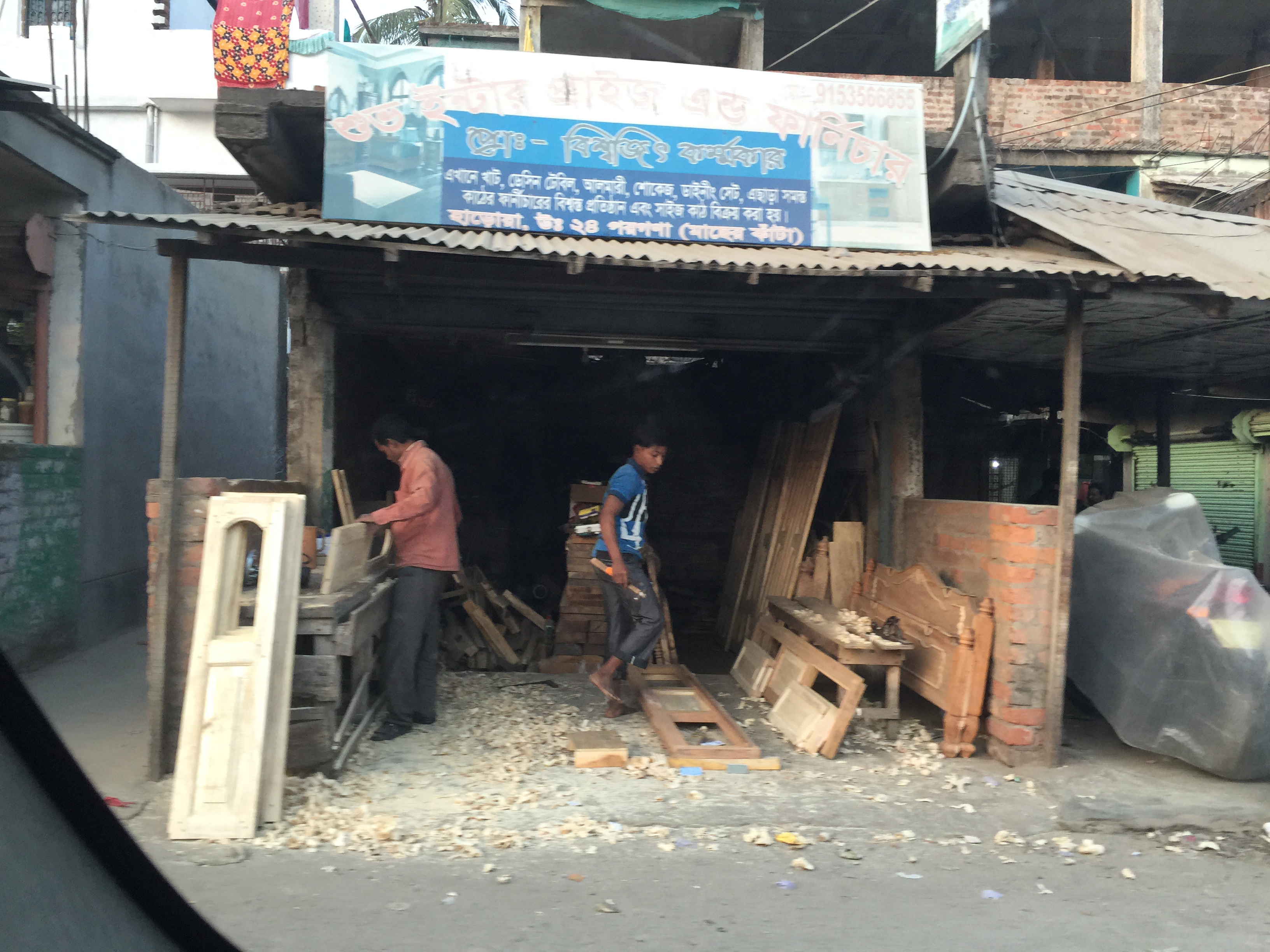
A furniture factory.  If you ever suspect the rough-hewn pieces you buy in the US are faked, you are wrong.

A furniture factory. If you ever suspect the rough-hewn pieces you buy in the US are faked, you are wrong.

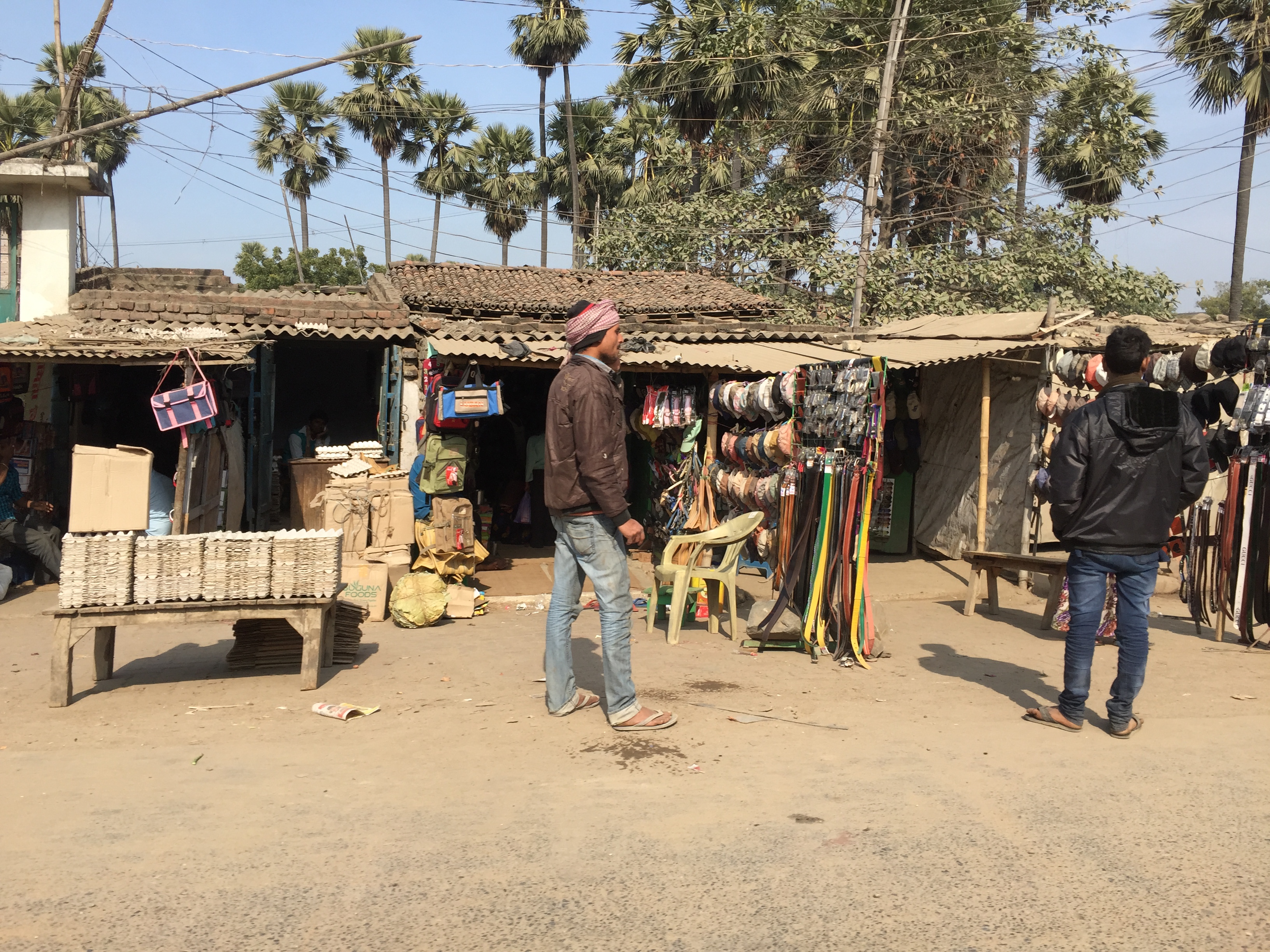
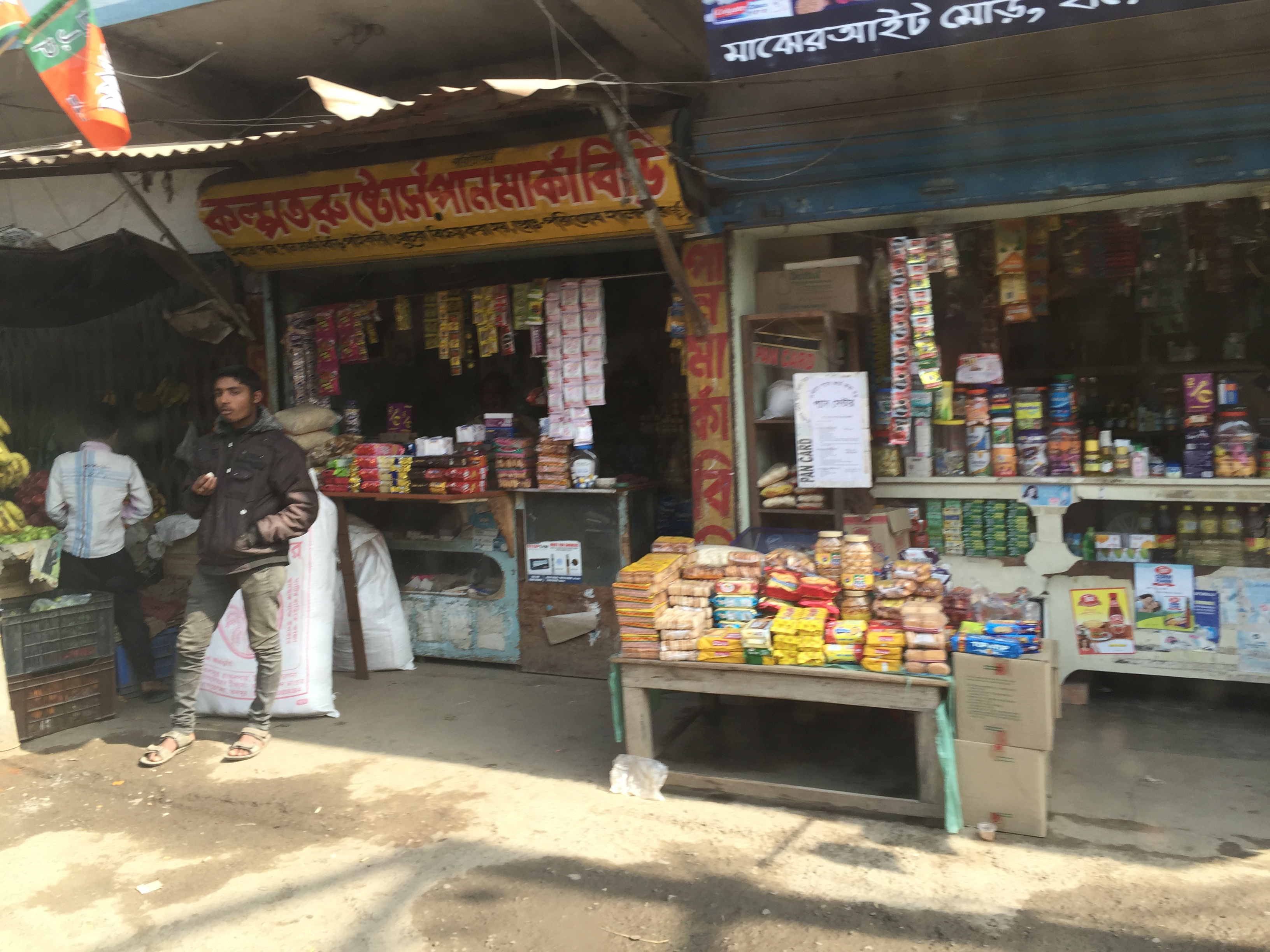
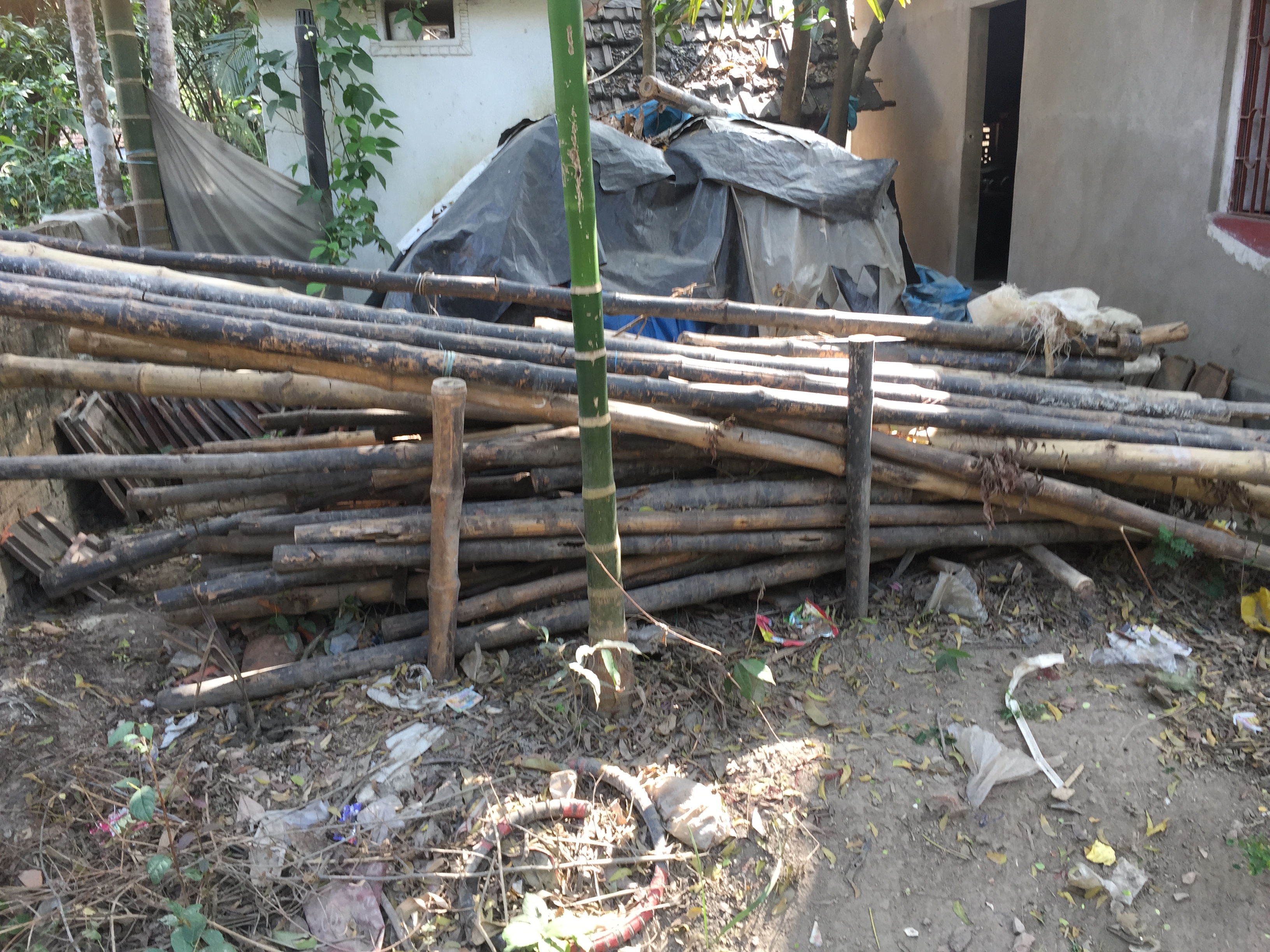
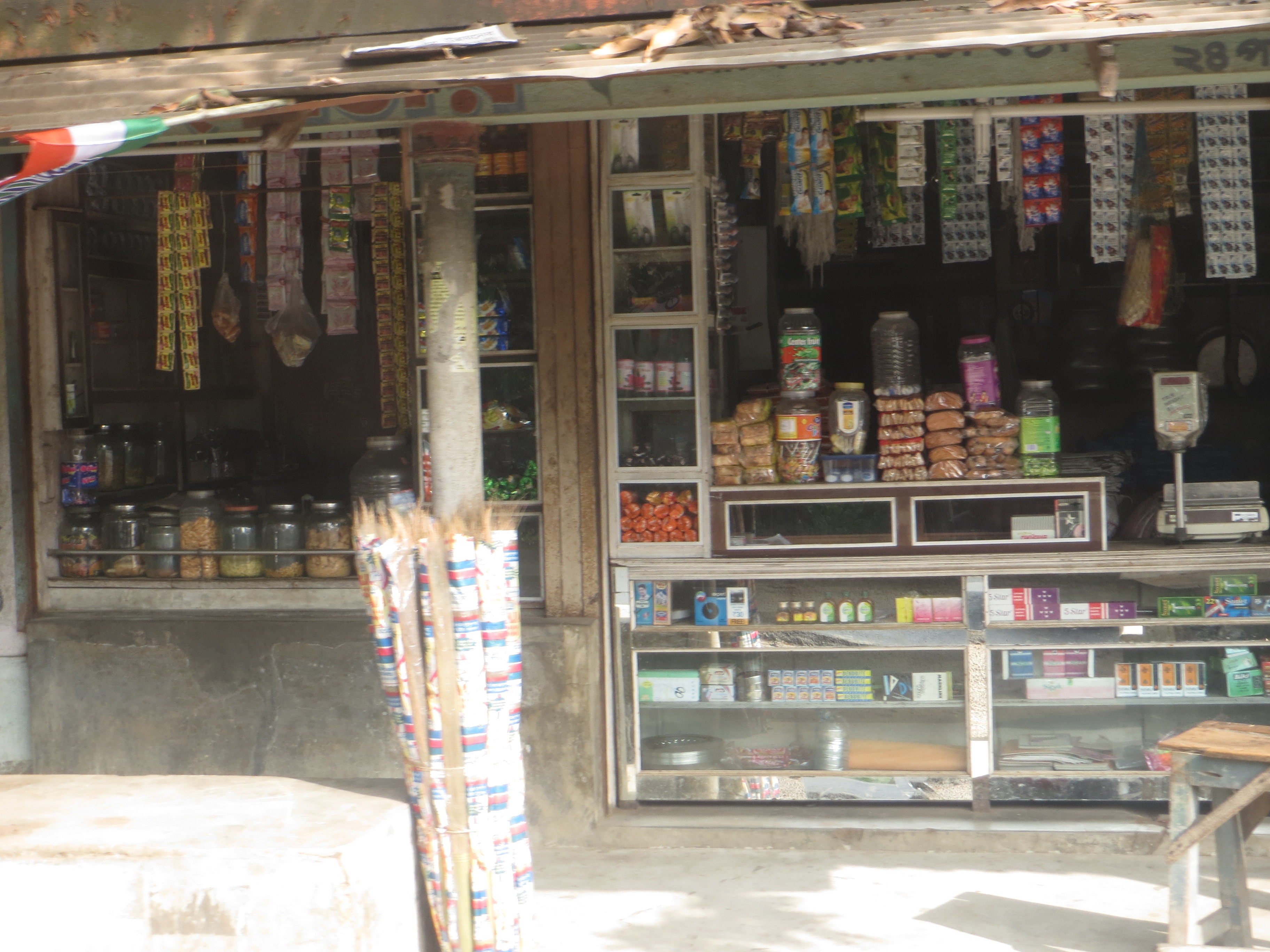
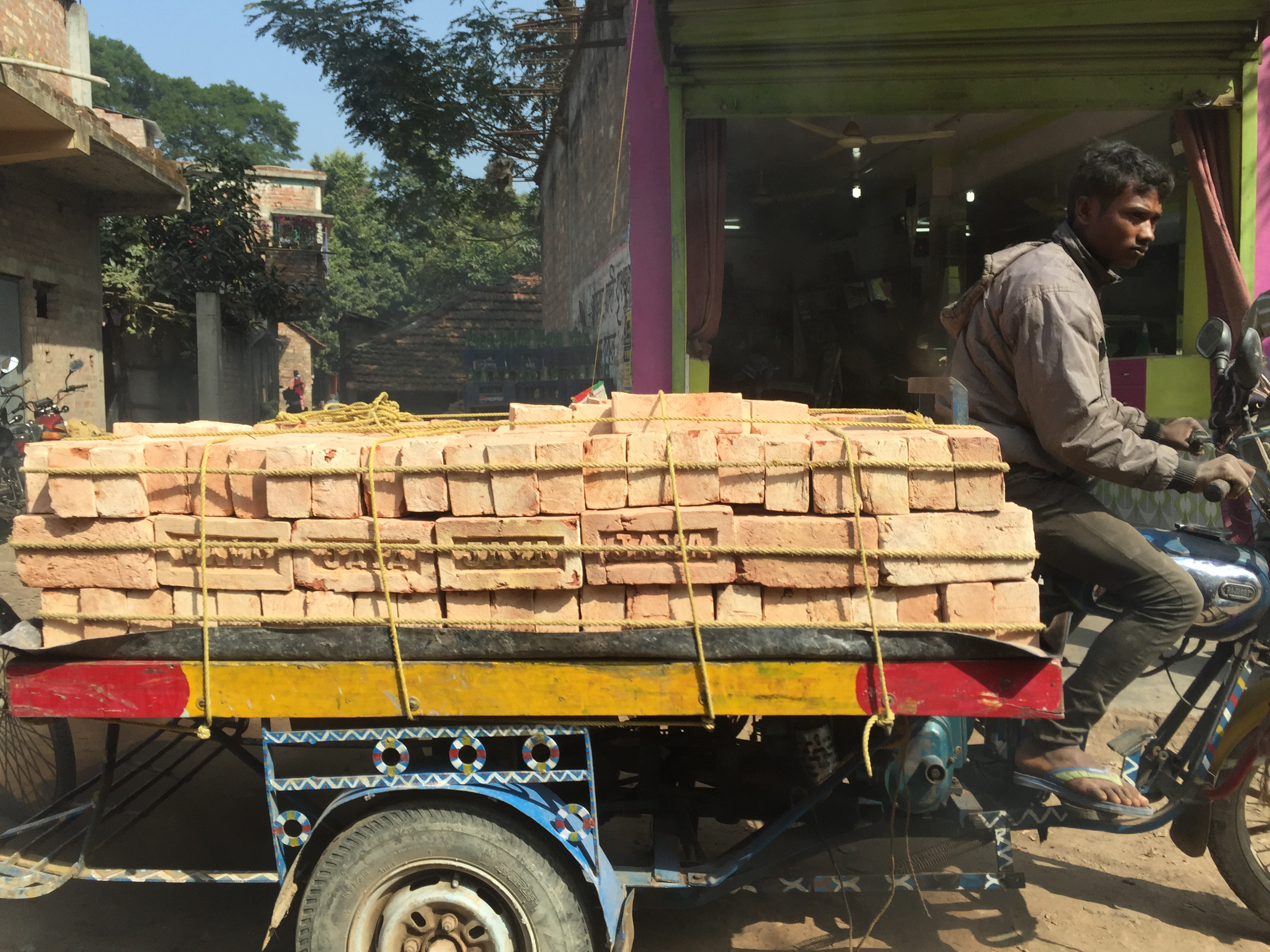
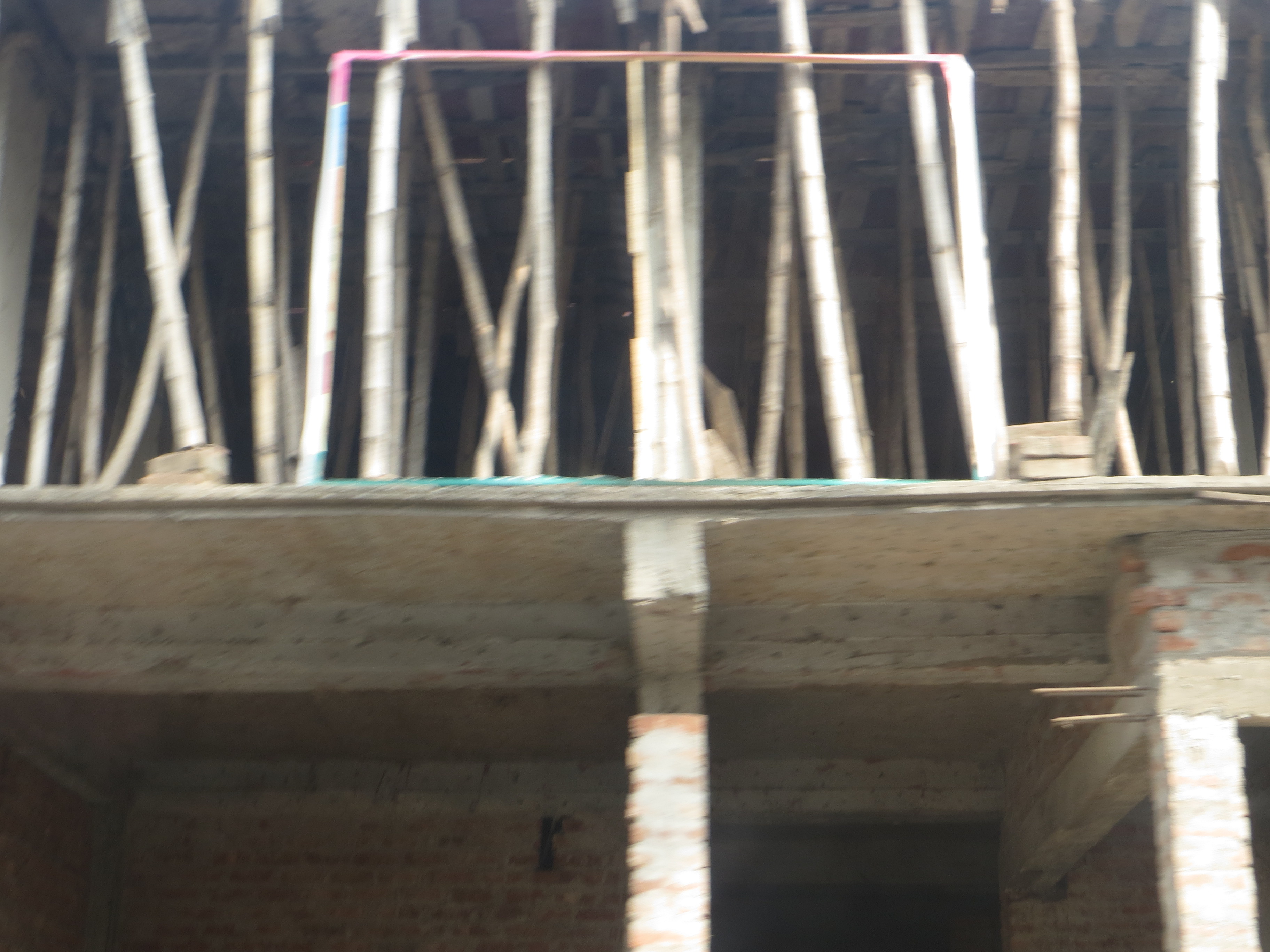
Along the road we not only saw the small shops and snack stands, but also tiny workshops where manufacturing was underway–wooden boats, wooden furniture, and metal bedstands.  As well, piles and piles of building materials.  Bricks (which they not only build with break up to form gravel–as there is no gravel naturally in this region), logs, lumber, bamboo.  Building is constant, and it seems the majority of houses and other buildings are unfinished.  Bamboo scaffolding very common, often with no discernible activity.

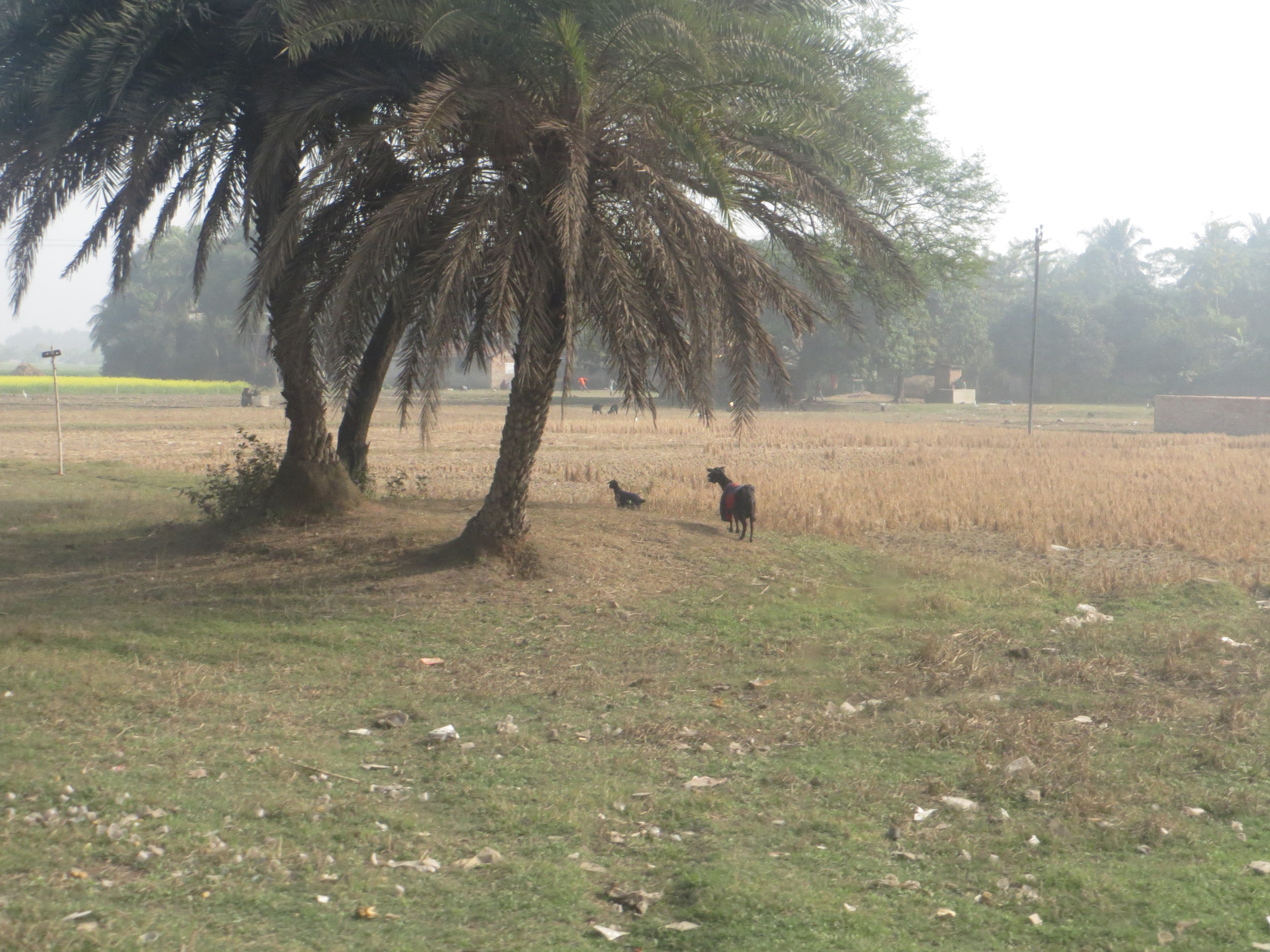
The countryside periodically opens up into broad fields–we finally saw where a lot of that cauliflower comes from–as well as large, shallow ponds used for shrimp and fish farming.  We saw many cauliflower trucks being loaded, 5, 6, 10 rows high, with men on the top catching cauliflower flung up from the side of the road.  In between the fields and ponds were children playing, including two boys playing badminton, dogs, cows, goats–as in the city.  The road is in rather horrific condition, at times so bad the cars actually slow down (!), and driving on the shoulder necessary to pass in many places.

IMG_1061

Bamboo and rough lumber supporting a building-in-progress.

IMG_1063

Periodically the road opens up into broad fields with livestock and cultivated fields.

IMG_1317

IMG_1068

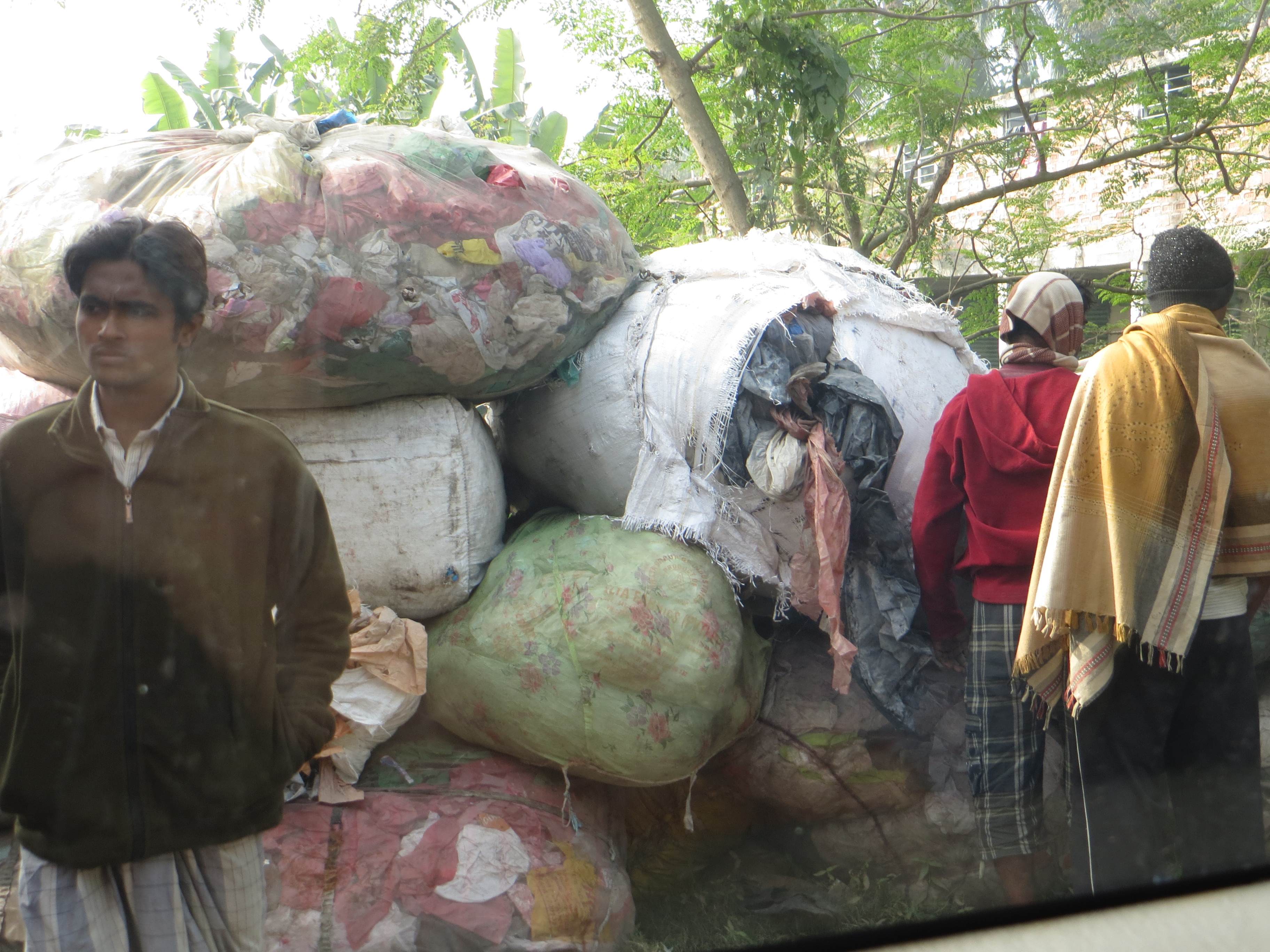
The scourge of garbage–plastic bags and cans. What at first looked like it might have been the result of a tipped truck was just a block of sorted and bagged recyclables (we hoped).

IMG_0497

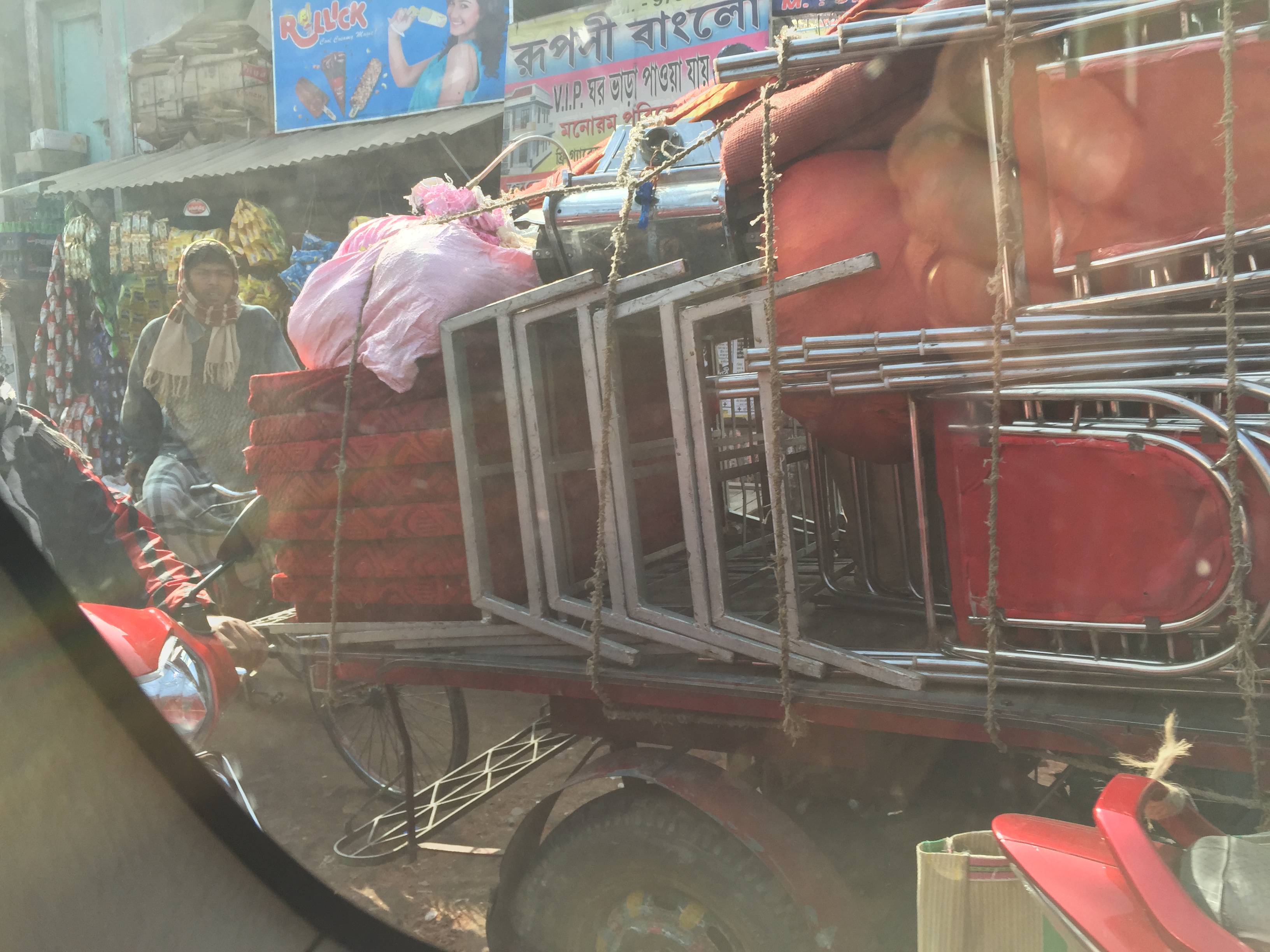
Not uncommong–bicycle-powered cart piled with chairs.

IMG_0508

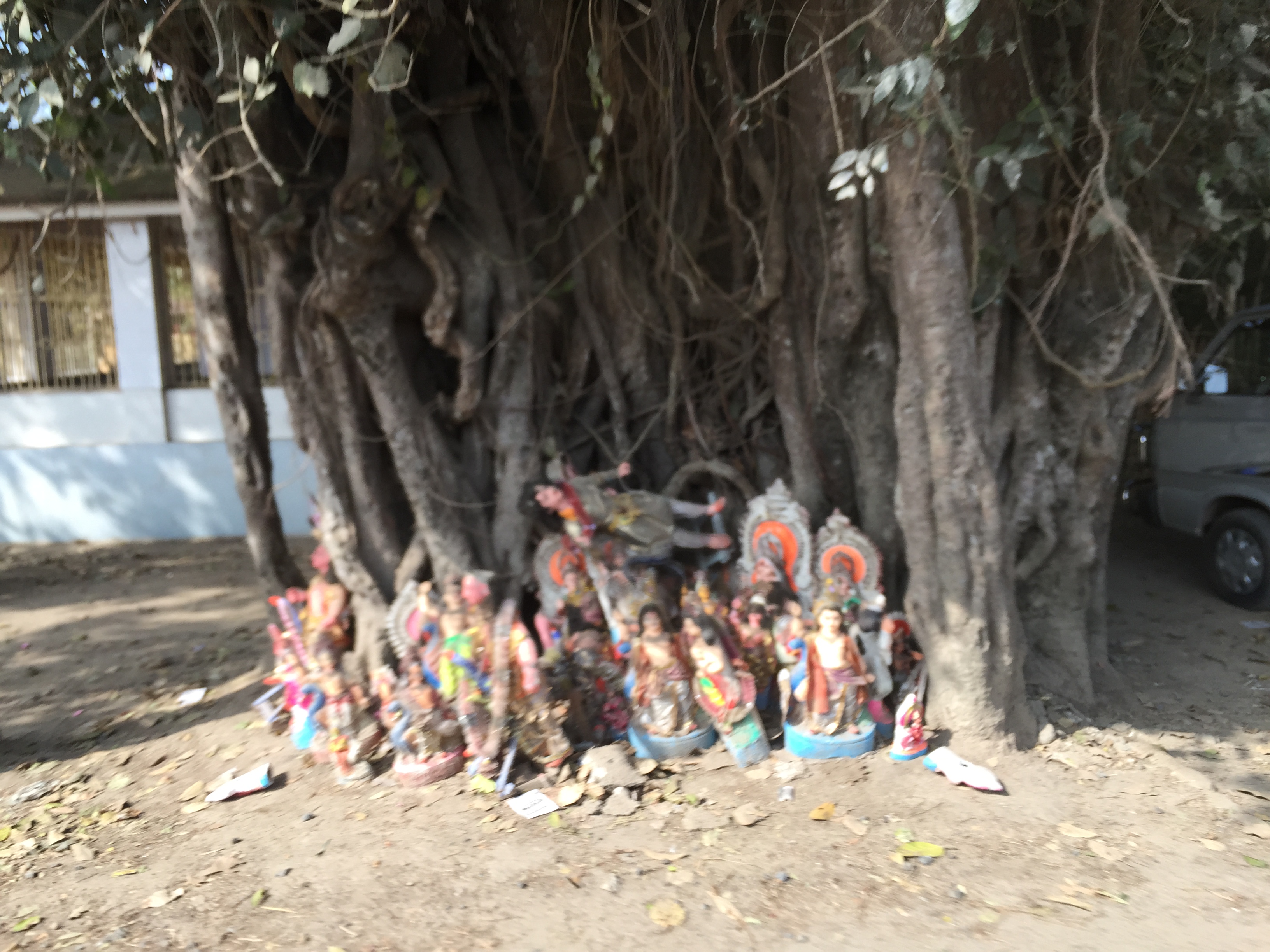
Plaster images of gods for sale.

IMG_0539IMG_1067IMG_1064IMG_0512

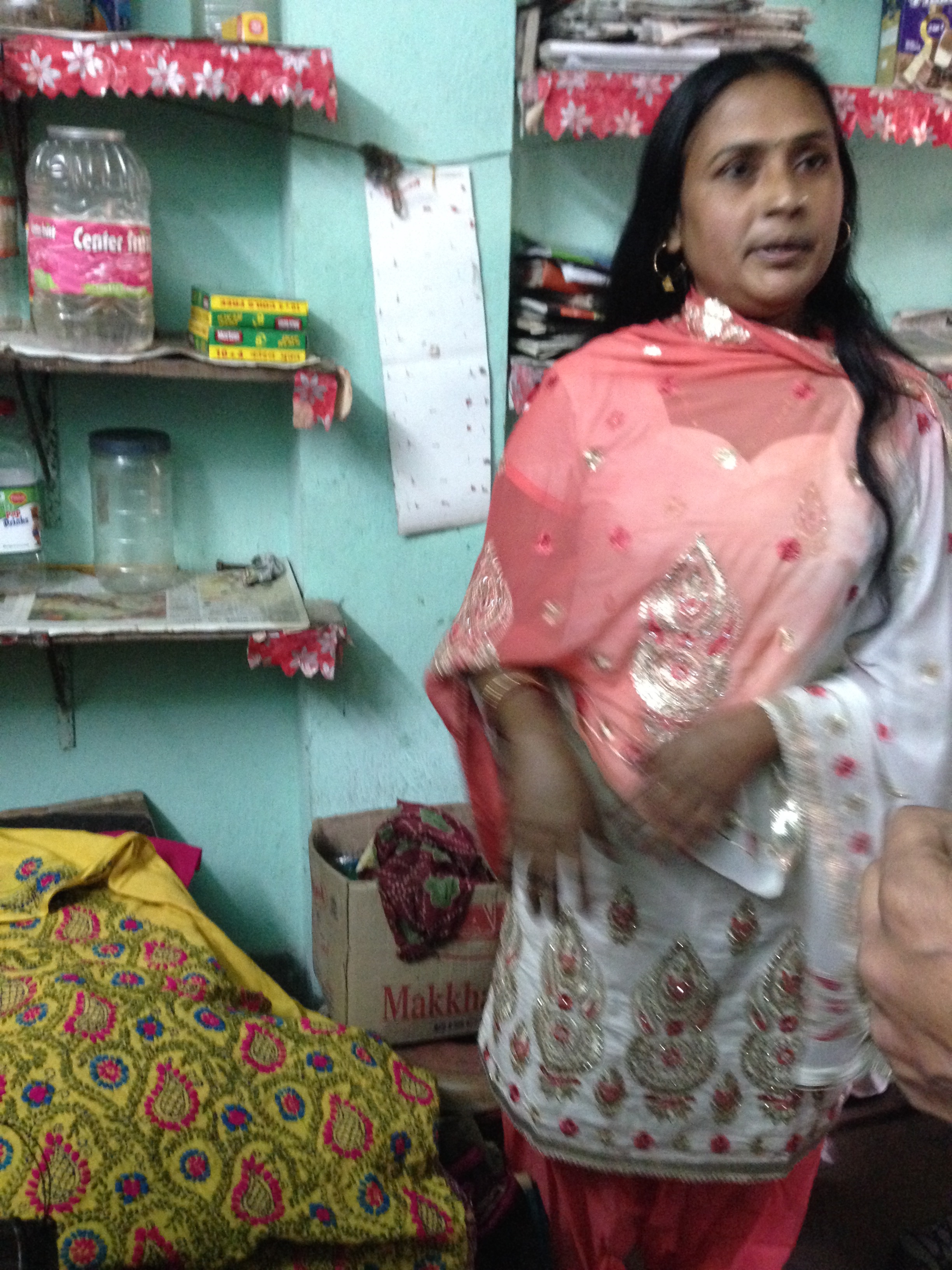
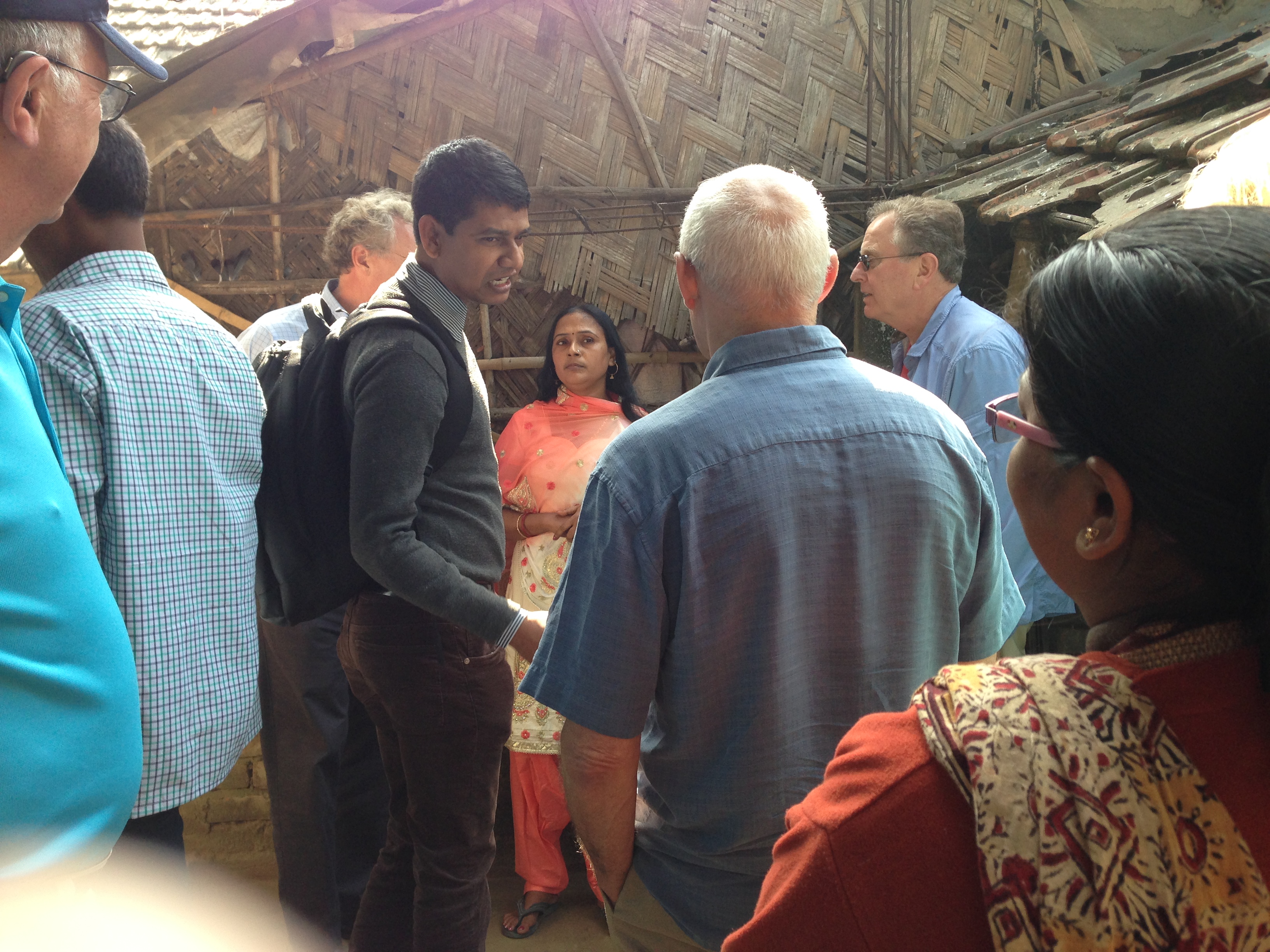
We finally stopped at a village, the name of which I have been unable to discover.  Here we had three encounters–we visited a home with a community health worker and her client, a 21-year old woman who is about to have her second child; a micro-credit group who showed us how they manage accounts and talked about their businesses; and a visit to one of these businesses, a home-based and thriving enterprise where the woman entrepreneur and her husband distribute printed fabric to be hand embroidered by women in their homes, and sell the finished products in turn.

Sitting on the veranda talking with the community health worker, client and some of her family.

Sitting on the veranda talking with the community health worker, client and some of her family.

Client and her 3 year old son.

Client and her 3 year old son.

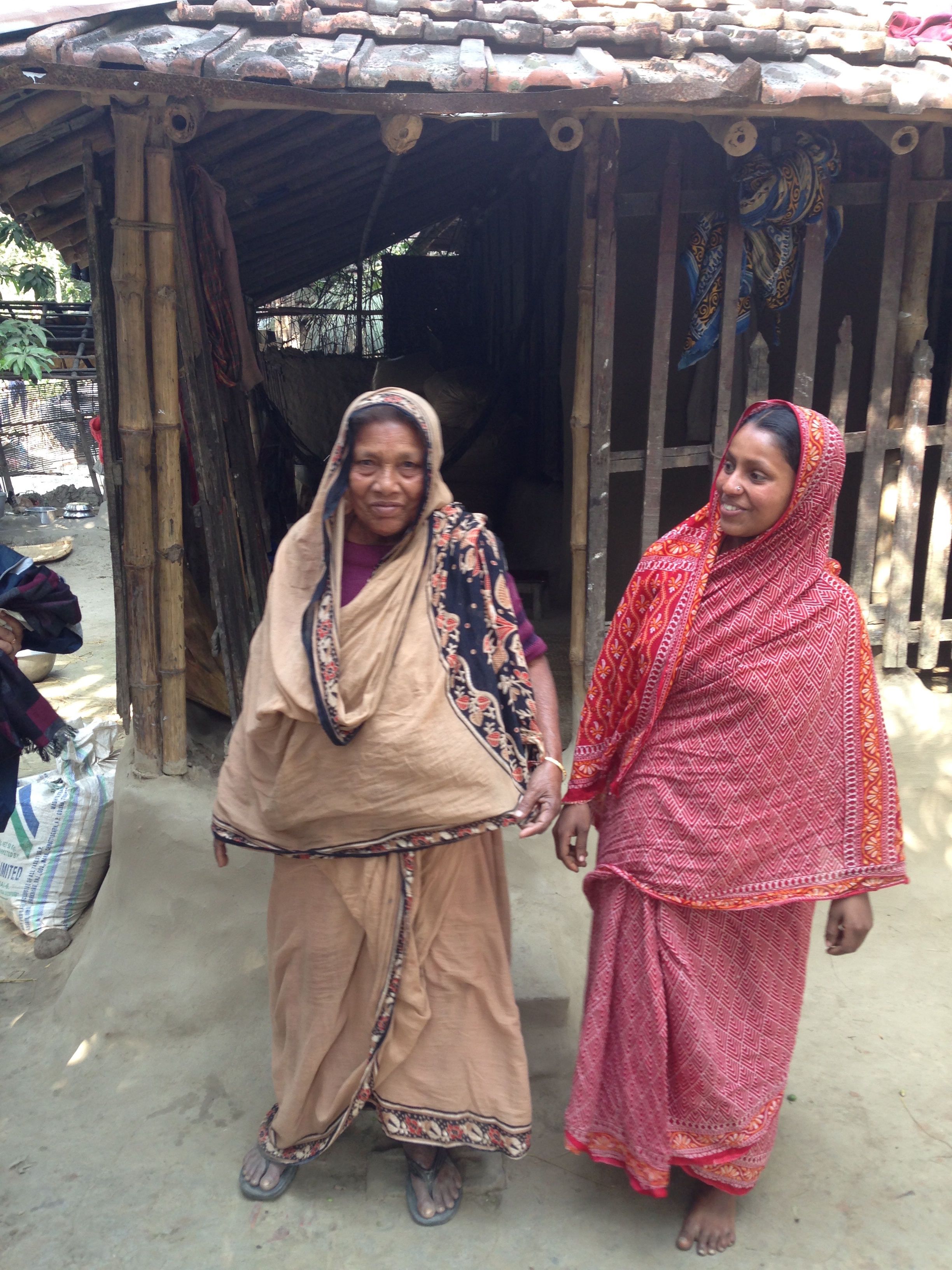
Client and, I believe, mother-in-law after our meeting.

Client and, I believe, mother-in-law after our meeting.

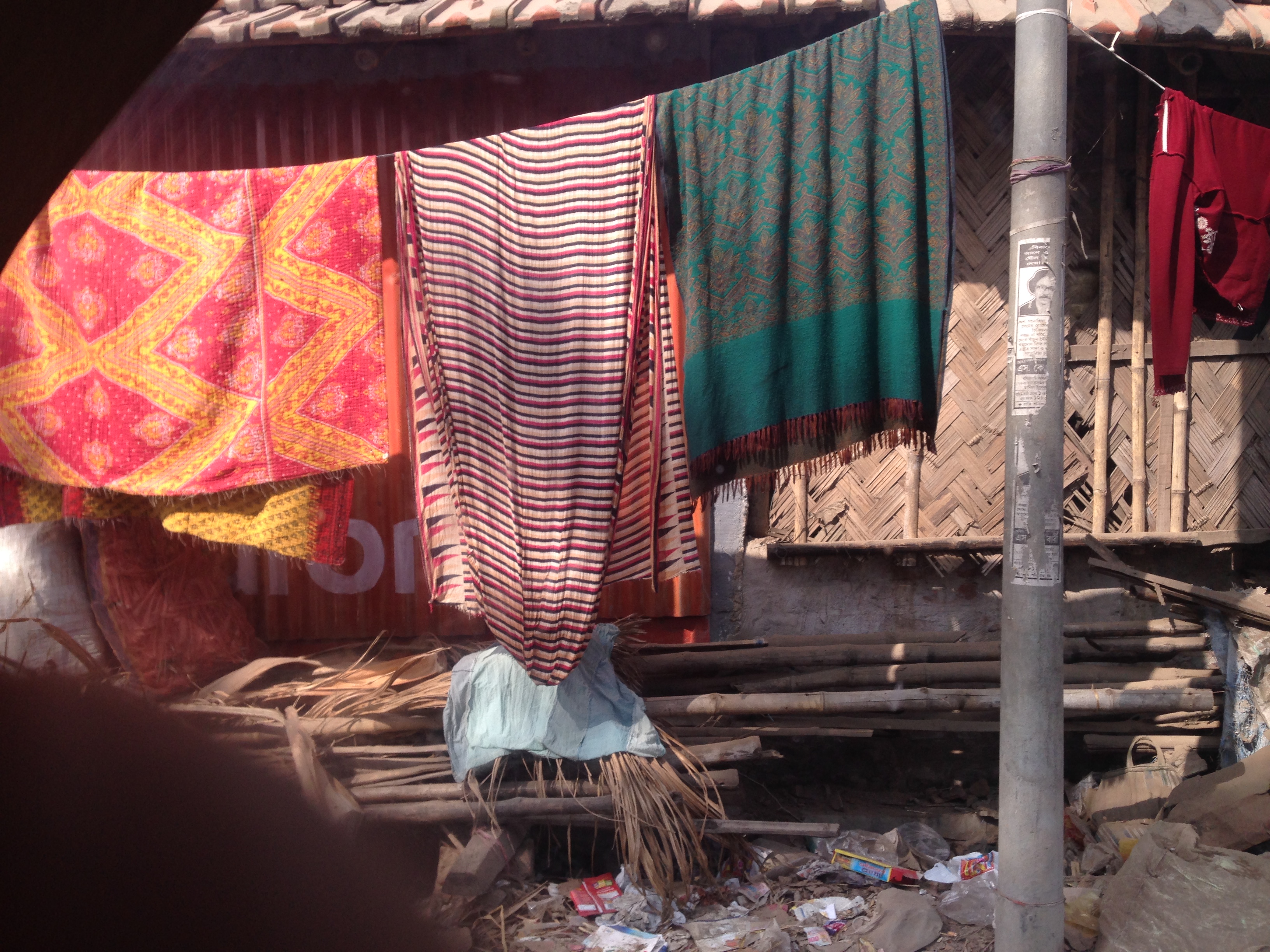
The visit to the pregnant woman was in her home, where we sat on woven mats in a sort of veranda around the core house, where 7 people live.  The “veranda” is bordered by a rough wooden fence on which they had hung a lot of clothing to dry.  As the meeting proceeded a larger and larger crowd gathered outside, men, women, children, babies, and so they could see better they began removing articles of clothing and flinging them up on the roof.  We were a major entertainment. You can see them in the picture above on the right.

IMG_1309

Entourage!

IMG_1316

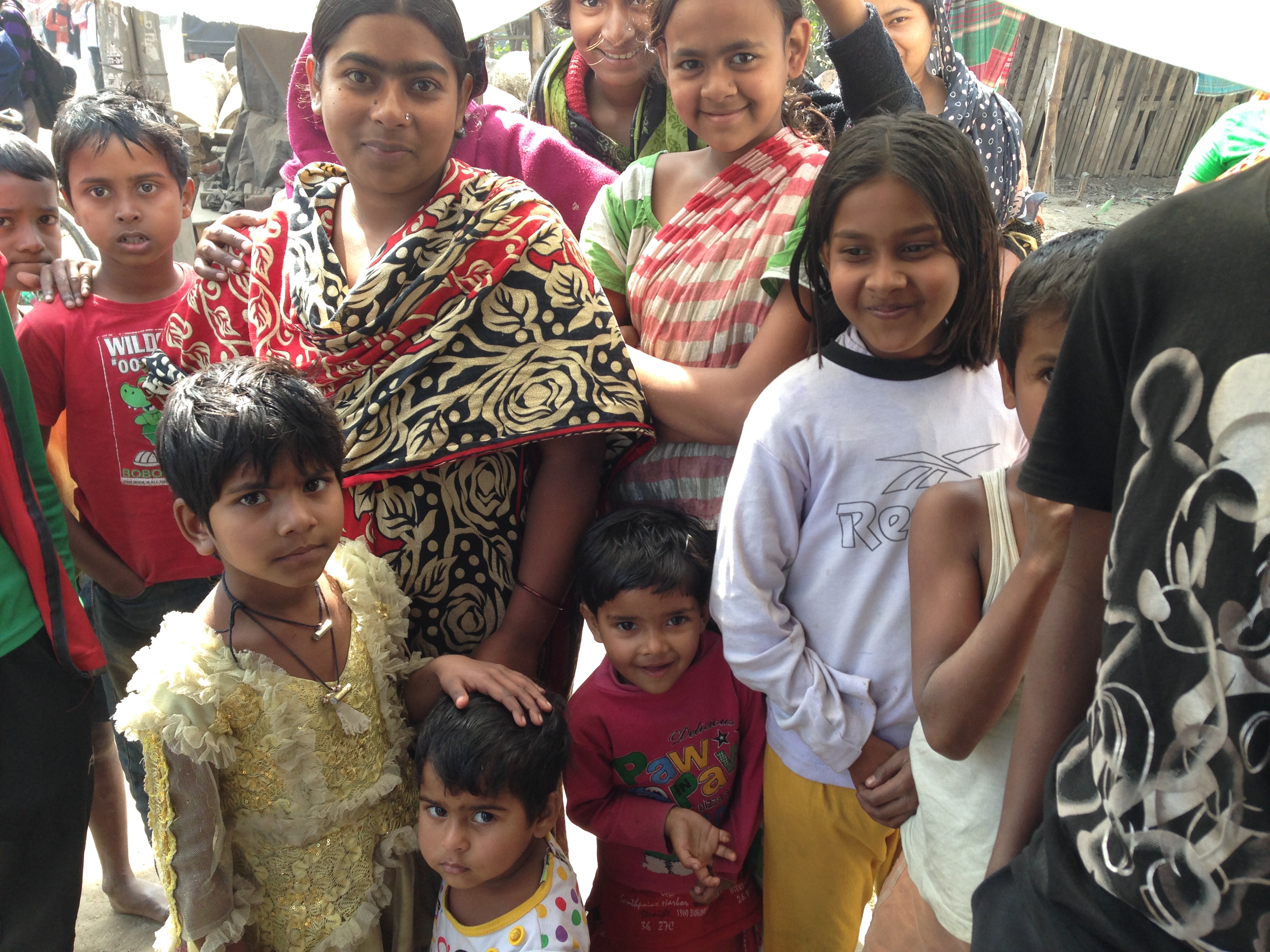
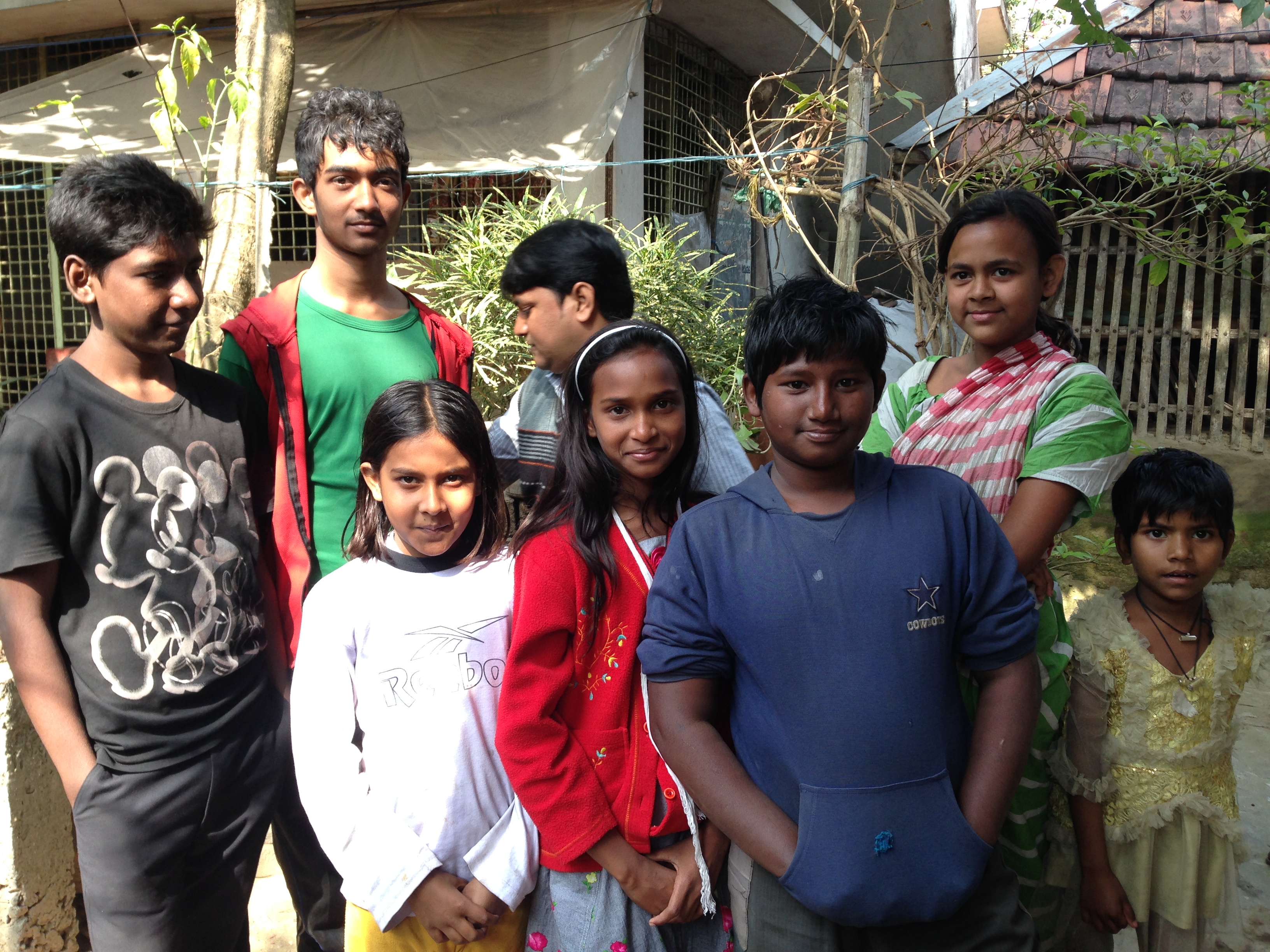
Everywhere we went we accumulated an entourage of children, who were delighted to walk and talk with us, have their pictures taken (and took ours on their mobile phones).  One young man, who had learned some English in school, engaged me in a serious conversation of sorts–he is 12 years old, he has two brothers, has learned English in school.  One of the kids gave me a candy–“Tip-Tap”–a hard and rather spicy, sweet-sour treat, and they loved that I ate it and another child quickly reached into her pocket and gave me another.  Steve ate one and mimed being struck in the heart, staggering and making faces, which everyone found hilarious.

IMG_1306 IMG_1307

Probably the most inspiring moments were when we visited the credit group.  They were thrilled to see us, and told us a lot about their businesses–fish farming, a beetlenut stand, others.  At the end of their meeting one woman stood up to say “We have seen white people on television, but now we have seen you in person!”  It was a joyful meeting, where clearly the women are closely bonded and grateful for the opportunity to borrow (many times over for some of them) to continue to expand their businesses.

After the meeting we walked deeper into the neighborhood to visit a woman’s fabric business which she operates out of her home.  She has been in business for 14 years, using microcredit loans for the last 9.  She manages the manufacturing–distributing printed fabric to women who hand embroider it, keeping the books, etc.,–and her husband delivers the finished goods to their vendors.

IMG_1314

A very poised (and beautifully dressed, perhaps for this occasion) businesswoman explaining what she does and how her business has grown.

IMG_1311

Walking back through the village to visit the home-based fabric businesswoman and her family.

IMG_1315

Our FFH guide, Alok, translating for us.

IMG_0540

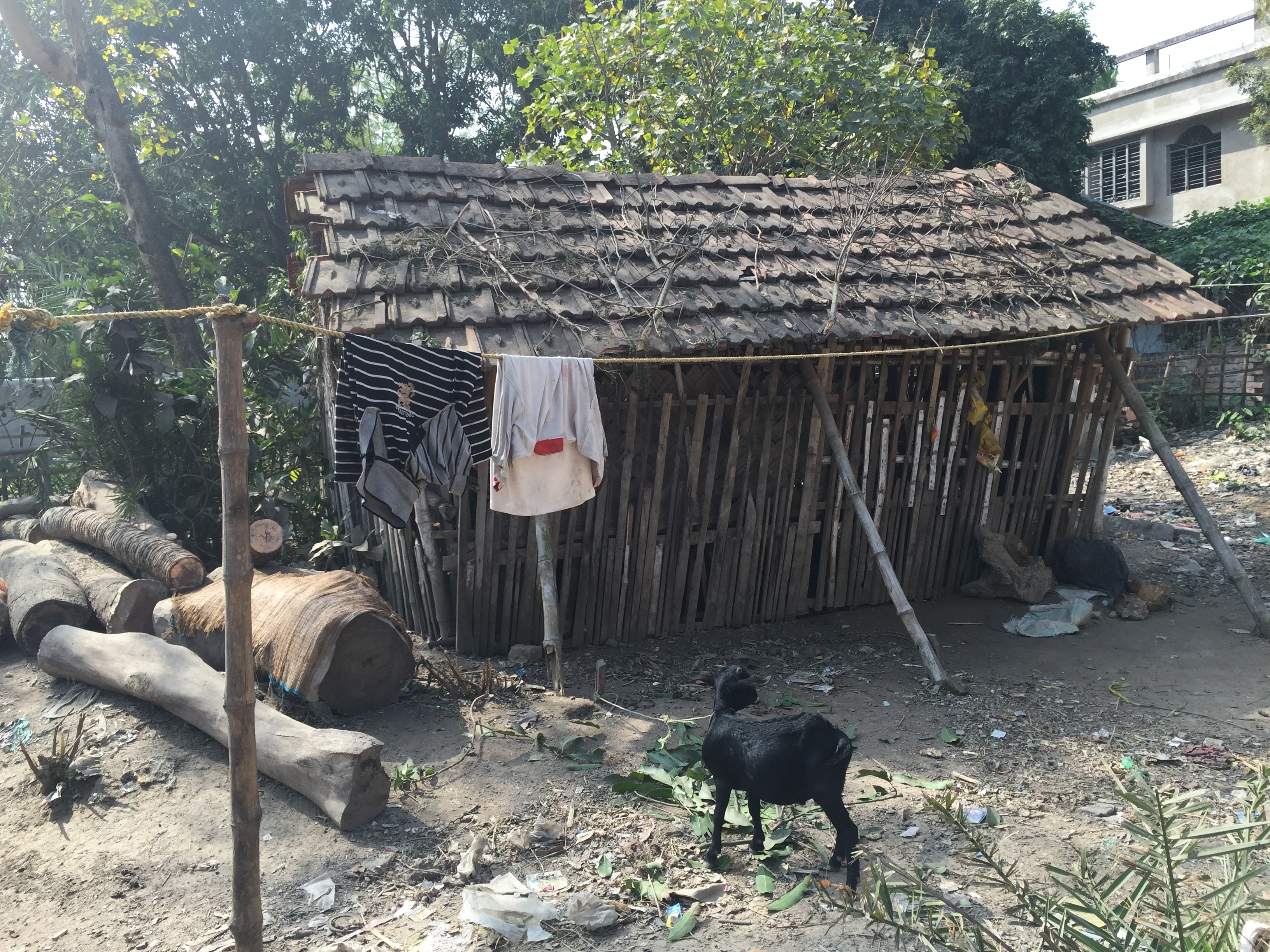
Because the area is seasonally very wet, in many parts of the village the walkways are somewhat raised, bricked in herringbone patterns, and in a kind of grid (in that there are a lot of 90 degree turns) circumventing stagnant pools, most of which dry up each year, to fill again in the rainy season.  Houses range from wooden frames with burlap or other material as walls, to 2 story plastered brick painted in bright colors.  Mostly the former.

IMG_0518

Bandhan local office where Soumitra, our FFH guide, explained the local program.

IMG_1080 IMG_1078 IMG_1077

We met and ate our packed lunches at the Bandhan office.  They could not have been more hospitable and welcoming.  We were happy to see FFH education and technical support continue to have an impact.  As one of our trustees, an economist said afterward, “The evaluation studies and statistics are all very nice, but being here all I can say is ‘this stuff works!””

We wrapped up the day at a monthly Health Forum, where we observed a lesson on diarrhea, an enormous, chronic problem due to lack of public and private hygiene, and about which we know much more than we did when we started (we have now attended multiple different sessions of training on the topic).  Personally, I slept in the van, as I came down with a horrible head cold–but David attended and took a few pictures.  Huge crowd, as you can see.  This was only partially because we were in town–this is a series of 22 monthly village-wide forums, using methodologies that FFH introduced, and which Bandhan has taken forward and expanded.

IMG_0549 IMG_0552

Details, details

I’ve been asked to add a bit more about the mechanics of the trip, so here goes:

We have been staying in ITC hotels.  Turns out ITC stands for Indian Tobacco Company, which has diversified by buying what had been Sheratons.  They remain Starwood, but the Sheraton name seems to be disappearing one by one.  In Kolkata we are at a Kenilworth Hotel.  Because these hotels cater to an international clientele they have amazing breakfast buffets.  Everything from lettuce salads, cold cuts, cheeses, Danish, porridge (delicious everywhere), omelets-to-order, baked beans, broiled tomatoes, one morning creamed mushrooms, even, yogurts and corn flakes and toast…plus a full array of Indian food, both northern (what we see primarily in the US) and southern.  Made-to-order dosas, exceedingly thin rice flour pancakes with filling and without, and typically with 3 or 4 chutneys–coconut, tomato, mint/coriander, and sometimes “railway” which is my favorite and not just because of the name.  Various other Indian dishes with potato, cauliflower (in season now, and two-wheeled horse carts heaped with cauliflower are common), and other vegetable mixtures.  Sharp-tasting soups.  Idli (rice cakes) and parathas.  Noodles with peas.  Rice, always.  Fresh and canned juices (so marked), with watermelon juice being quite common but also mango and orange.  Suffice to say we have ample choices and perhaps a bit surprising, the food is fantastic.  We start every day extremely well fed.

Food–dishes and restaurants–are either “veg” or “non-veg”, with non-veg meaning almost always chicken but also mutton/lamb.   Everything is labeled, and, for example, because croissants have an egg wash they are noted to be non-veg.  The McDonalds’ serve no hamburgers, but instead chicken and fish, as well as “Spicey Paneer!” sandwiches.  Paneer is everywhere.  Paneer tikka has turned out to be a theme of the trip–we have had it many times, and always a little different, always great.  Well, perhaps the paneer tikka on the plane wasn’t so great, but it was certainly edible.

Hotel rooms have mostly been very quiet with comfortable beds and well appointed, though the array of electrical arrangements is broad.  Fortunately David brought the right combinations of plugs so we’ve always been able to charge phones, etc.   Sitting in Kolkata, I will describe the set-up in this particular room:  A wall socket with various holes and switches, to which is attached one converter, to which is attached a second converter, to which is attached a Belkin charger + surge protector which has multiple US-style outlets as well as a couple of USB ports.  At the moment all are in use–the 2 phones, the computer, the battery charger for the camera.  Looks strange, but it functions.

Really, we have no complaints nor have we run into intractable service problems.  Now, if the drivers would only stop honking…!

The Silent Airport

Sunday turned out to be a very long travel day–our flight to Kolkata was several hours delayed and we arrived in Kolkata in the dark, too late for our dinner with the rest of the Freedom from Hunger gang.  The drive from the airport was a mad dash that lasted about 40 minutes, during which our drive was completely silent, the traffic, for an Indian city was light, and we could see very little.  Lots of construction of massive office buildings strewn along the way–and only one of note, a very large, very modern building standing more or less by itself with one large lighted sign across the bottom, “MOTHER’S WAX MUSEUM.”  No, I have no idea either.

Having spent many hours, now, in the Delhi airport I must praise one attribute:  it is a “silent airport.”  Other than gate changes, no flight announcements. Even at the gate, no announcement that boarding is about to start, has started, is proceeding, is close to finishing, the doors are about to close–not a word.  No TVs either.  It was lovely.  And, you know, when our flight time came near, people just started lining up, in whatever order they chose, and I would bet you the flight boarded more quickly–at the very least as quickly–as any American flight where there are queues and boarding groups and all of that.

While the streets here are a cacophony, the airports are blessedly quiet.

White on white

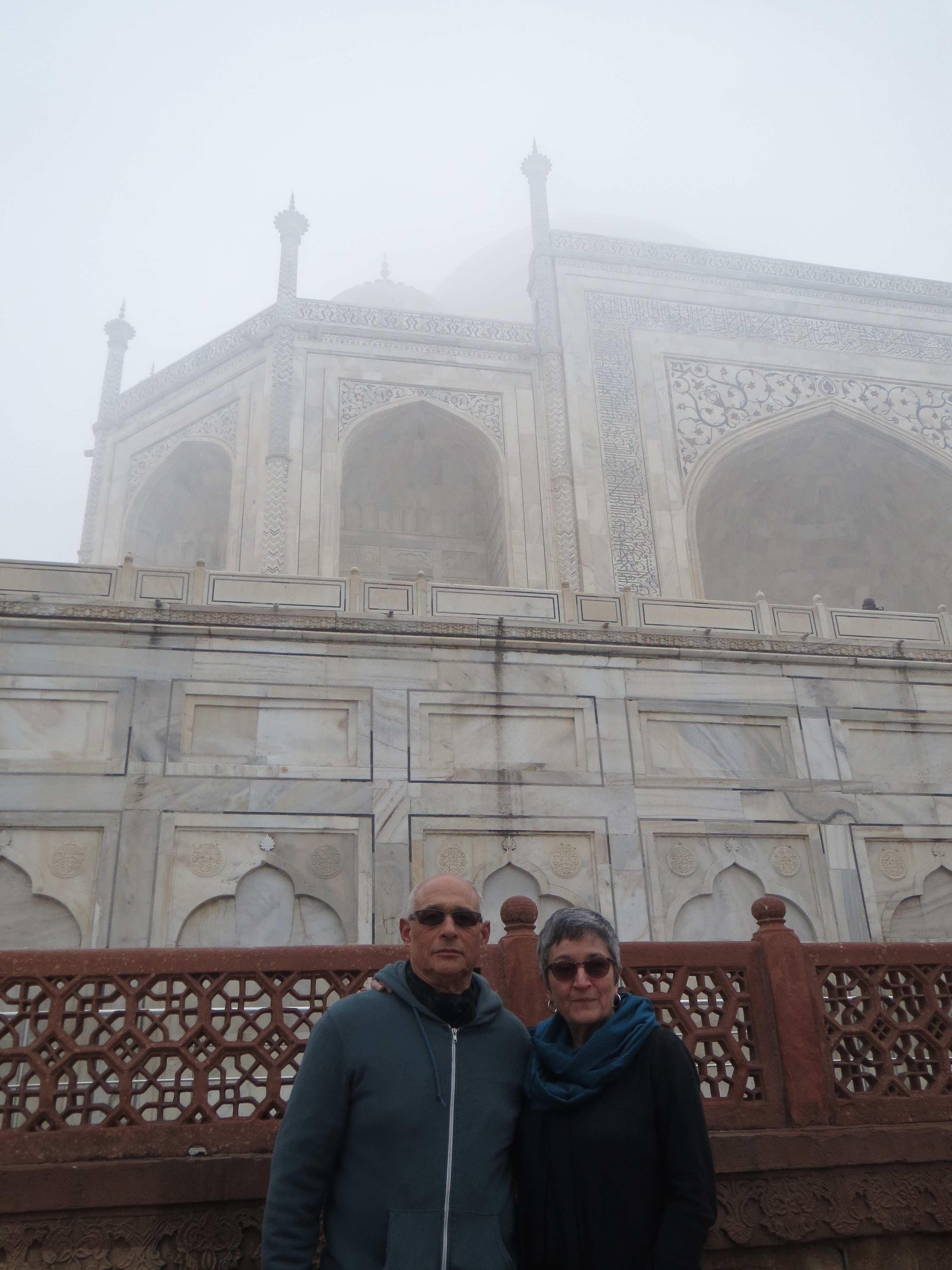
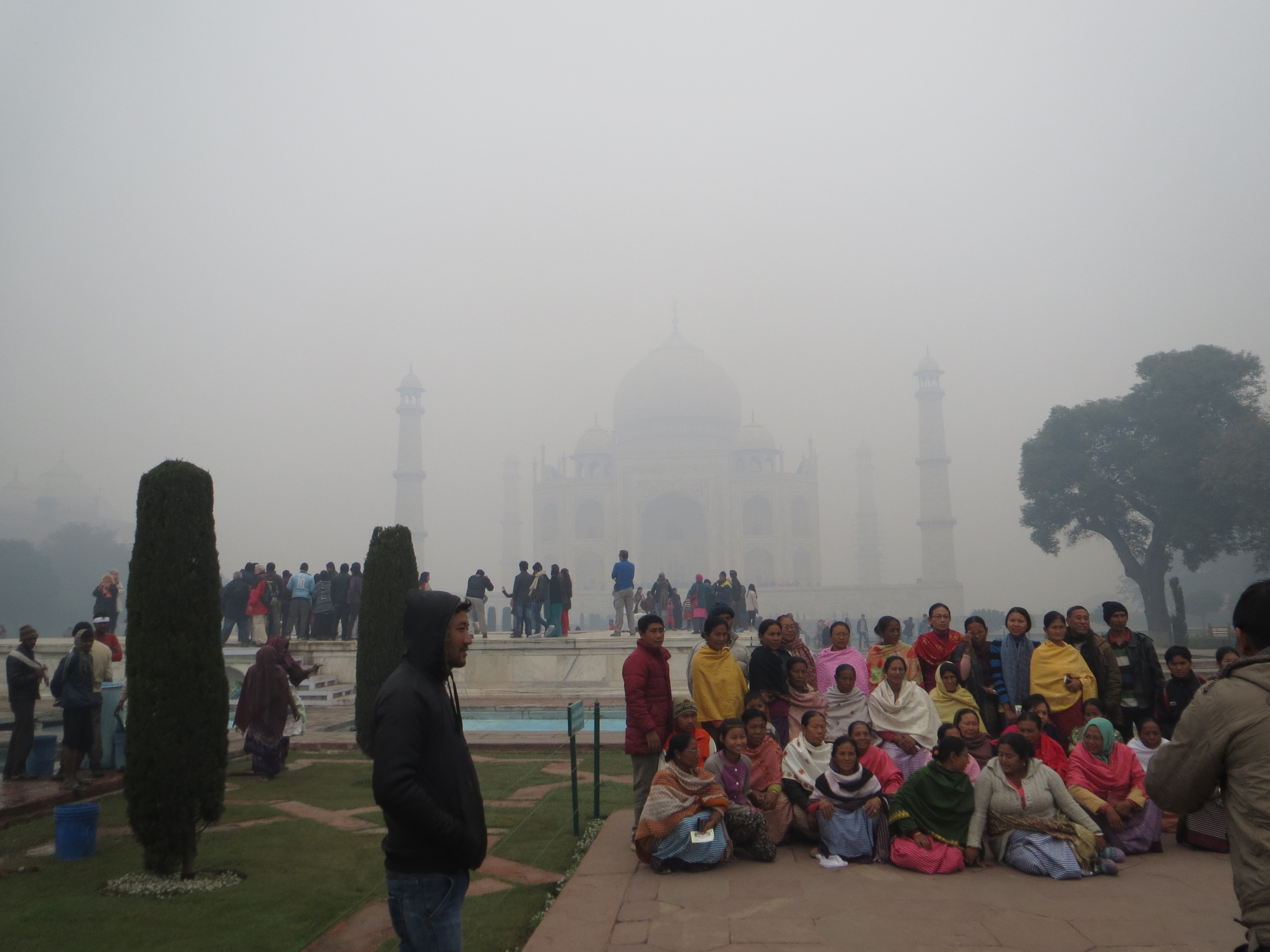
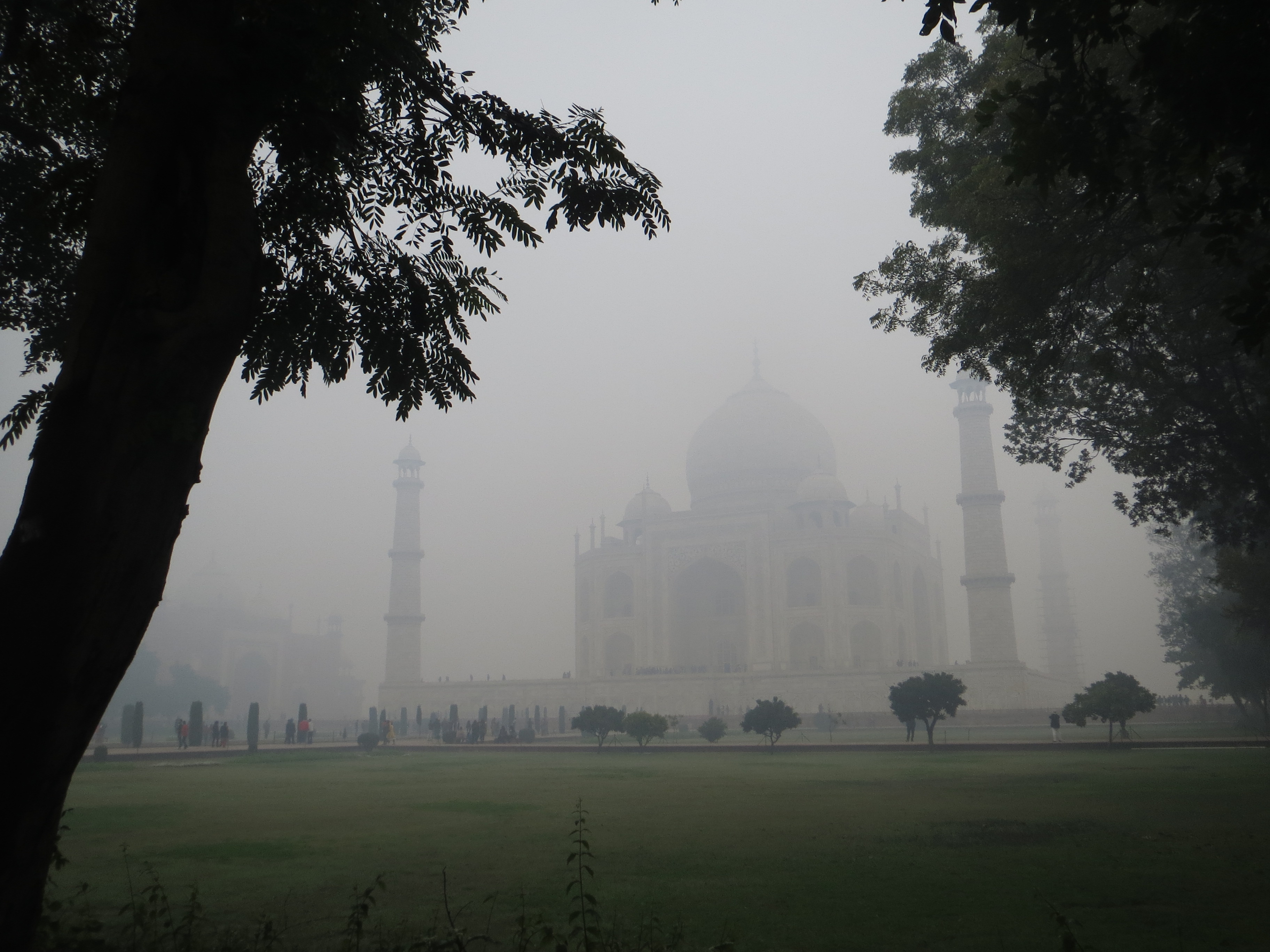
Our travel karma has been cooperative, but in Agra the weather was not.  We woke to a very thick fog, and fell back to our alternate itinerary of visiting the Agra fort, or, more accurately, fortified palace, first, hoping the air would clear sufficiently to see the Taj.

This was lucky, as we might have given the fort less attention than it deserves.  The way in is a short, curved roadway over the drawbridge (though no water or wild animals remain in the double moat), through the impressive gate, and a long walkway/road of corduroyed sandstone pavers (to keep the horses, camels, etc., from slipping) that slopes up into the fort proper, opening on a wide, flat space surrounded by, again, exquisite sandstone and marble buildings.  This is where Shah Jahan was imprisoned by his son, in quarters that gazed across the river to the Taj, Shah Jahan’s beloved wife’s tomb.  Today, a large portion of the fort is used by the Indian army, though the scale of the public parts of the fort are hardly diminished–it is enormous!

When thinly carved, the marble is translucent.

When thinly carved, the marble is translucent.

IMG_1009 IMG_1008 IMG_1007 IMG_1006

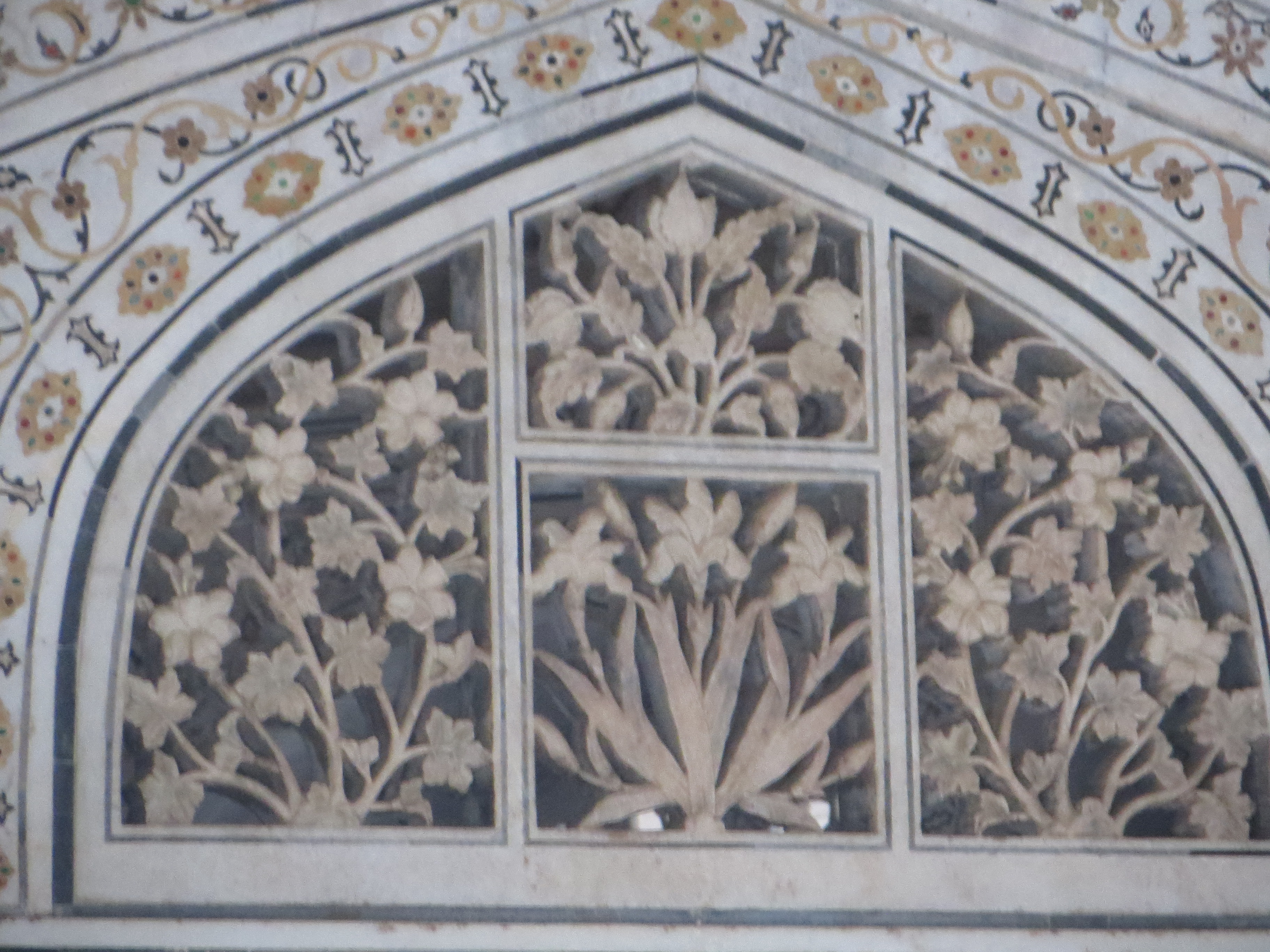
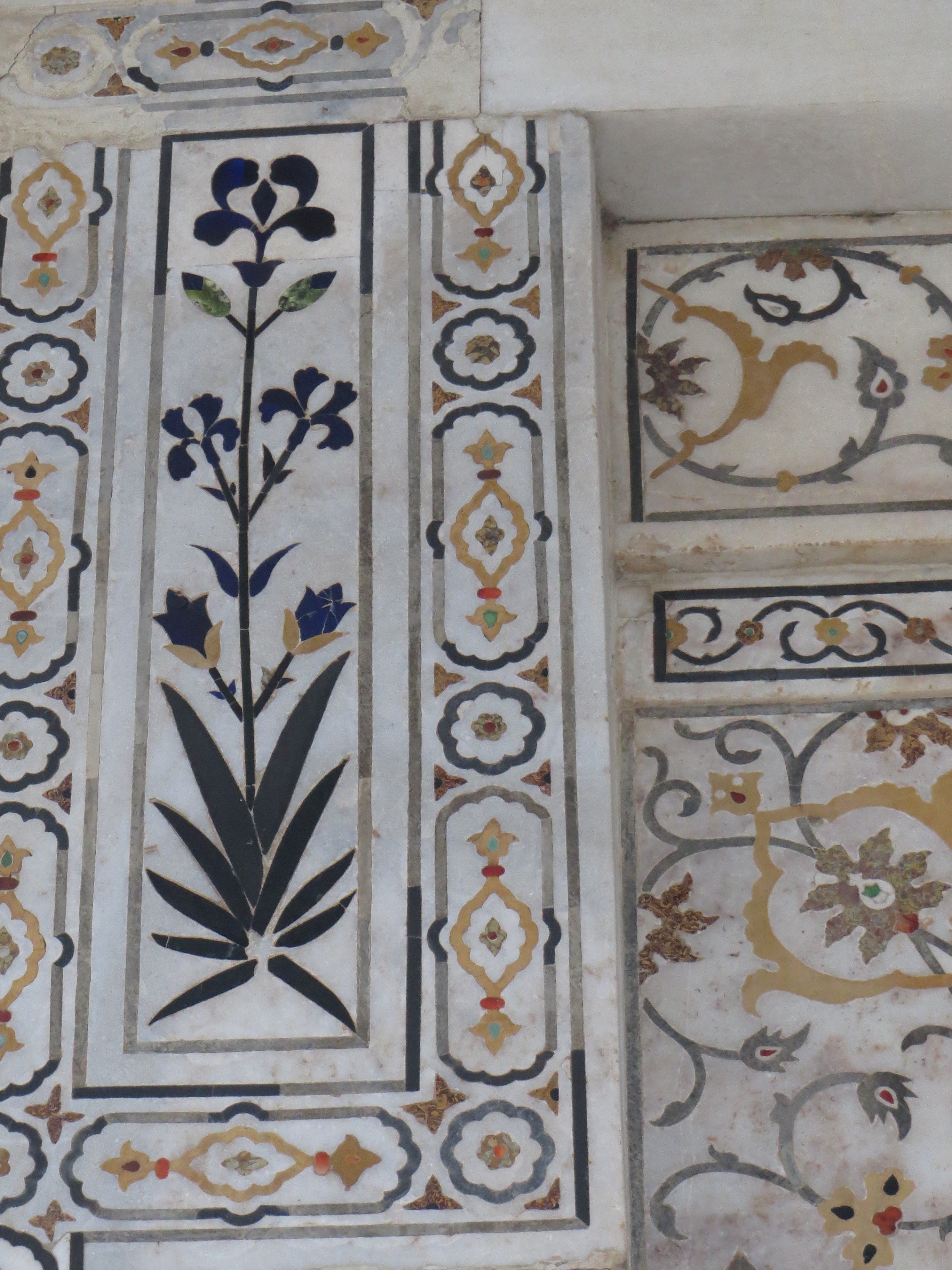
The inlaid decorations, and they are everywhere, have such a happy, light feel to them, and many of the botanical representations are identifiable–iris, rose, lily, and many others.

You really need a guide here or you might be lost for hours in the labyrinth of rooms, gardens, womens’ quarters, public and private “courts” where disputes were judged a la Supreme Court, lawns–and some dogs, a few monkeys, and of course parrots and other birds.

The fog seemed to be thinning a bit as we drove to the Taj.  One lovely thing about Agra–the hotel, Taj, fort, all within 5-10 minutes of each other.  SO different from Delhi.

You take a battery operated shuttle to the security gates, where the pat down was serious, segregated by gender.  And lots of rules:

IMG_1034  They are so specific–no wine, but beer okay?  No books?  No candy!  So when David’s search revealed a cough drop it was confiscated.  He argued about the chapstick, though, and prevailed.

As we entered it was obvious that preparations for Obama are underway–the reflecting pool was being emptied by a score or more of workers who were sweeping and scooping out the last bits of water, and many others squatted in the lawn pulling clover and other weeds.  No matter, as the fog still obscured much of the Taj and the famous framed picture through the gate, with a majestic building reflected in a long pool was instead a cottony, white view of a distant, ghostly building where even the dome (which later appeared, hurrah) was invisible.

On three sides of the tomb–what we know as The Taj Mahal–are enormous sandstone gates, which were intended to, and do, contrast with the white of the Taj to lovely effect.  The one facing west is now and was built to be a mosque; the one facing east was a guest house;.and the main gate.

IMG_1031 IMG_1032

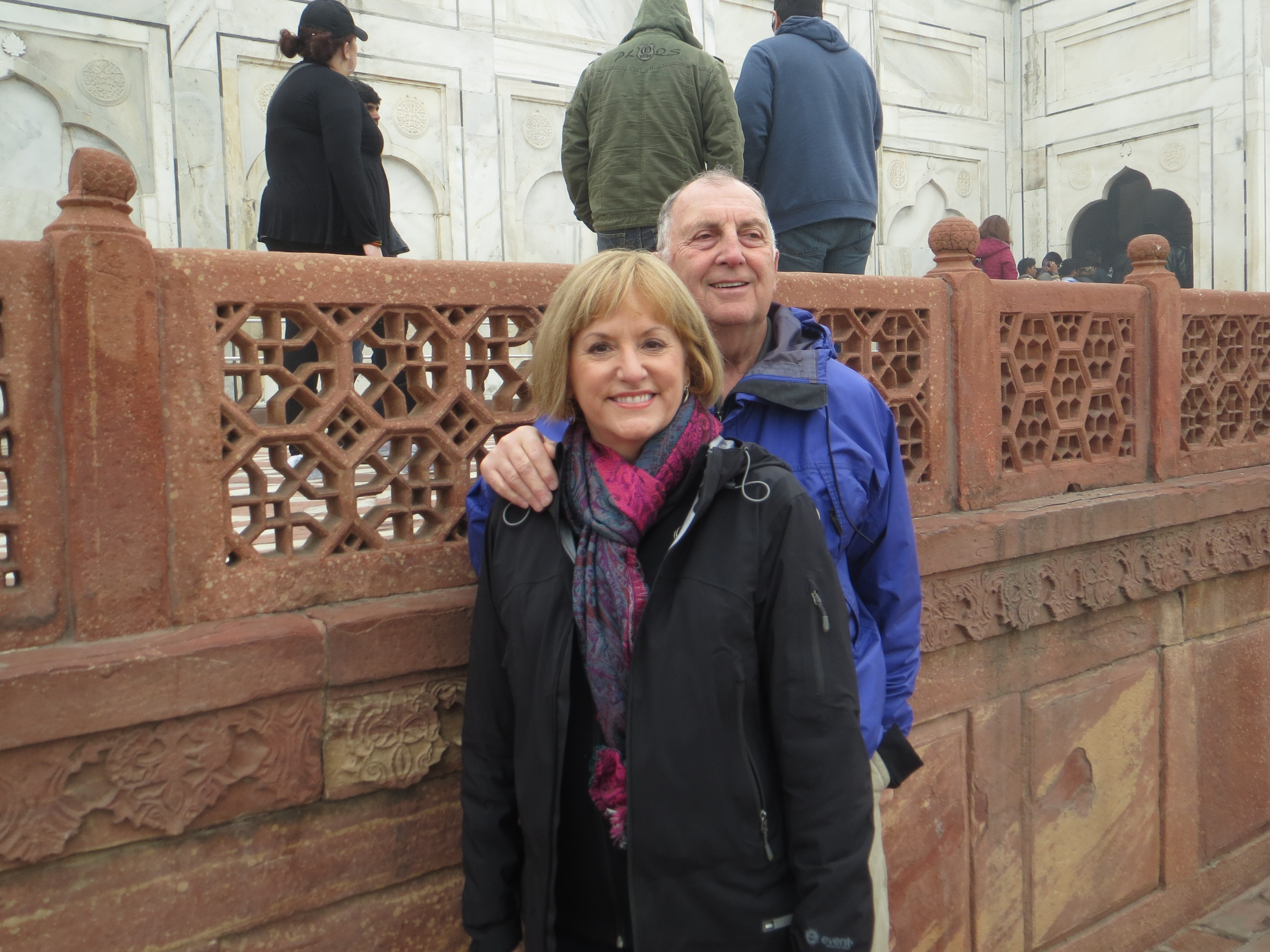
David and Catherine.

David and Catherine.

Leslie and Terry Murphy

Leslie and Terry Murphy

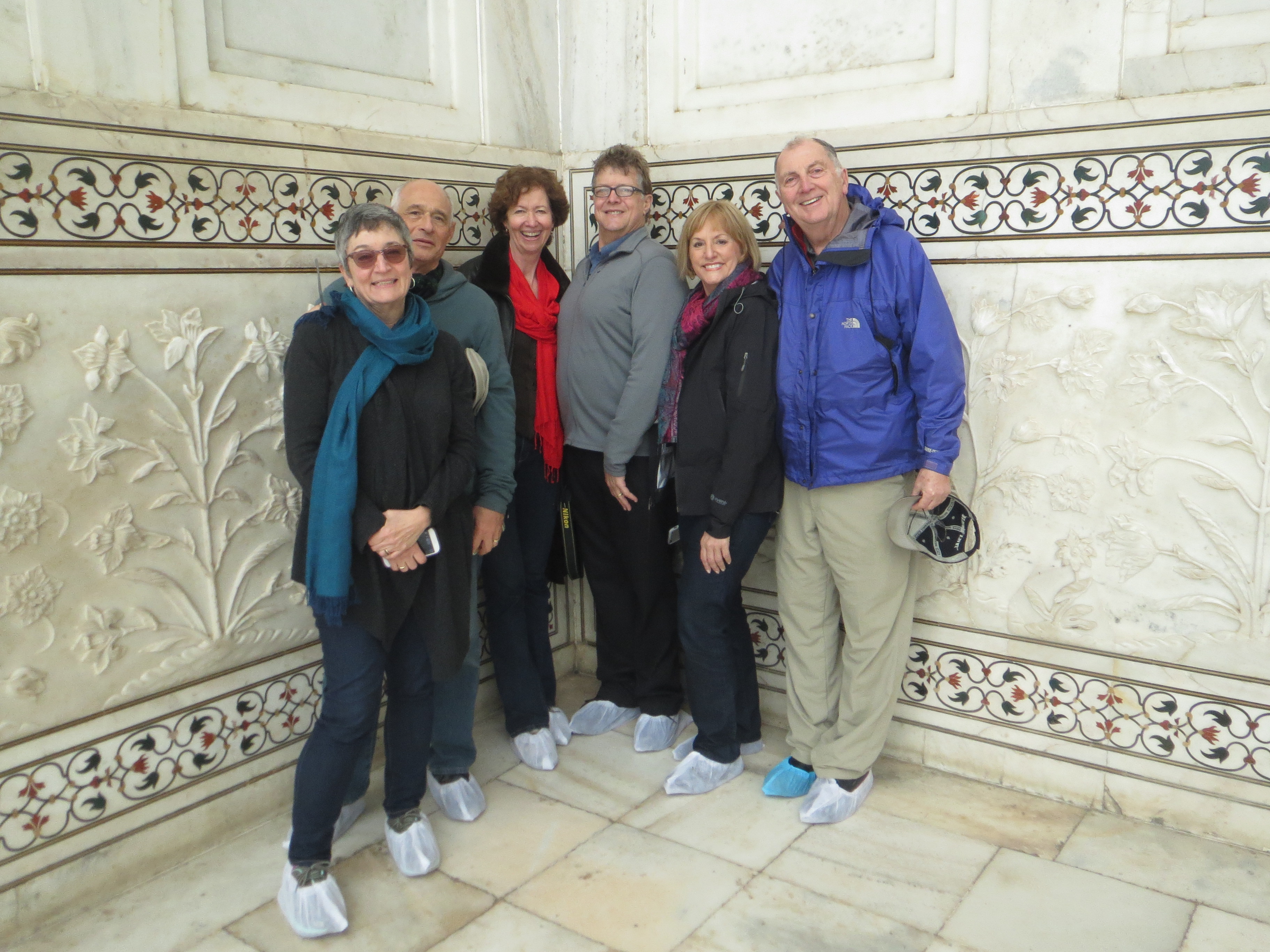
Catherine, David, Marianne, Bill, Leslie and Terry--about to enter the tomb.

Catherine, David, Marianne, Bill, Leslie and Terry–about to enter the tomb.

Visitors from India added color.

Visitors from India added color.

IMG_1027 IMG_1026

IMG_1017 IMG_1018 IMG_1019 IMG_1020

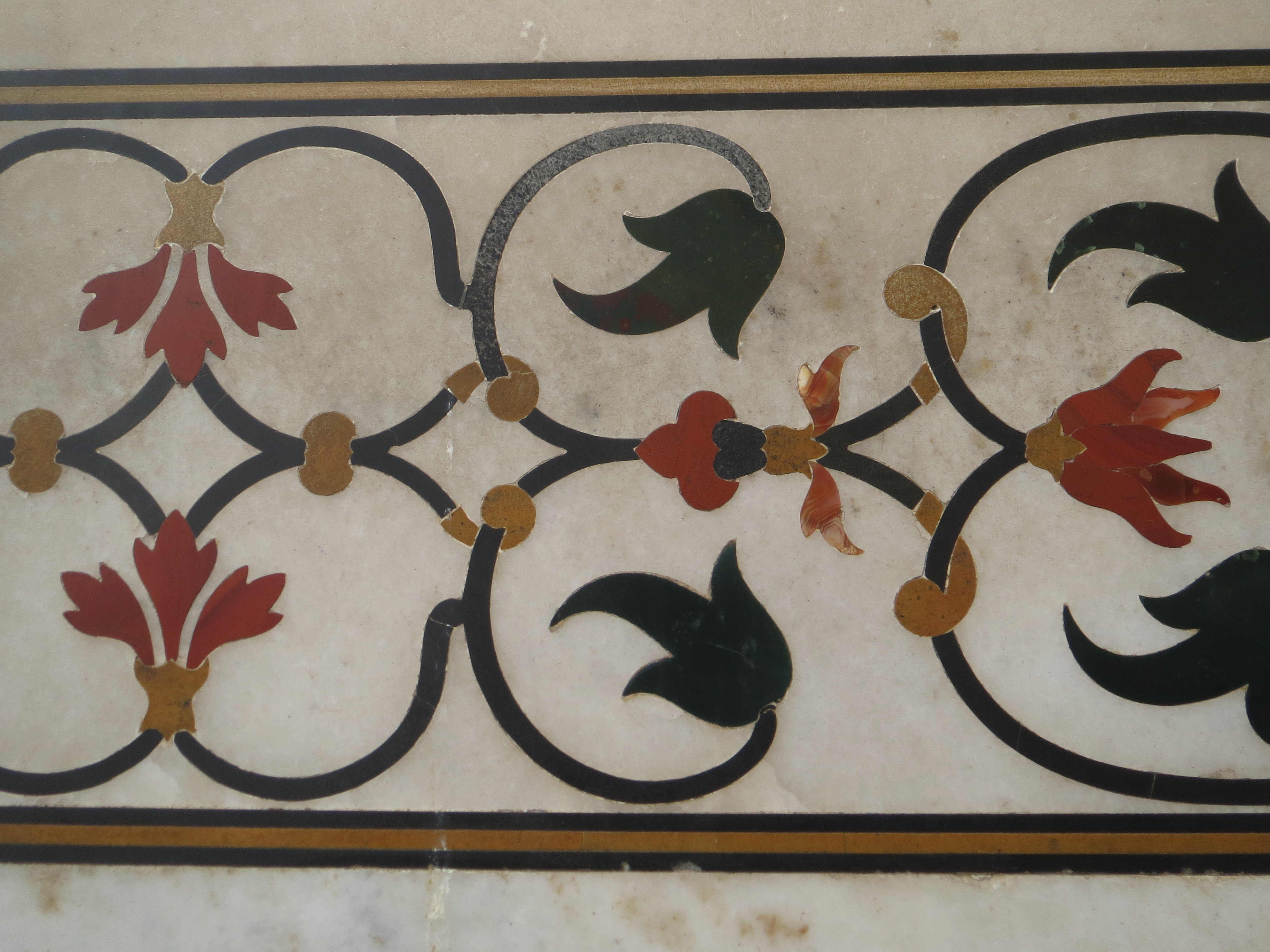
None of use had realized before that there are many inscriptions of the Koran around the exterior which add a very graceful border to the enormous entryways.  The marble is inlaid with carnelian (the red) which, when a light is shone against it, glows due to its crystalline structure.

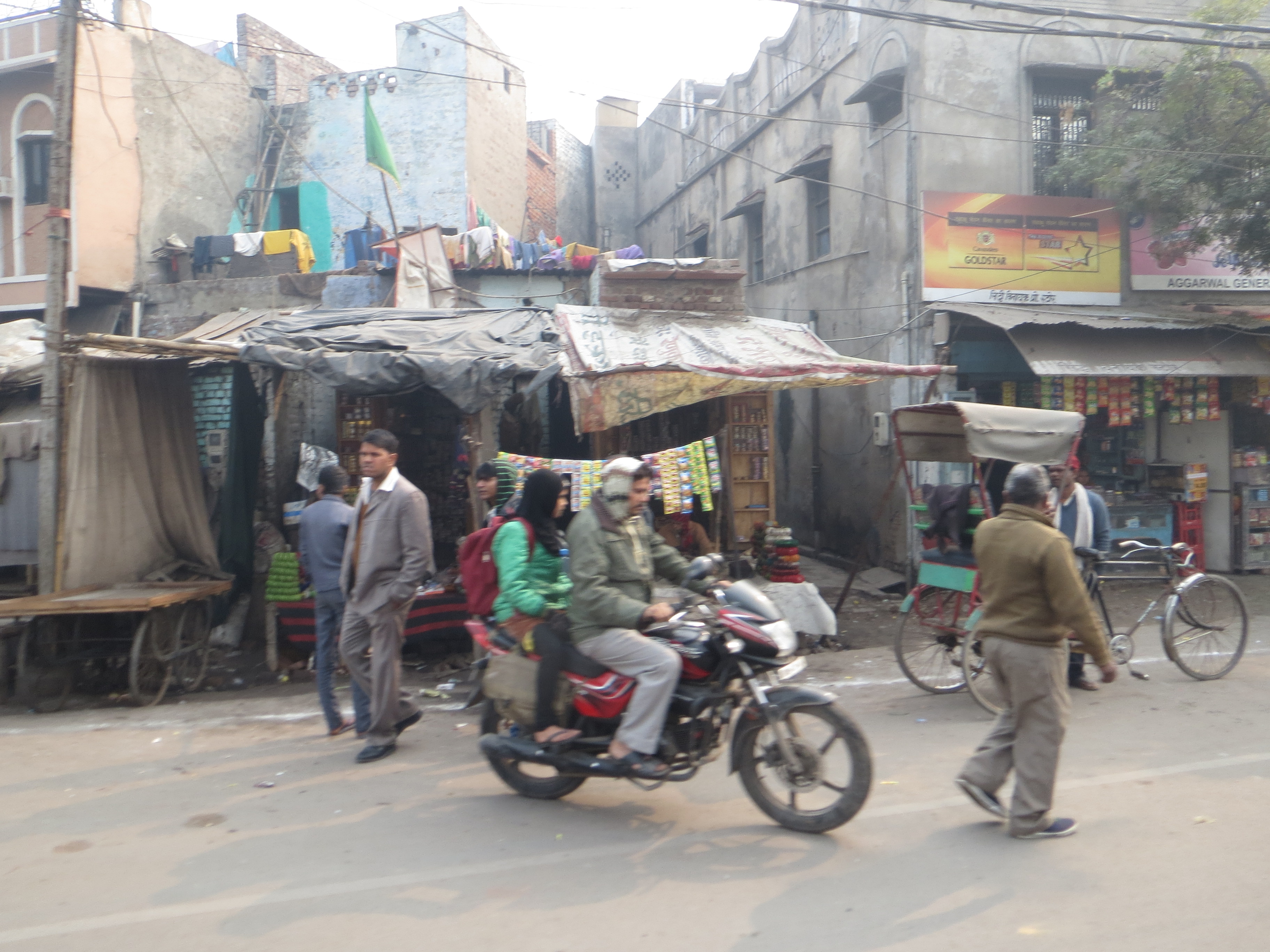
The tourist section of Agra is relatively organized and, to western eyes, more typically city-like.  The surrounding area is the bustling hodge-podge we had seen in Jaipur and parts of old Delhi.

IMG_1041 IMG_1037 IMG_1036

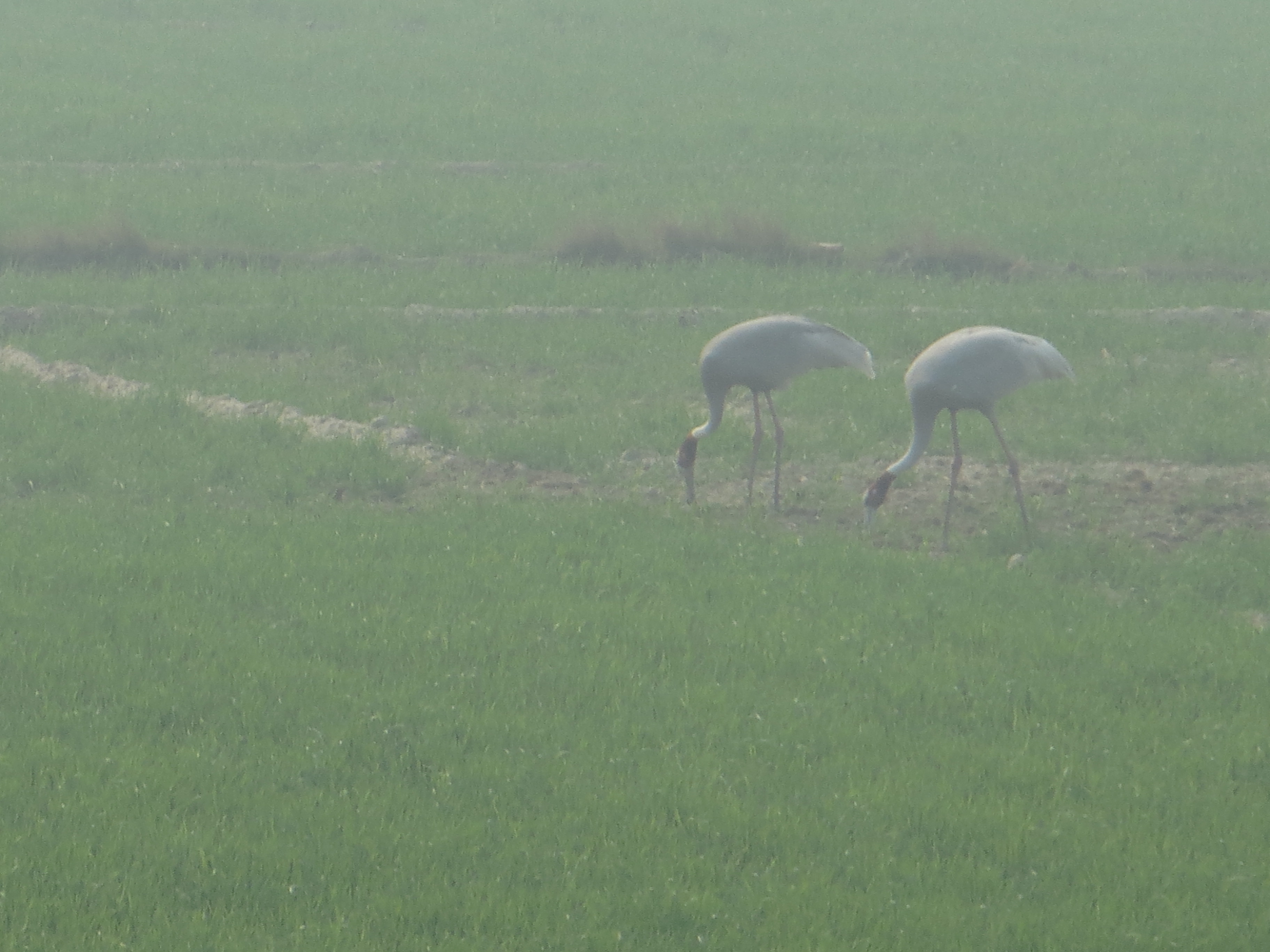
We left Agra to return to Delhi, a 3 hour or so drive along a private, elevated highway.  Most of the countryside is endless green farms of wheat, mostly, and overcome by the sights of Agra it was a restful trip with reading and dozing for all.  Suddenly our driver pulled to the side to point out wildlife in the distance–huge storks (below) and, a few moments later, blue bulls, which were difficult to photograph but they have horse heads (luckily I had my binoculars) and bullish bodies.

IMG_1048

We ate at a lovely Mediterranean restaurant (the cuisine via India–I don’t recall seeing lemon grass and coconut milk on a Mediterranean menu before) where we feasted on roasted vegetables, pasta, mezze, chicken, and paella.  Speaking for myself, I fell into bed, dreaming the heavy, sleepy, can’t-seem-to-move dreams of the exhausted traveler.  Tomorrow we fly to Kolkata for five days of Freedom from Hunger-led touring and learning.

Foggy Road to Agra

IMG_0373

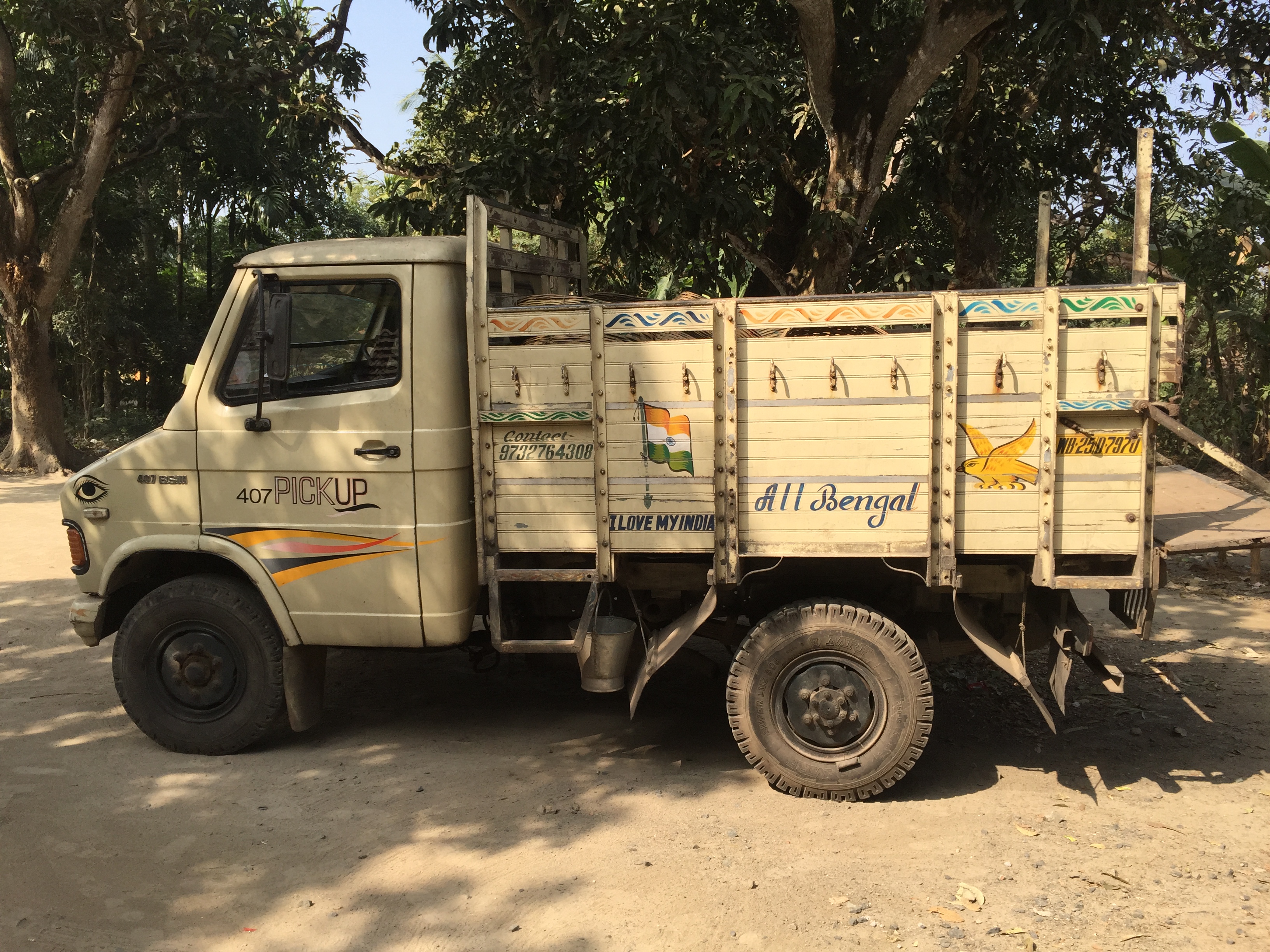
We set out on a cold and foggy morning, leaving the bustle of Jaipur for the open road to Agra, on which we saw–and often very narrowly missed colliding with–cars, buses, tourist vans, horse-drawn carts, donkey-drawn carts, camel-drawn carts, tractors, bicycles, motorcycles, goods carriers (commercial trucks) of various sizes, all brightly painted, 3-wheel taxis (motorized), 3-wheel taxis (cycles).  Bicycling men coming toward us in white turbans, grey blankets, and cloth-wrapped faces against the cold.  A blast of artificial sunshine as a woman in a saffron-gold sari disappeared down a cross road into the fog.  Long-haul trucks with open trailers, one painted with a lake scene and stylized flowers, all with artificial flowers stuck in the outside mirrors and long green tassels swinging from side windows, painted of course with instructions to BLOW HORN or HORN PLEASE.  (The honking is incessant, as apparently every driver must honk when passing, almost passing, or having just passed another vehicle of any kind.)  Trotting dogs, ears alert, and sleeping dogs curled up, playful dogs wrestling.  Two-toned crows with thick beaks.  Dangling strings of colorful packets of beetlenuts from every khoka (small commercial stand).  Red resin chairs in tight circles around small fires where men in turbans and blankets huddle in conversation.  Standing women in saris of every color, also in tight circles.  Sweepers, mostly women, bent over at work in saris of every bright color.  A young man in trunks, nothing else, washing his hair at a large caldron of water.  Small conical Hindu temples.  Silhouetted trees in the bright fog.
As we drove our van was filled with soft, slowly rhythmic chants to tabla and droning harmoniums. One of our group, having had very little sleep, dozed in the back, while others read.  On we went in the fog.

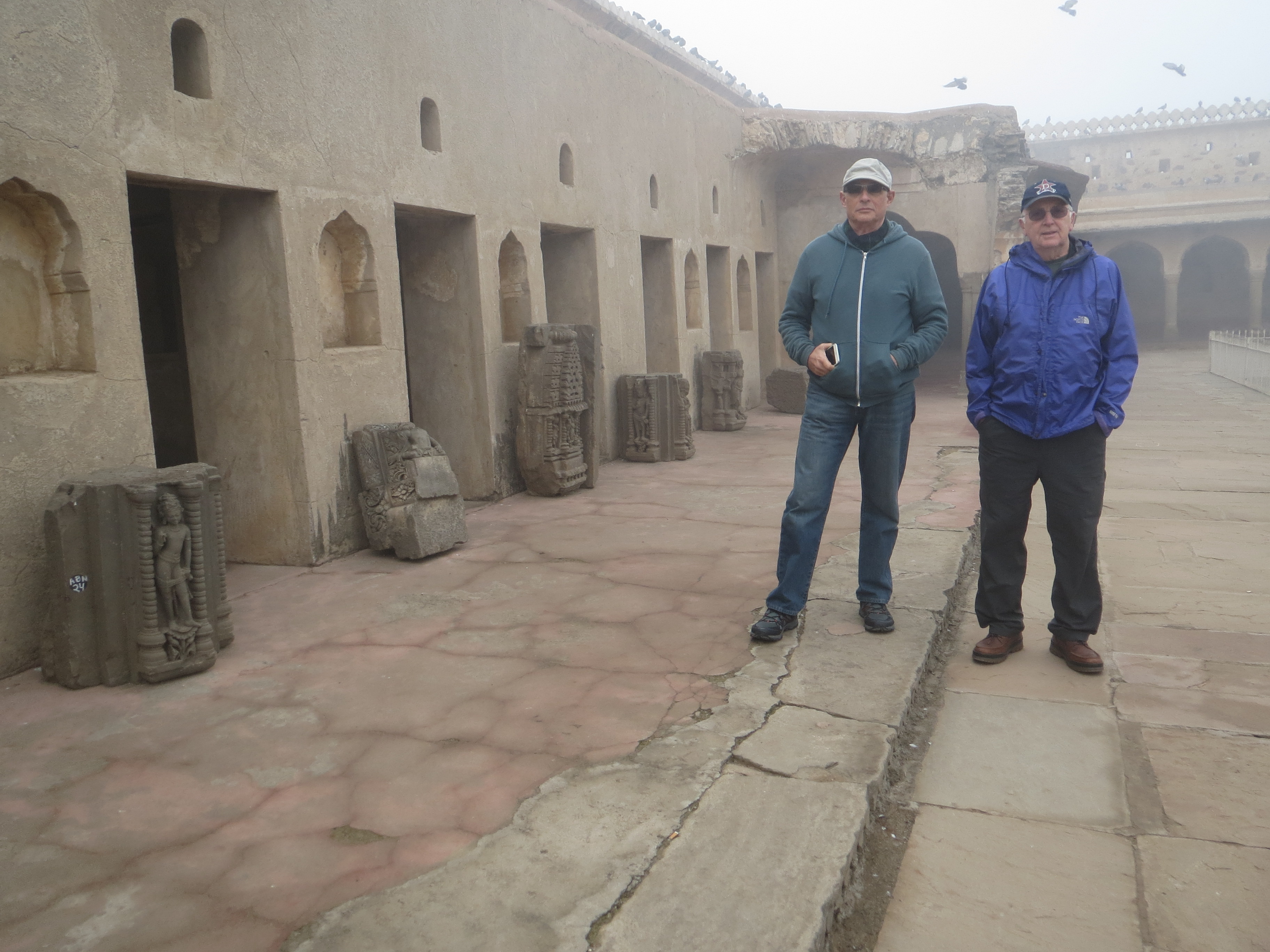
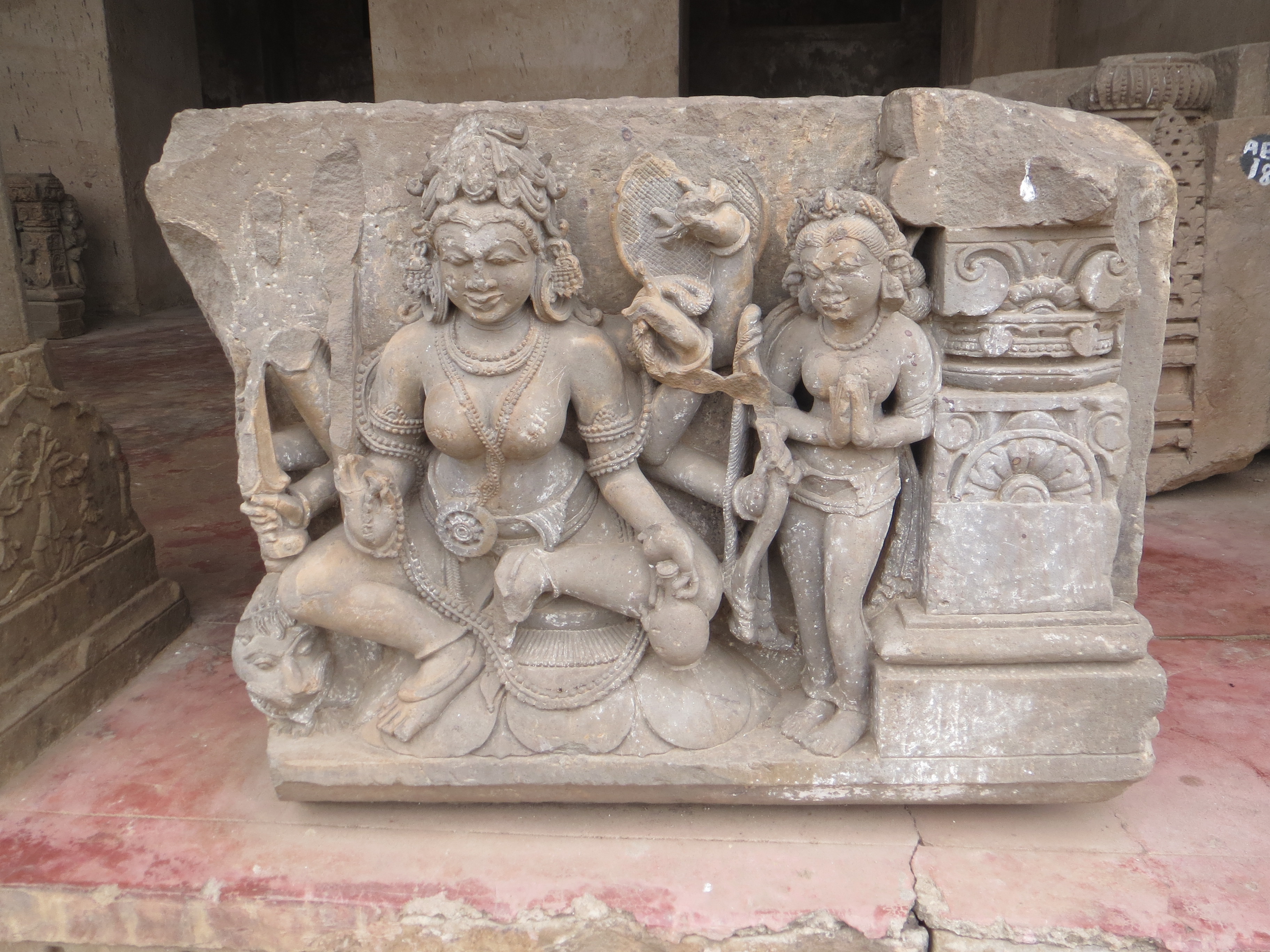
After a couple of hours we turned off the highway and headed  a few miles down the side road, coming to what appeared to be a tiny village, though our guide told us several thousand live there.  Our van stopped and there right on the road was an informational sign for Chand Baori, Abaneri, one of the oldest step wells in Rajasthan and built in the 8th or 9th century.  Inside the low entry and down a few steps is a living Hindu temple to Hanuman, the monkey god; the entire temple is perhaps 10 feet long, though clearly in use.  And the step well–how to describe it?  Twenty meters deep (about 6 stories) surrounded by an elaborate series of steps on all sides, and a colonnade on 3 sides where pieces of carved parapets have been numbered and lined up for restoration.
IMG_0993 IMG_0991 IMG_0997 IMG_0995 IMG_0278 IMG_0267 IMG_0279 IMG_0994

The contrast between this enormous and ancient public work and the tiny village structures which surround it was jarring.  With the help of our guide we were welcomed into one home, tiny, hazy with smoke, where two woman spoke to us, translated by our guide, about the bread they were making, two small boys looking up at us, wearing winter caps and feet bare.  David and I were startled at the close similarity to our experience in Chiapas, Mexico, where we were given lunch by a woman in her smoky, tiny home–and in both cases families living in a single room, adults and children sleeping together, cooking around an open fire in the center, and both with a small tv and a mobile phone.

IMG_1001 IMG_1002

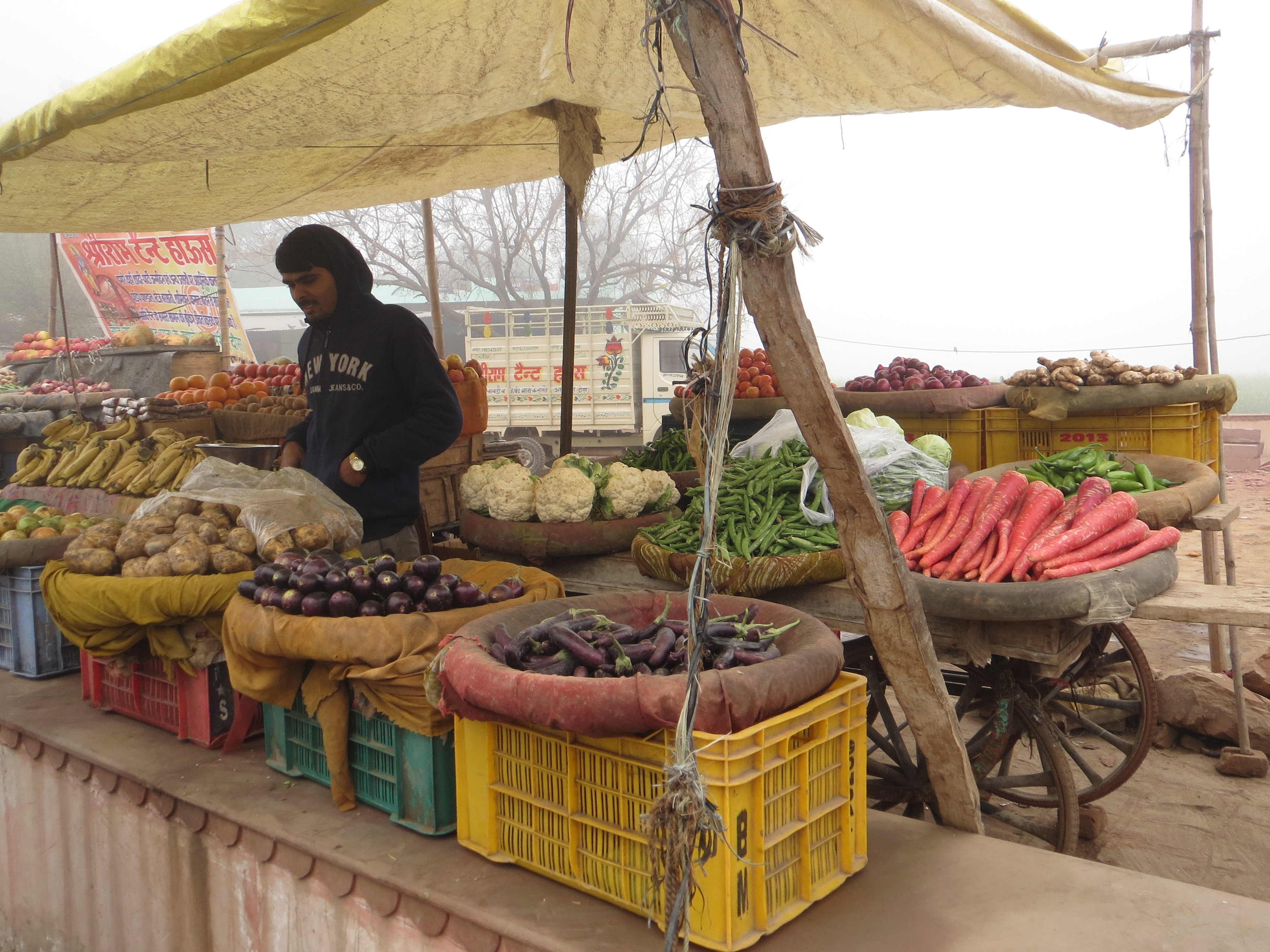
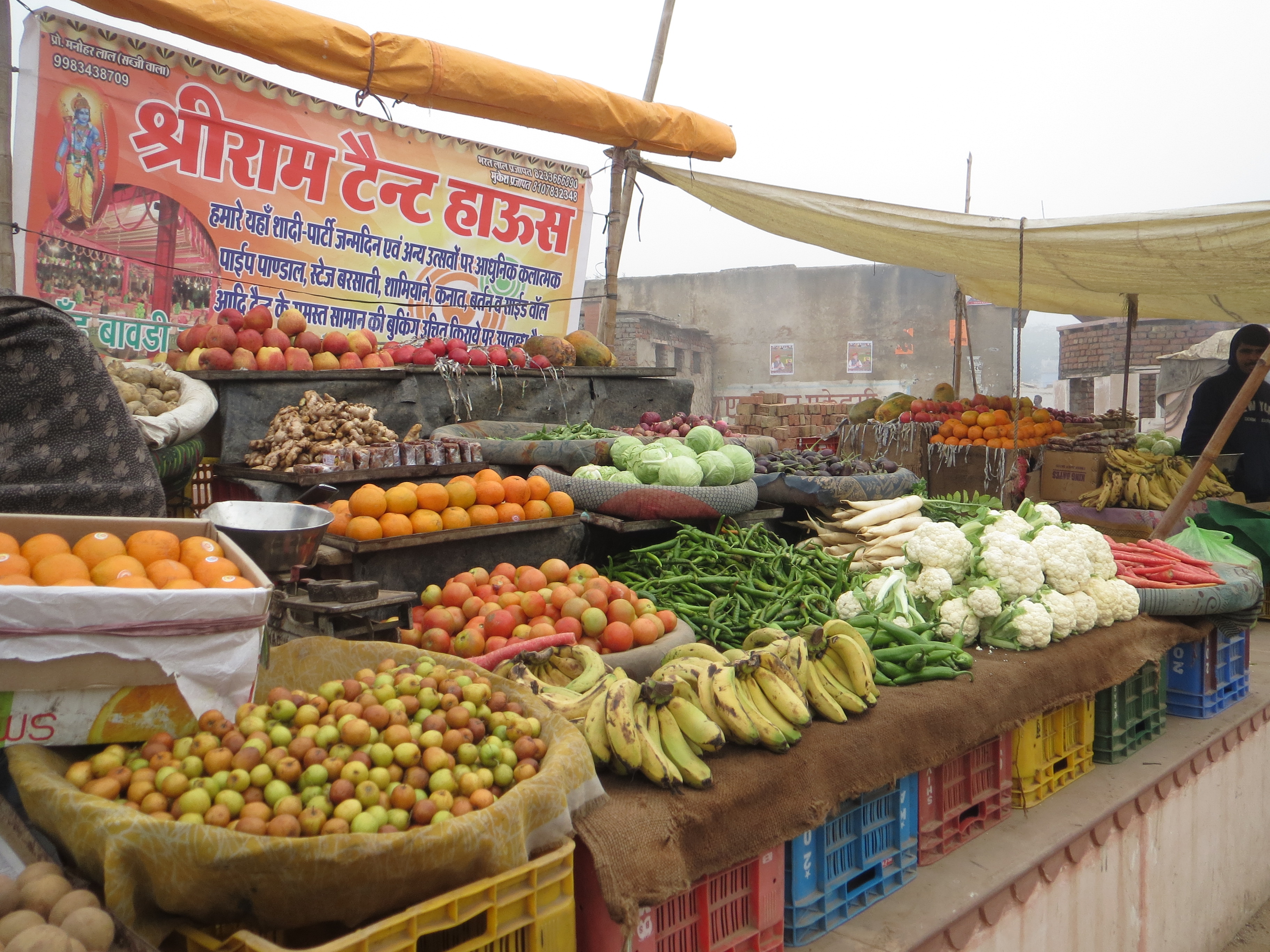
The contrast between the very poor, tiny homes and the beautiful vegetable stands directly across the narrow road was equally jarring.  The friendly proprietors welcomed me to take pictures and pointed out and named each item, all the produce beautiful, clean, and appetizing–especially the red, red carrots.

IMG_1005 IMG_1004

Our final stop before lunch and Agra was the abandoned Mughal city of Fatehpur Sikri.  We were happy to walk up the road in the cool afternoon past small herds of goats, the fog having dissipated, to tour this extraordinarily large abandoned city.  It took 12 years to construct and after 2 years of occupancy was abandoned, probably due to lack of sufficient water.  David and I were again struck by the similarity to our experiences at Mayan ruins in Mexico–the scale and expanse, the decoration, the engineering, seems impossible.

IMG_0313 IMG_0325 IMG_0332 IMG_0352 IMG_0341The carving–and, to me, the remarkable geometric precision and variety–is astounding.

IMG_0347 IMG_0346 IMG_0344

In Agra we had our first South Indian Thali lunch–scrumptious.  I have to learn how to make dosas! (As well, I have to learn to make lentils cooked in milk which we had the day before.  Seriously scrumptious.)

This evening we went to live Bollywood, a local show which purports to tell, with considerable poetic license, a version of the story of the Taj Mahal.  The sparklers, balloons, and marching out of the Indian flag at the end capped a hilarious production.  Now, to bed.
Jaipur Magic–with Elephants

IMG_1232-1

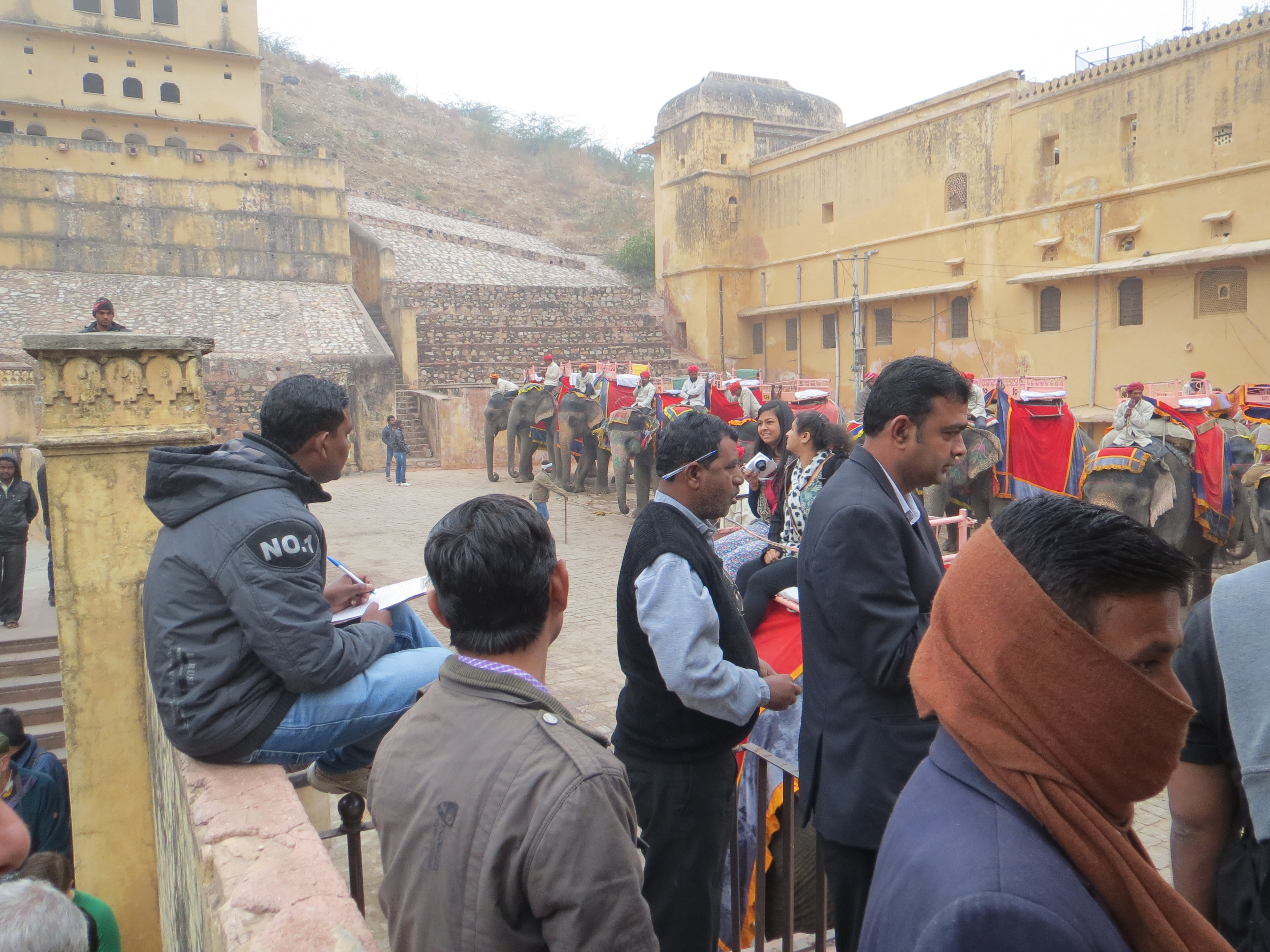
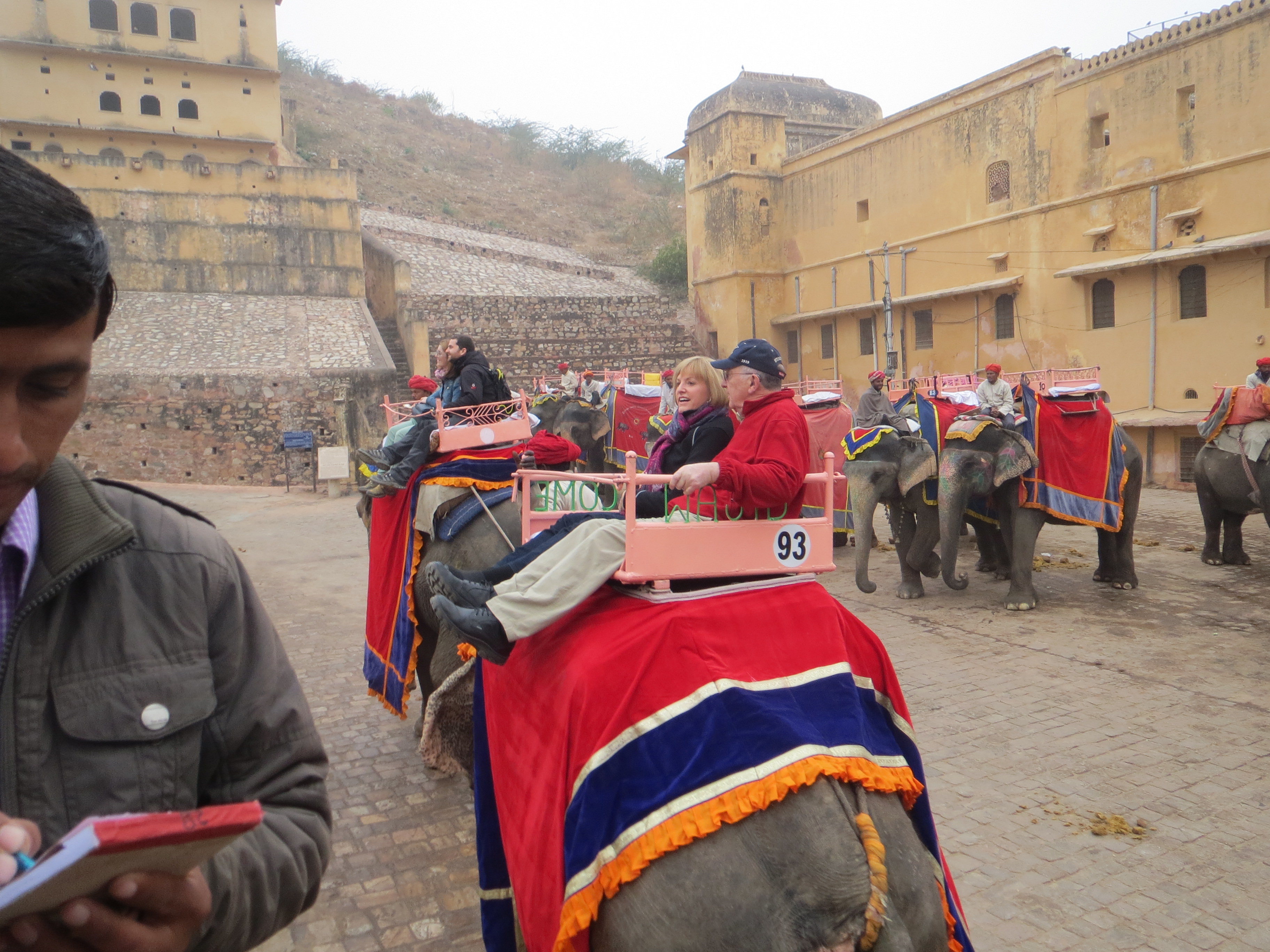
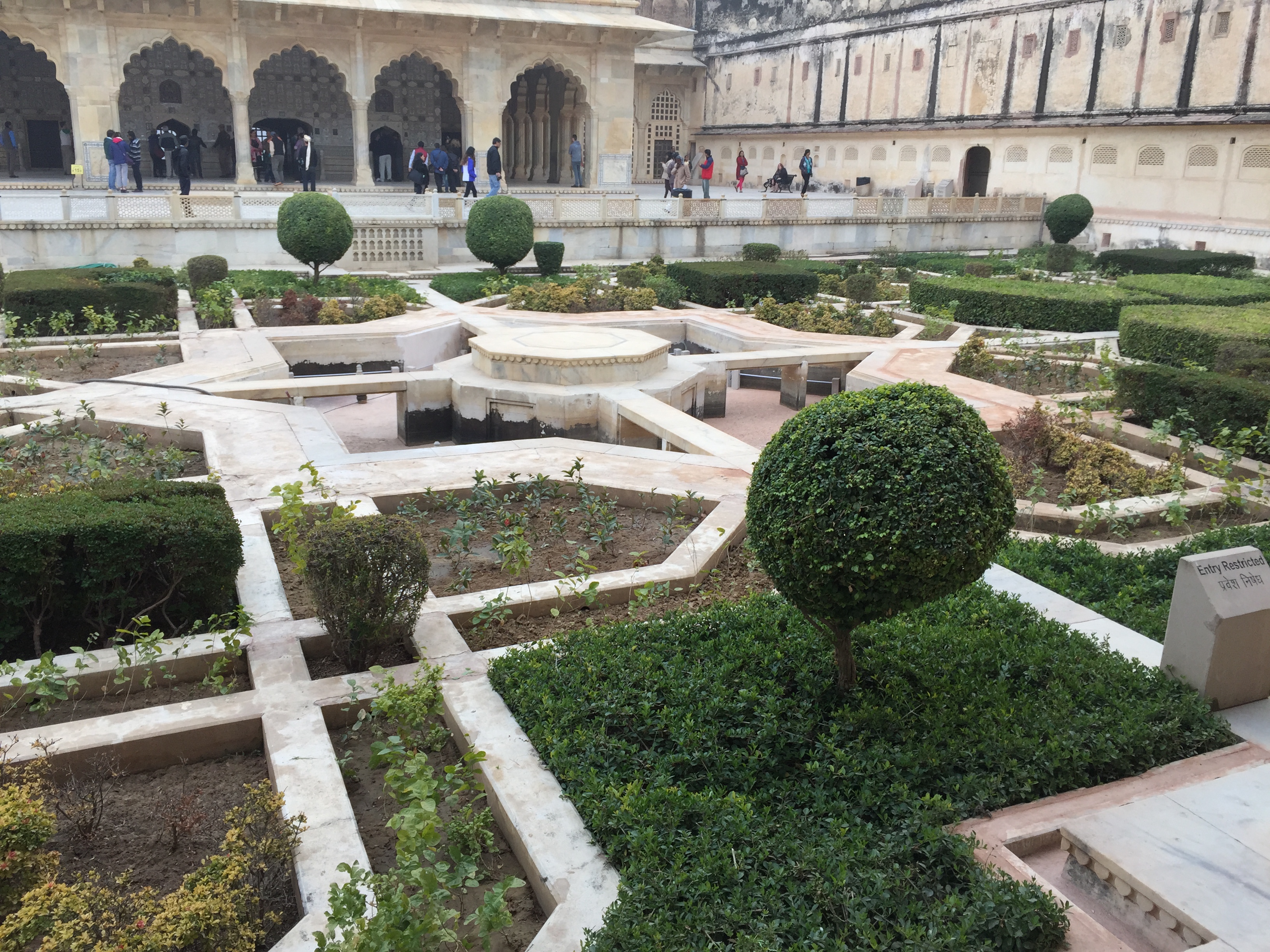
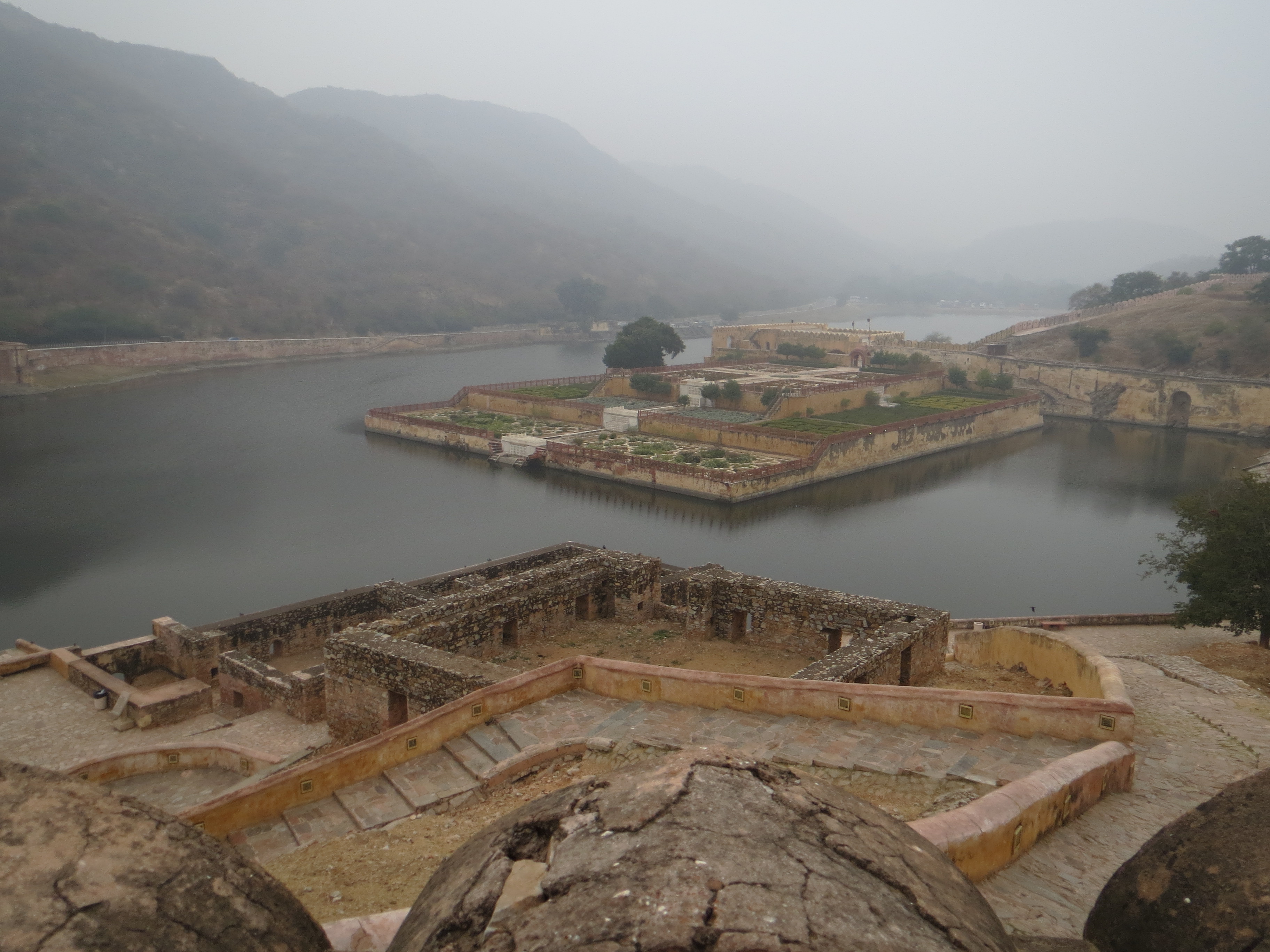
In the cool foggy morning we waited in a short queue for our elephant ride up to the Amber Fort, batting hawkers away.  And there we were, two to an elephant, riding up a steep stone walkway swaying a bit precariously and looking out at the small manmade lake, the geometric garden island in its midst, a high distant ridge toped by a winding stone wall, and, when we turned forward, at the rolling, lumbering head of our elephant and the red turban of his “driver.”  (I know there is a term for this man other than driver, but I’m too tired and lazy to look it up.)

IMG_0947 IMG_0949 IMG_0951 IMG_0952

Every few minutes an elephant came down, empty of guests, and every few minutes young men singly and in groups shouted at us to look their way as they waved cameras around–taking pictures which we would be hawked at the top, on the way down, and, amazingly, many hours later in central Jaipur.

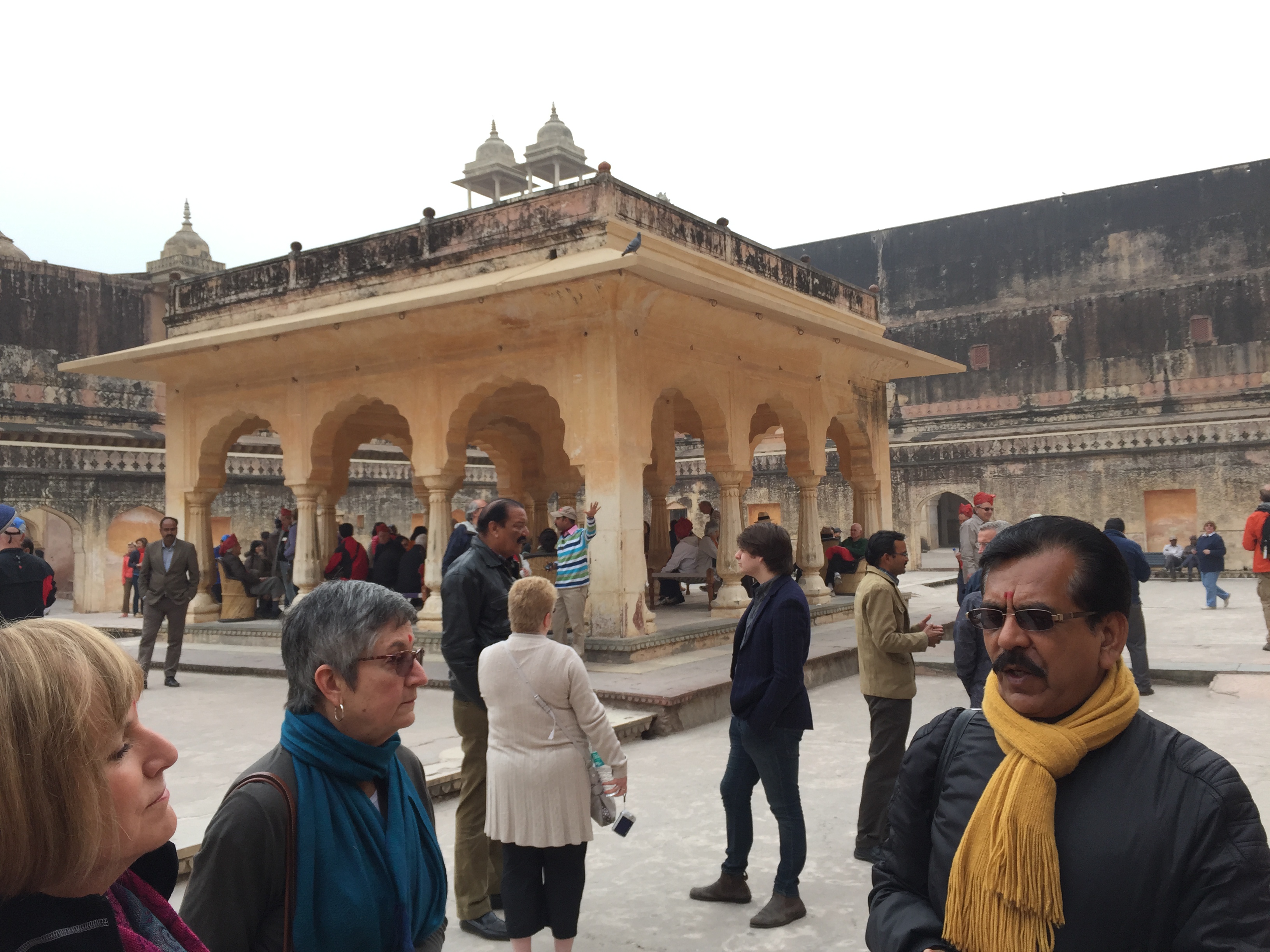
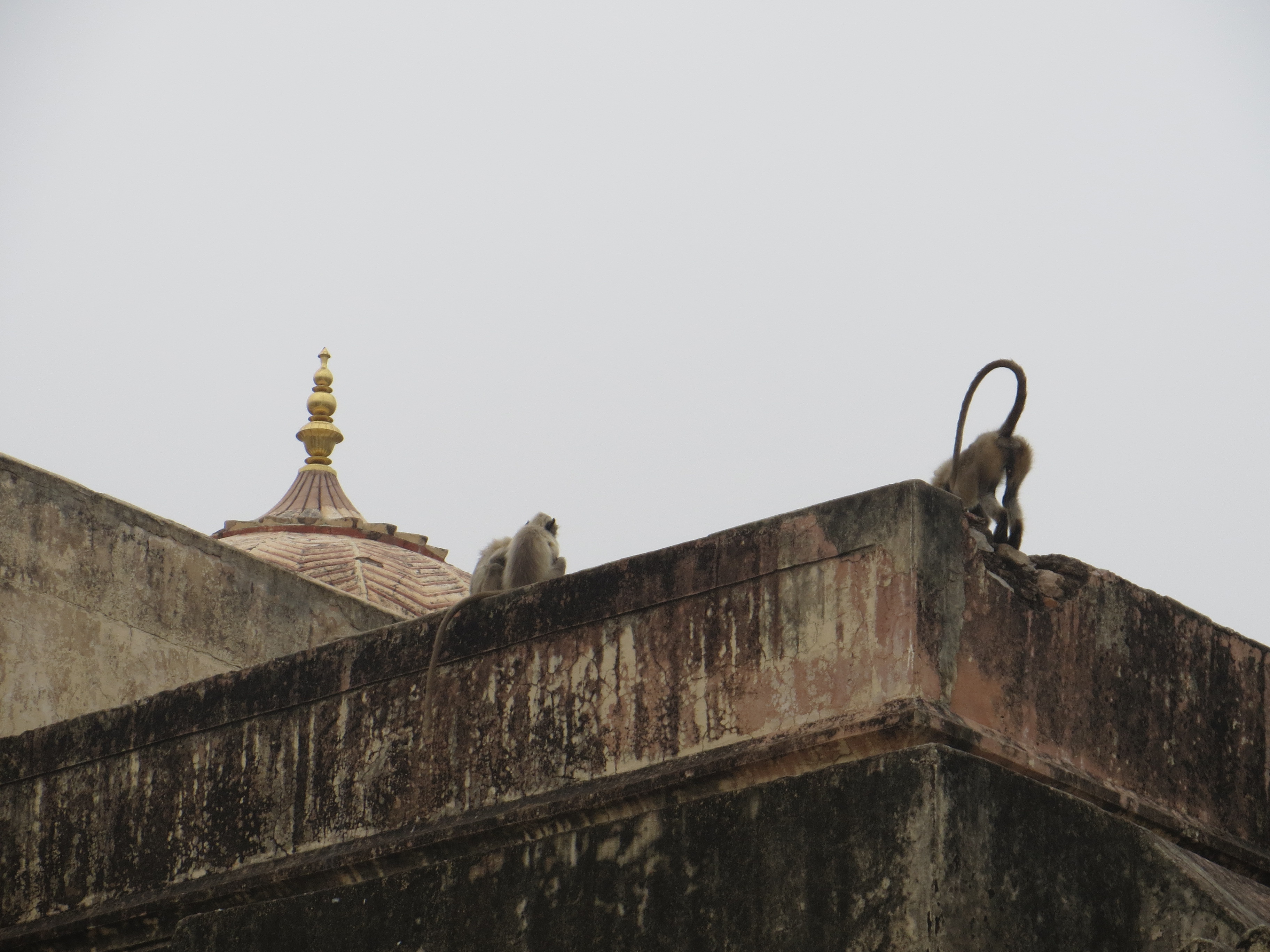
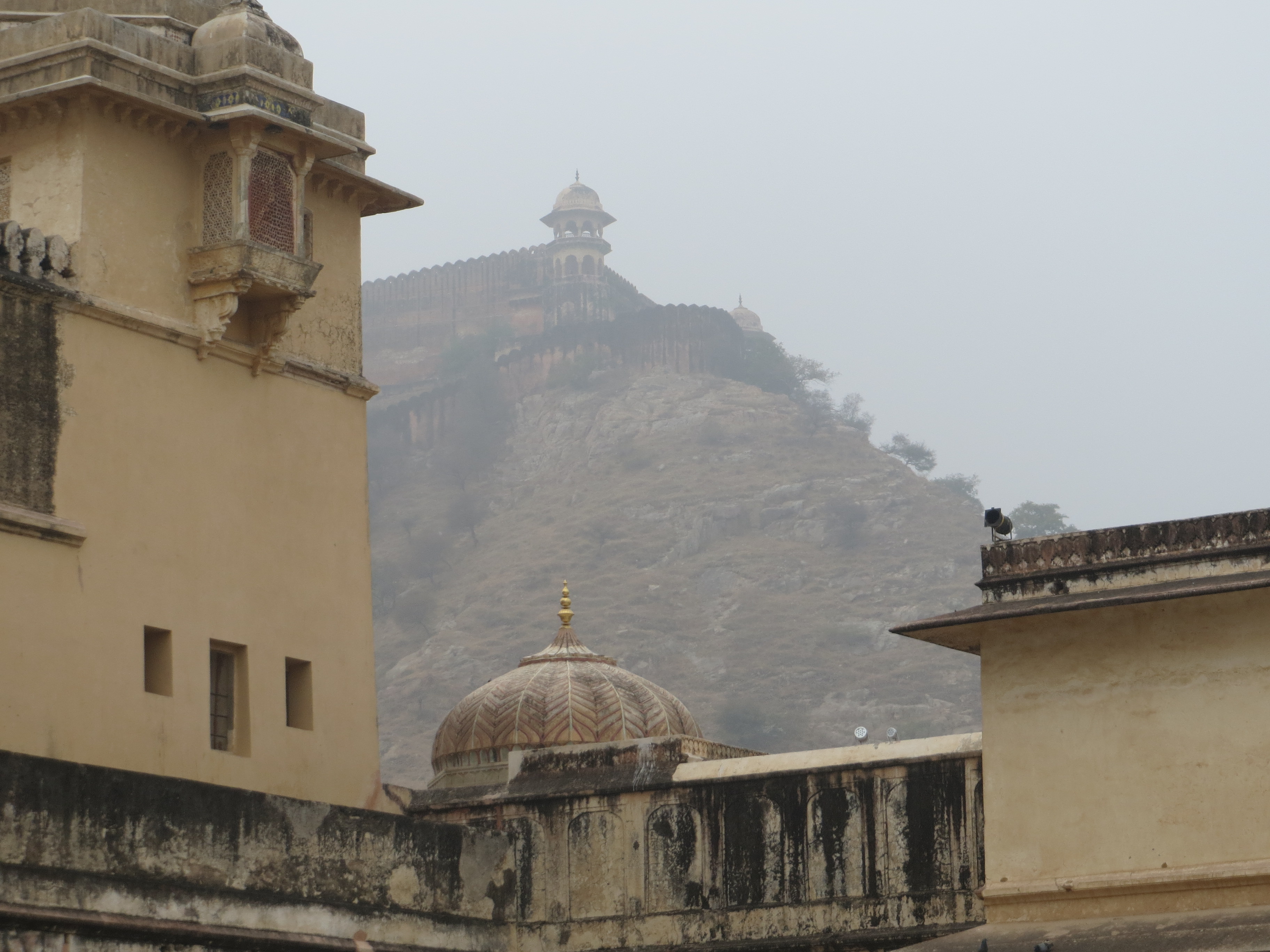
At the top is the Amber Fort, a huge complex of plazas, palace rooms, meeting areas, baths, concubine quarters, a tiny and exquisite Hindu temple, monkeys, birds, and, visible on lower levels, goats.

IMG_0189 IMG_0194 IMG_0196  IMG_0208IMG_0189IMG_0194IMG_0964IMG_0970IMG_0982 The palace quarters are a labyrinth, with smooth, shiny hallway walls (shiny to reflect candle and lamp light), botanical frescos, balconies and turrets.

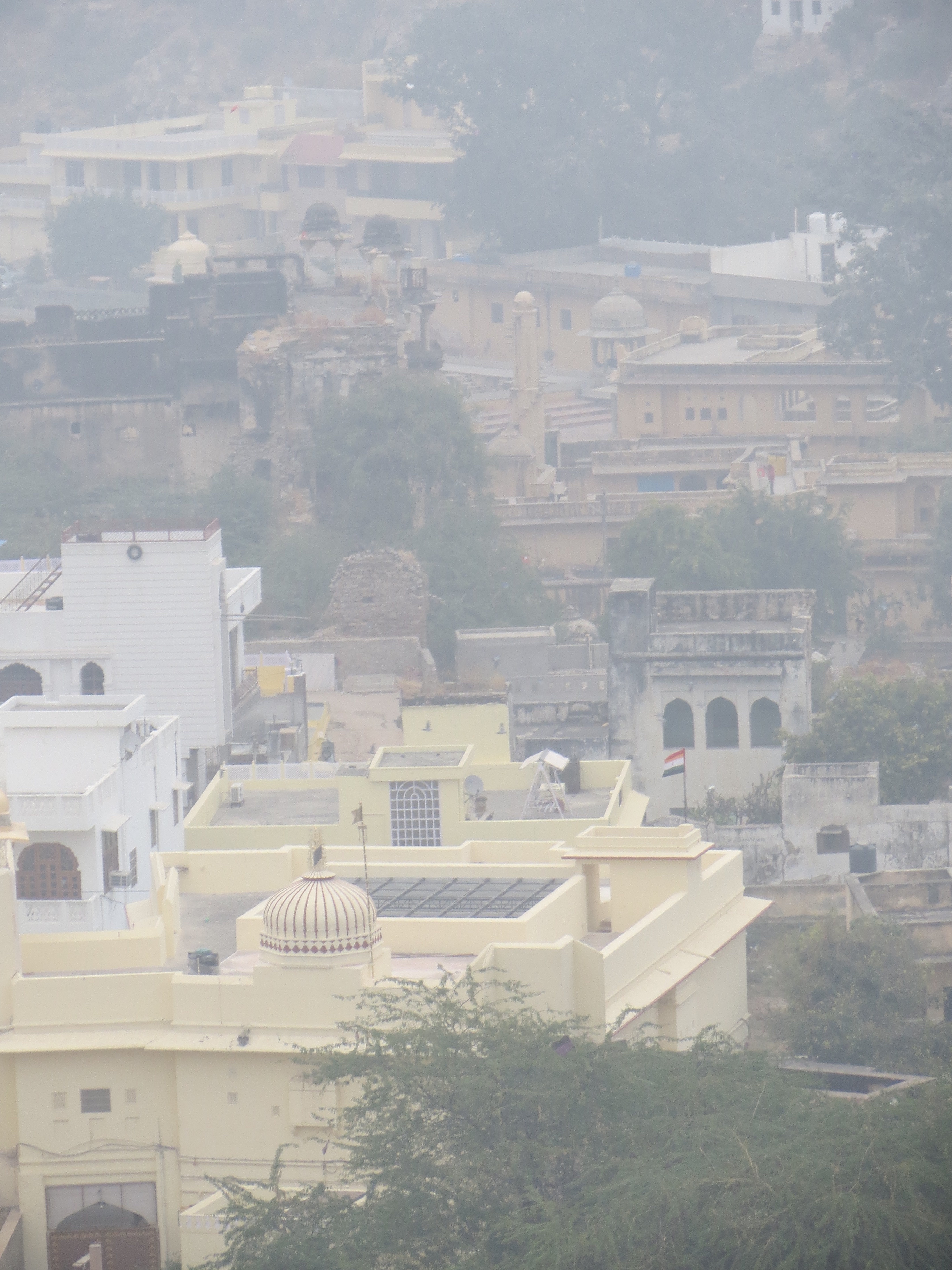
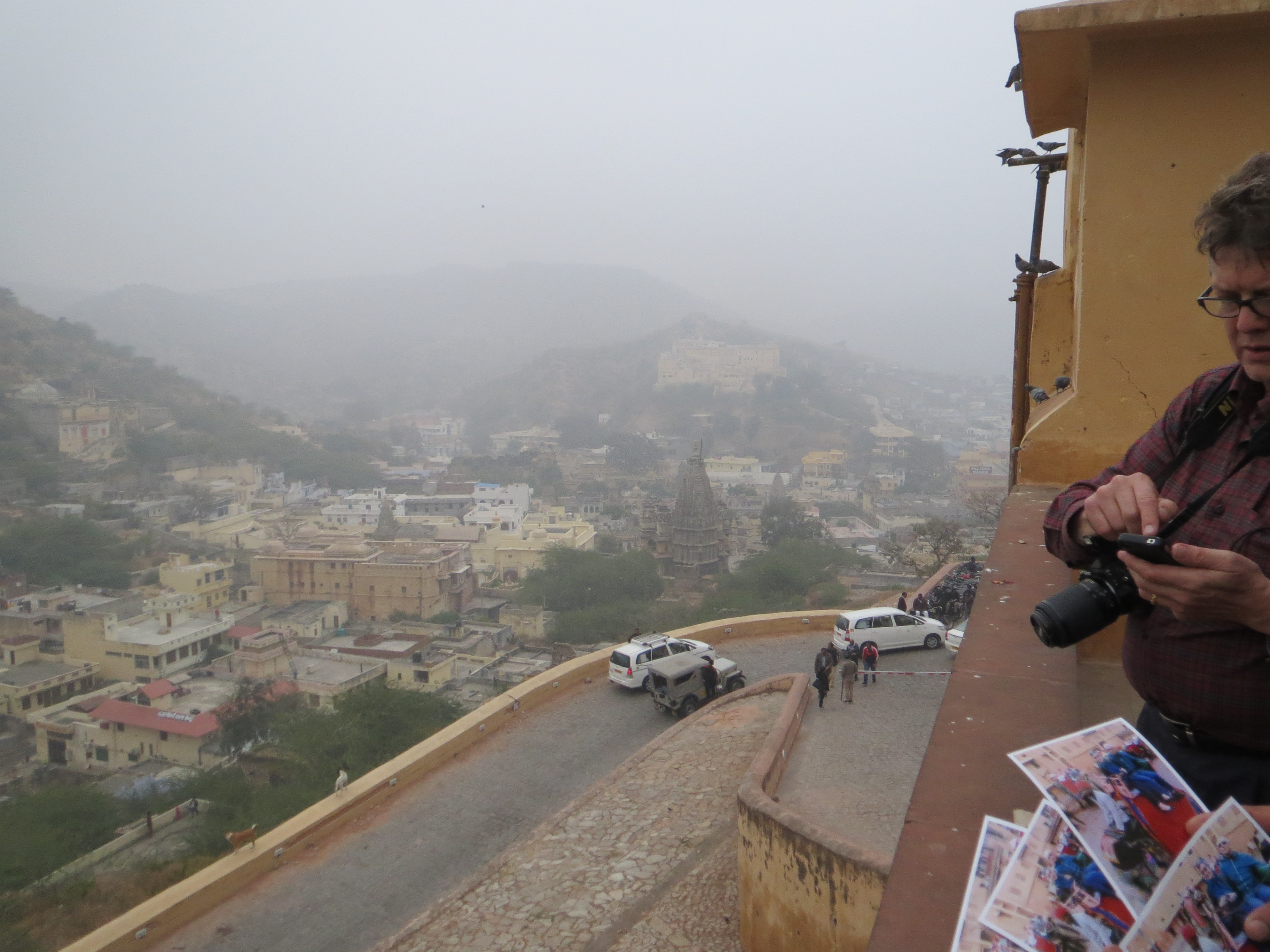
We wandered for several hours with our guide who patiently explained the complex history of the families, rivals, marriages, and ambitions.  He also told us that until the last few years the area around the fort had been essentially abandoned, buildings many hundreds of years old allowed to crumble.  And the rubble was visible from the top, as were foraging pigs and goats, dogs, and, still, children flying kites.

IMG_0961 IMG_0958 IMG_0956

About the elephants–they work from 8am until 11am, when, by law, they are given the rest of the day off.  And we did see several walking along the road back toward Jaipur, heading home.

Today was a shopping day in large part–and after the fort we went to a large jewelry store where they make much of their high end wares (and of course we had a tour and demonstration), and where gifts were purchased; had a lovely lunch in a former palace; visited a school for miniature painters (where more money was spent by all); and, not intending to buy anything, a small bazaar which included wholesalers and manufacturers where the women all managed to find things we had to have.  I fell in love with a piece of fabric the size of a small blanket, 50-100 years old and from Afghanistan, an item I did not even remotely need.  Somewhat frayed, in muted colors, hand woven and hand stitched together of three pieces–holding it I felt a connection that I could not resist.  And so I did not.

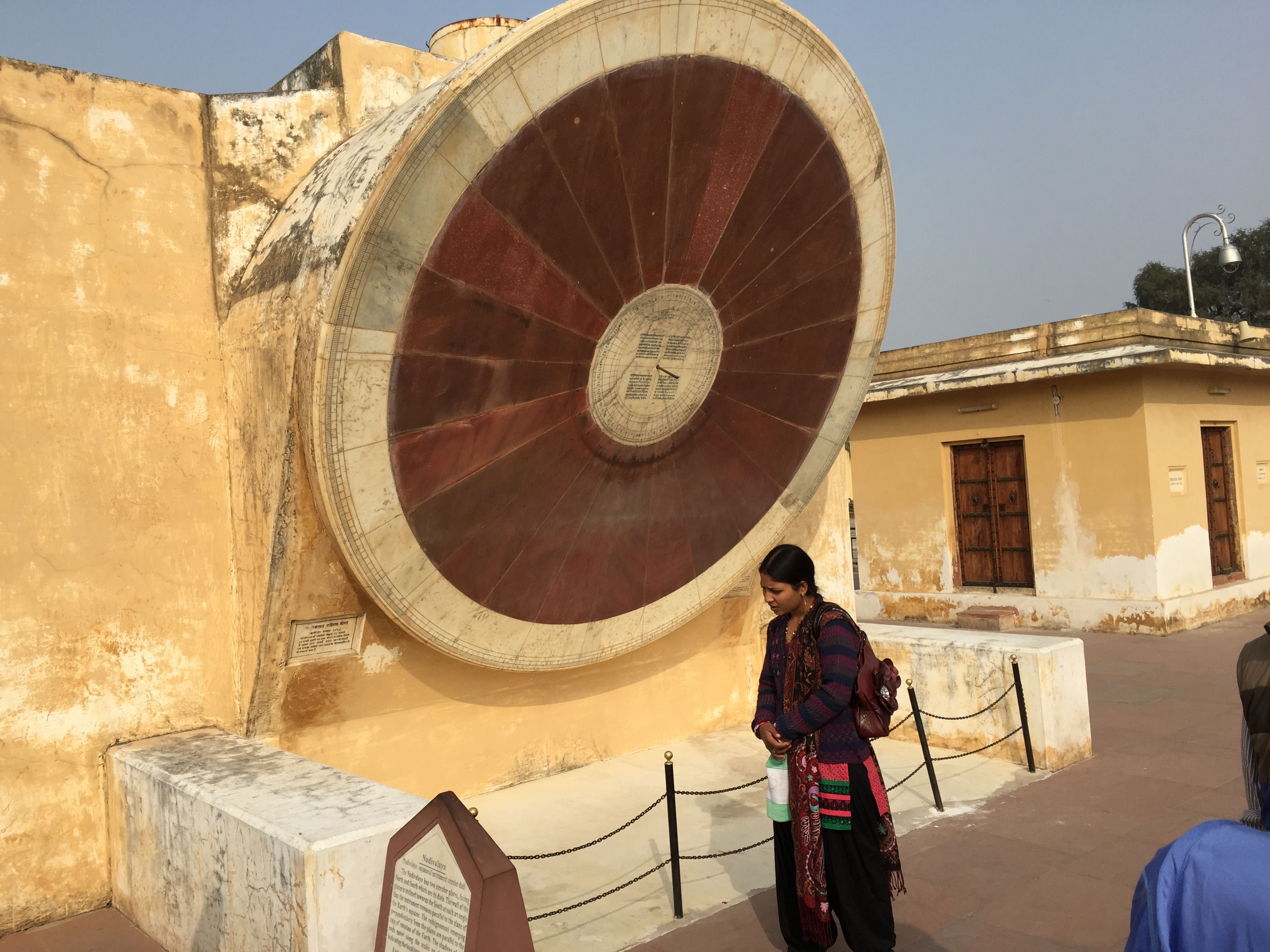
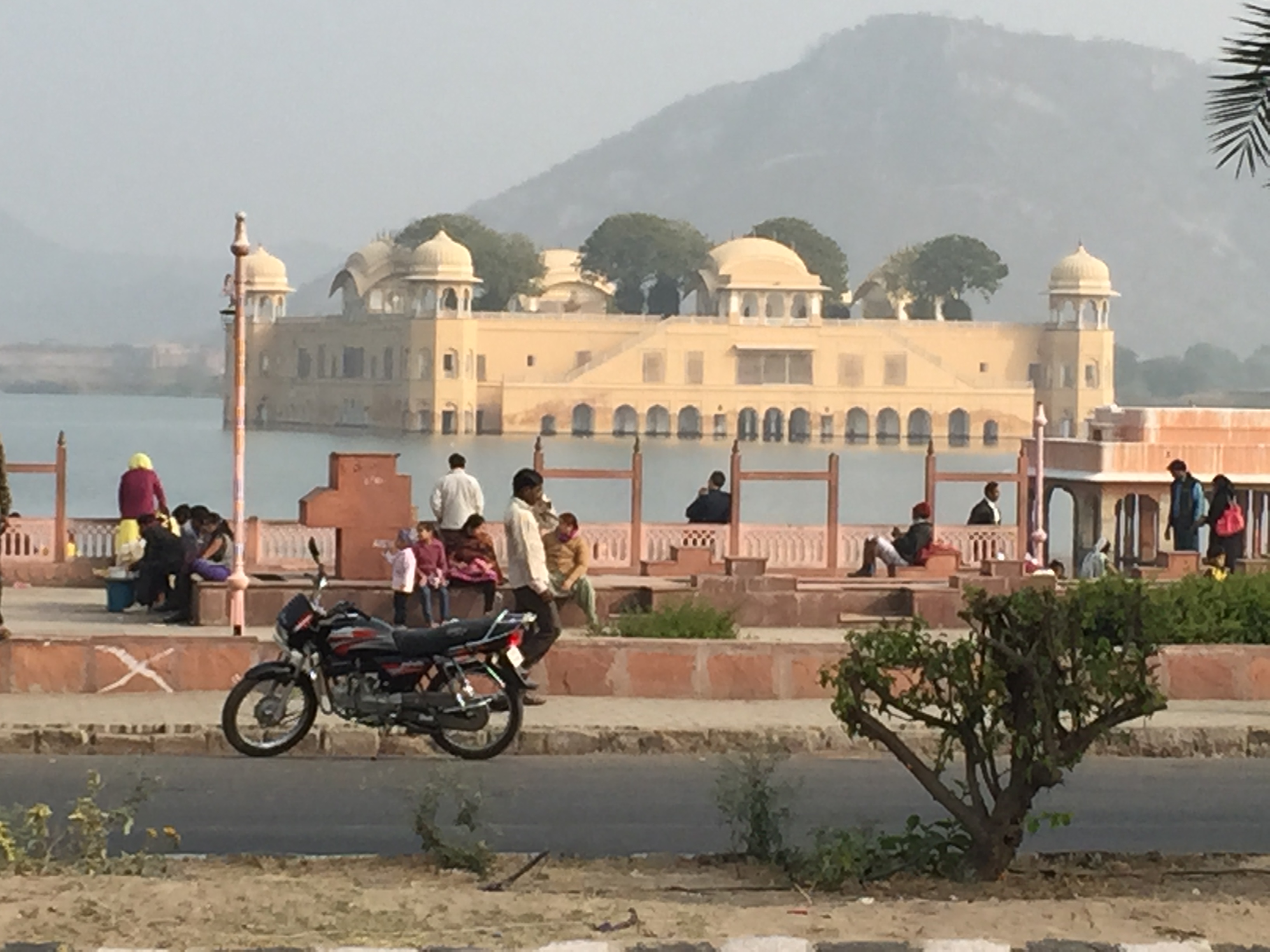
Oh, yes–the Palace, with the Observatory, a large outdoor plaza filled with astrological and astronomical devices (see one half of the sundial below) and, both coming and going to the Amber fort, views of the abandoned floating palace.

IMG_0236 IMG_0256

Dinner at the hotel where we waited for our miniatures to be delivered, because while the paintings were not inexpensive, they sweeten the deal by framing them on the spot for $30.  Irresistible.

A Small Gallery of Pretty Pictures

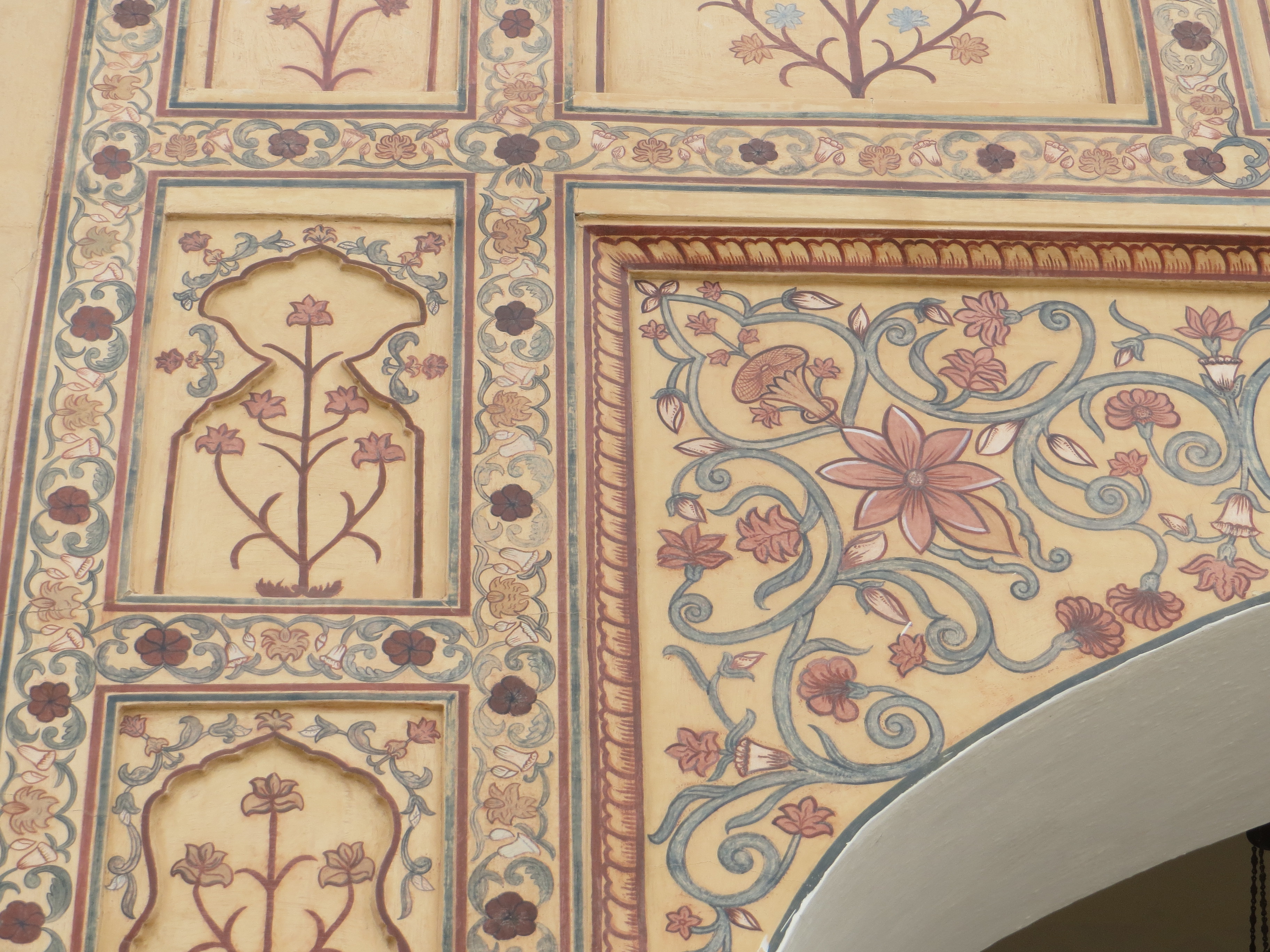
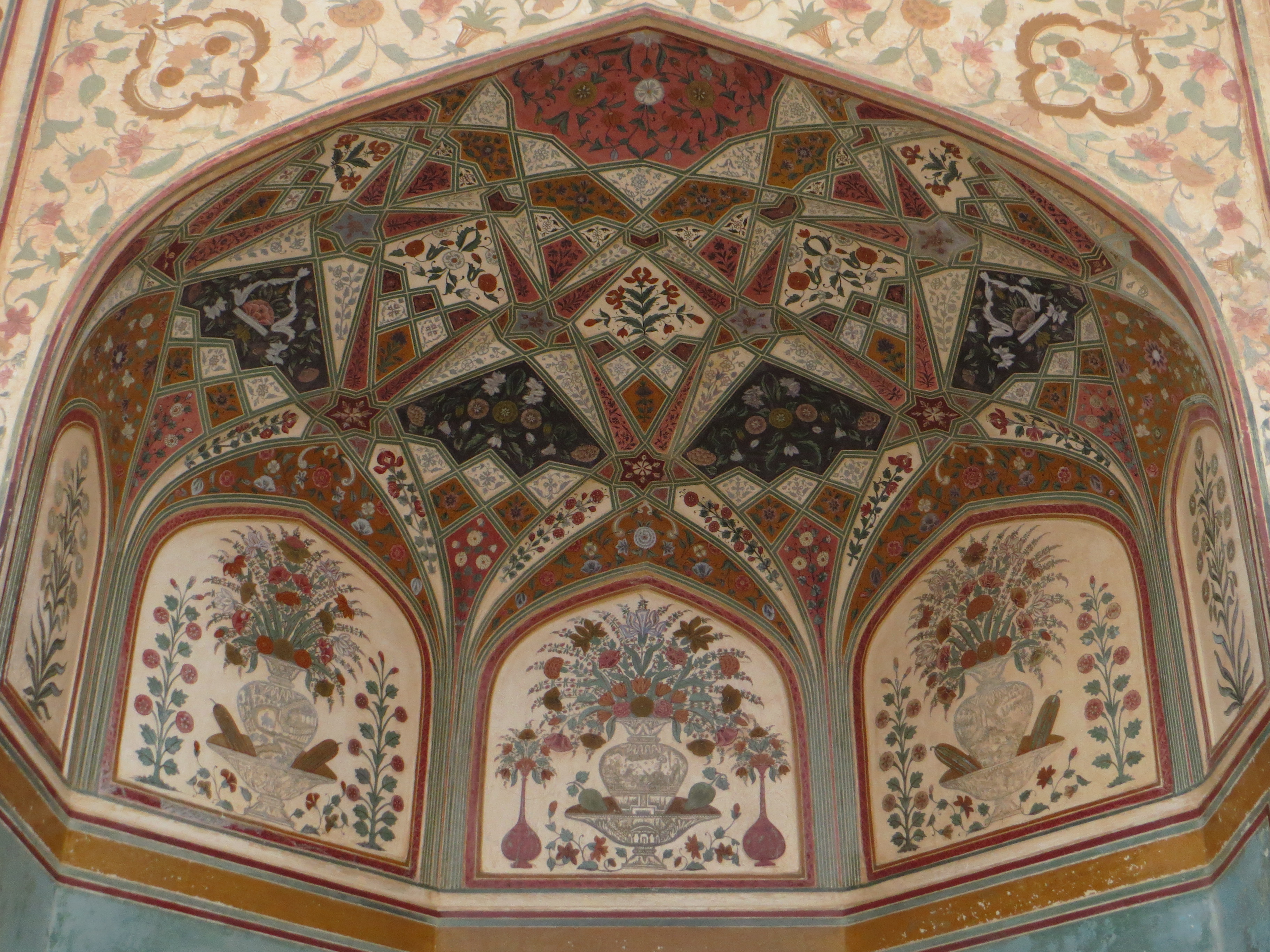
Below are several close-ups of frescos from the Amber Fort in Jaipur and the Red Fort in Delhi, and one marble inlay at the City Palace in Jaipur.  No people, no scenery.  Just pretty pictures.

From the Red Fort, Delhi:

IMG_0919 IMG_0912 IMG_0911 IMG_0910

From Amber Fort, Jaipur:

IMG_0198 IMG_0179

IMG_0967 IMG_0968 IMG_0971 IMG_0980

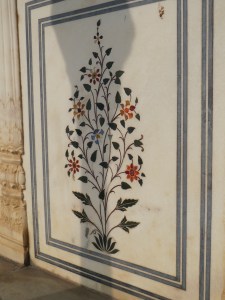
.IMG_0986This one is from the City Palace in Jaipur.  Inlay, not fresco.