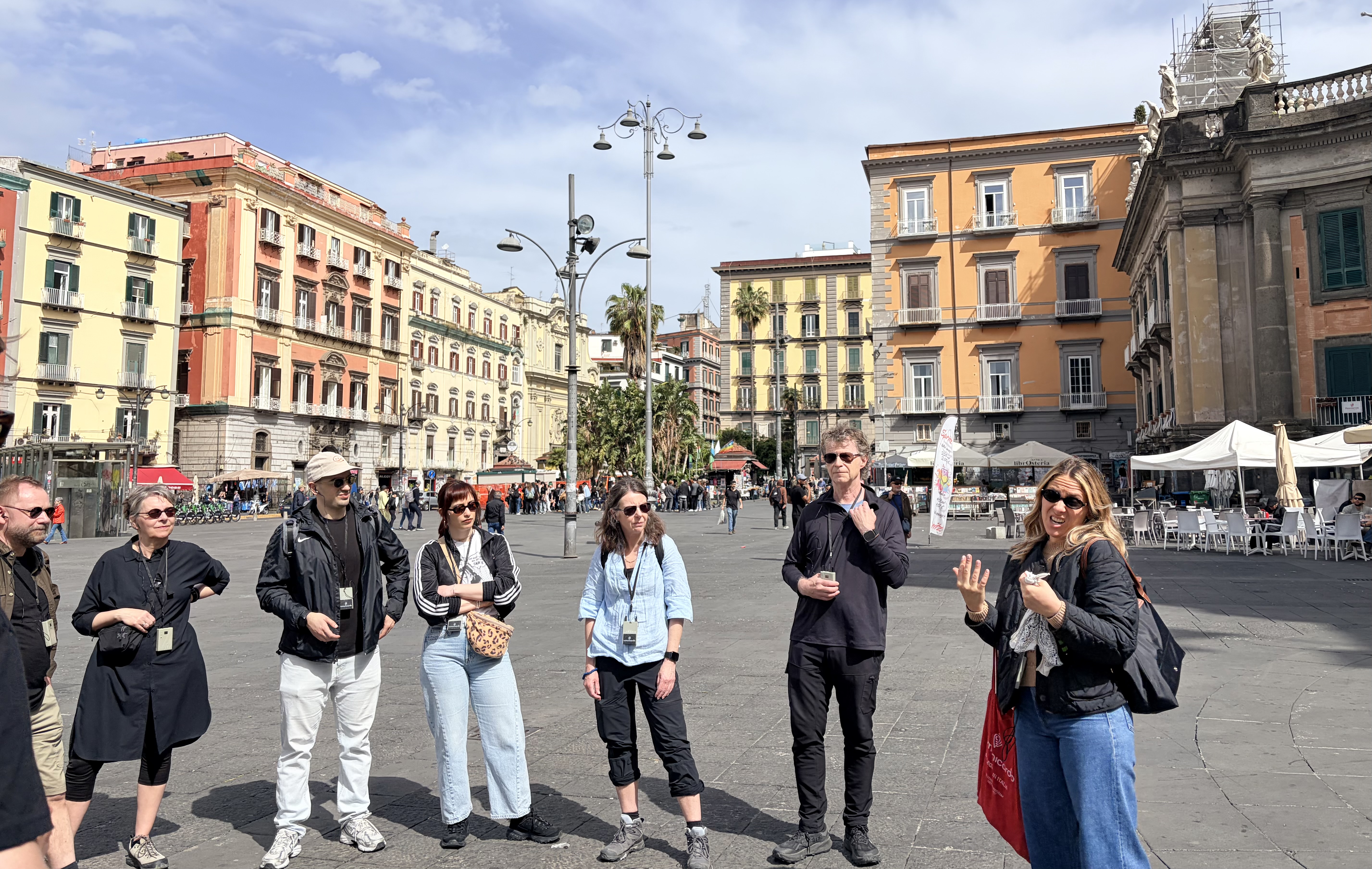
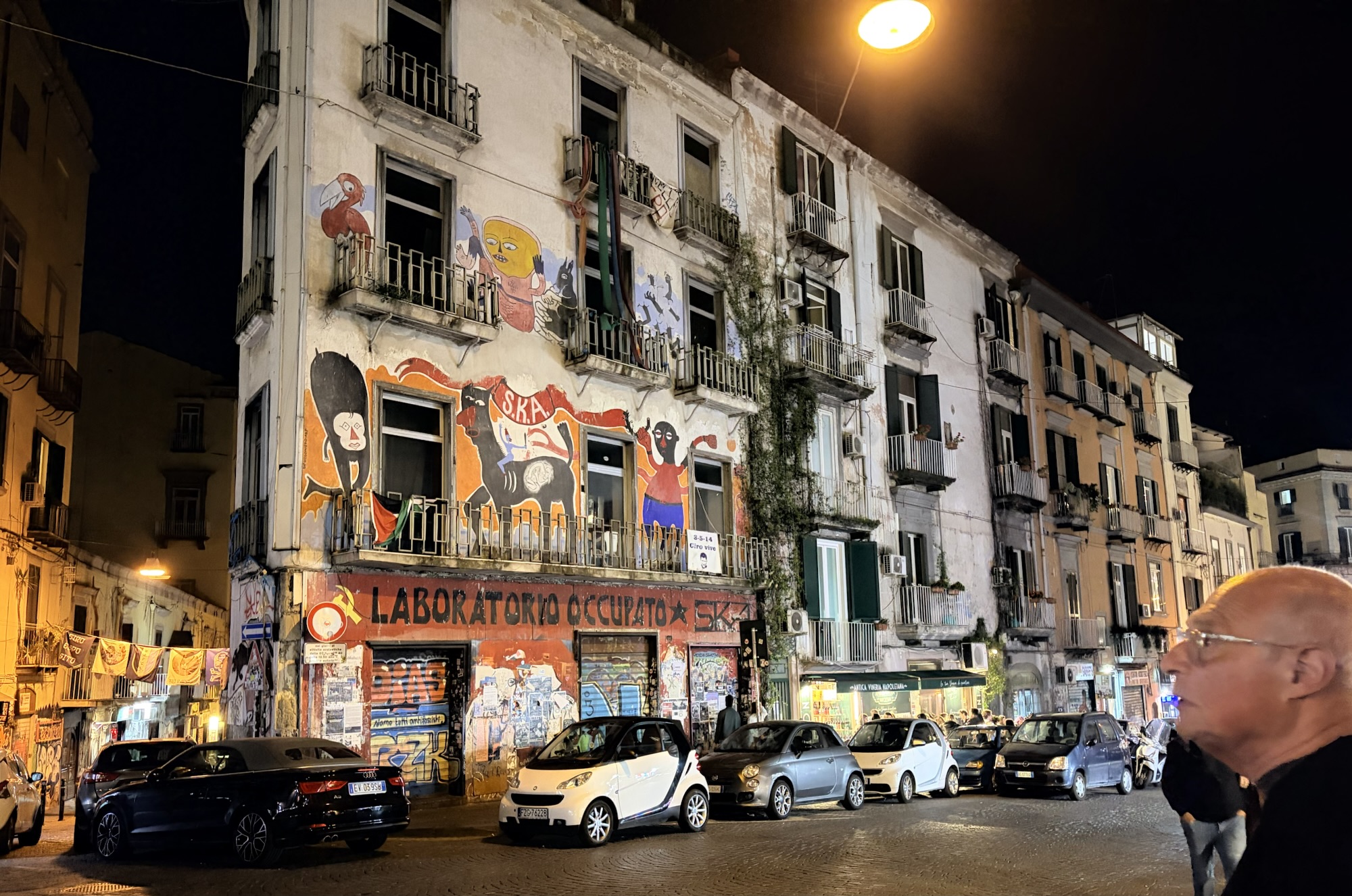
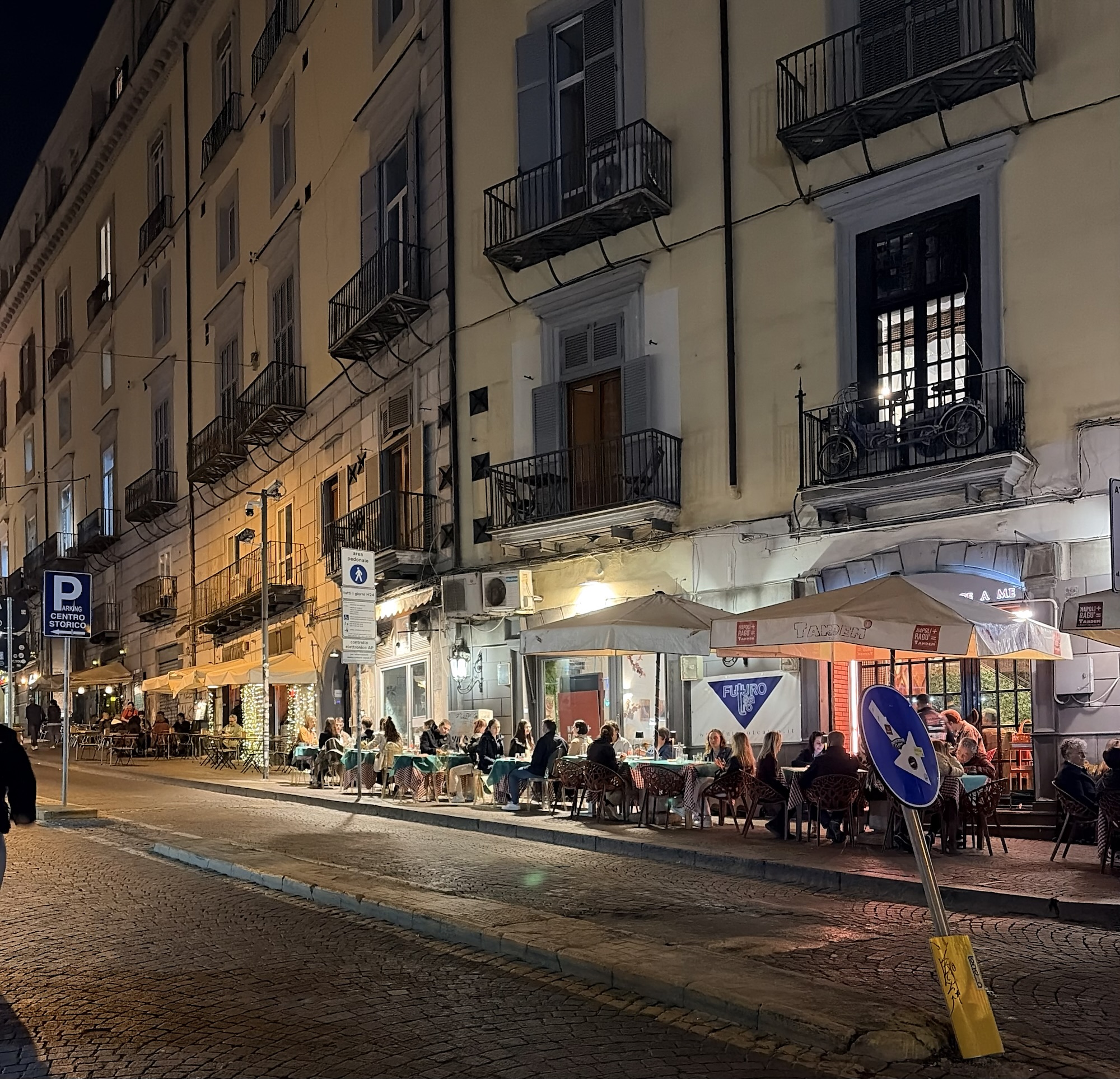
When we booked that great and cheap train from Roma to Napoli it came with an option to register for a free walking tour of centro storico (free walking tours entail only a requested tip, usually €10, and our experience with them is very good). It started at 10 on our last day and we weren’t so enthusiastic but it was really worthwhile. We learned about a lot of stuff we could have done in the city if we were there longer than 3 1/2 days. Our guide, born and raised and in love with the city, opened our eyes to more of its charms and of course of its history.
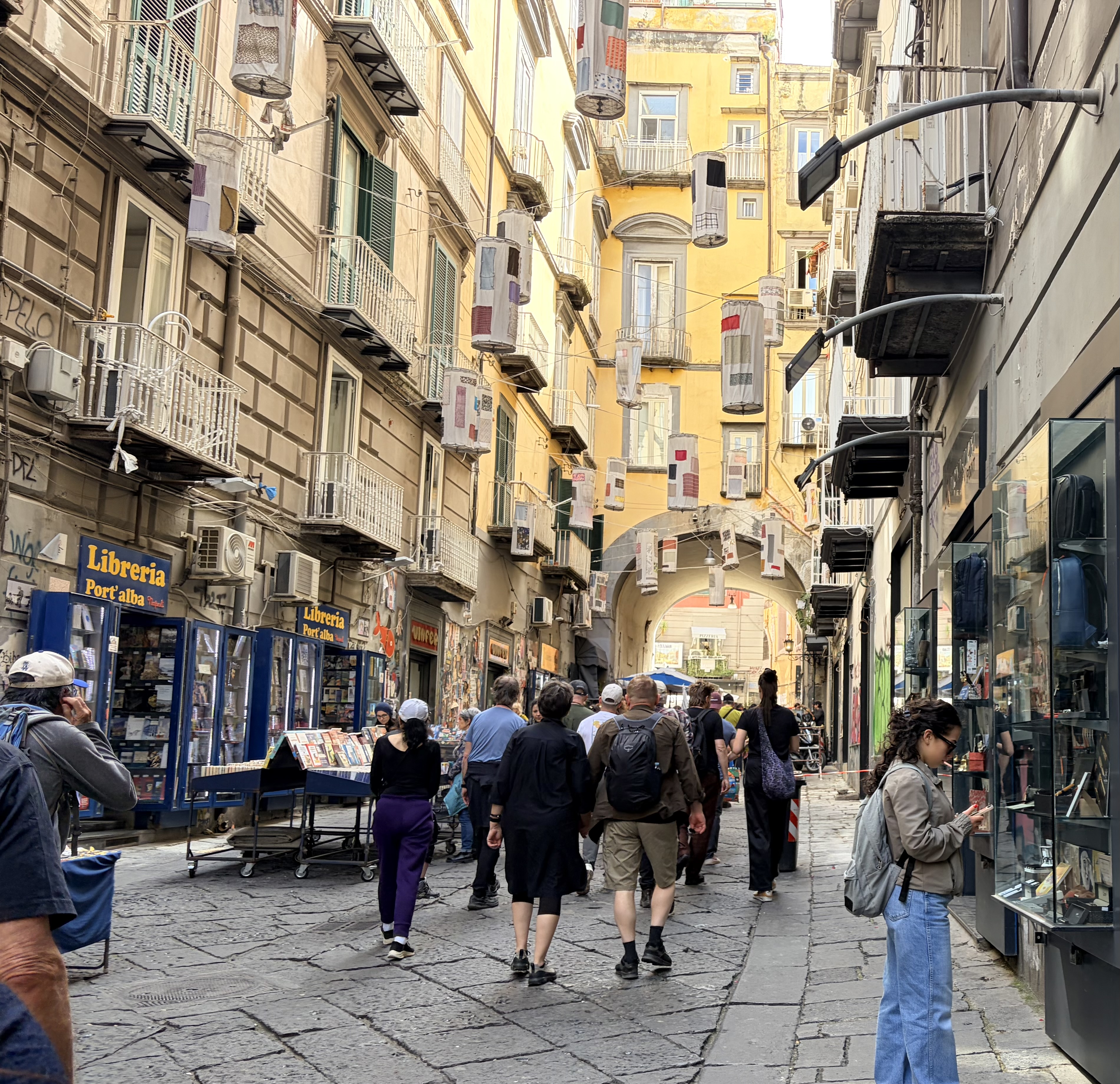
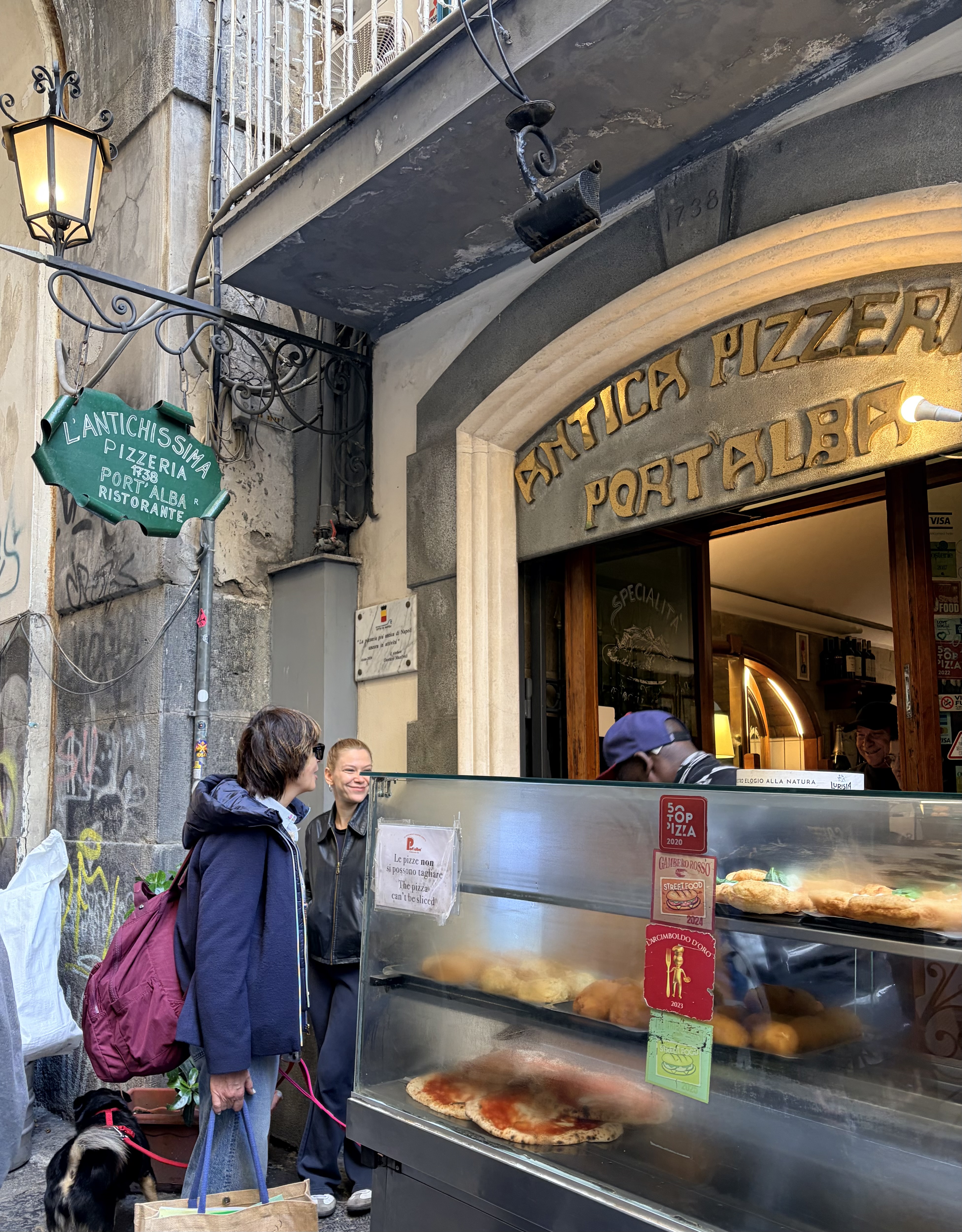
The ancient gate to the city.THE first pizzerria, still operating.
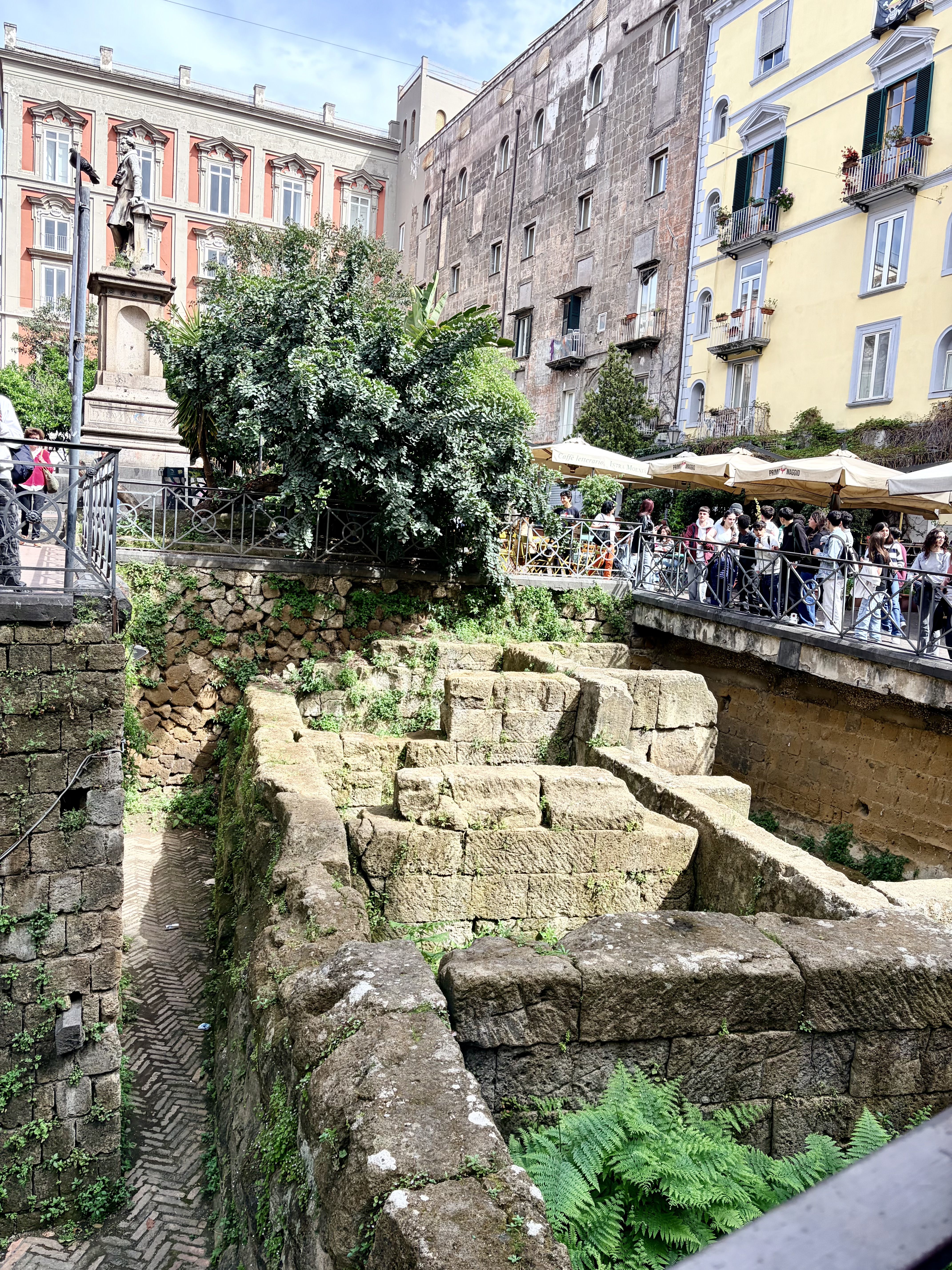
I tried to take photos whenever I especially enjoyed her explanations but there was so much more. For example, she explained that housing in Napoli was dominated by working class “basso” apartments; ground floor one room accommodations that entire families shared. When they wanted more space the only direction available was down, a project often stymied by encountering ancient structures. She showed a photo of a narrow street interrupted by a small amphitheater revealed when the occupants tried to add a basement.
Random excavation in the middle of a piazza.
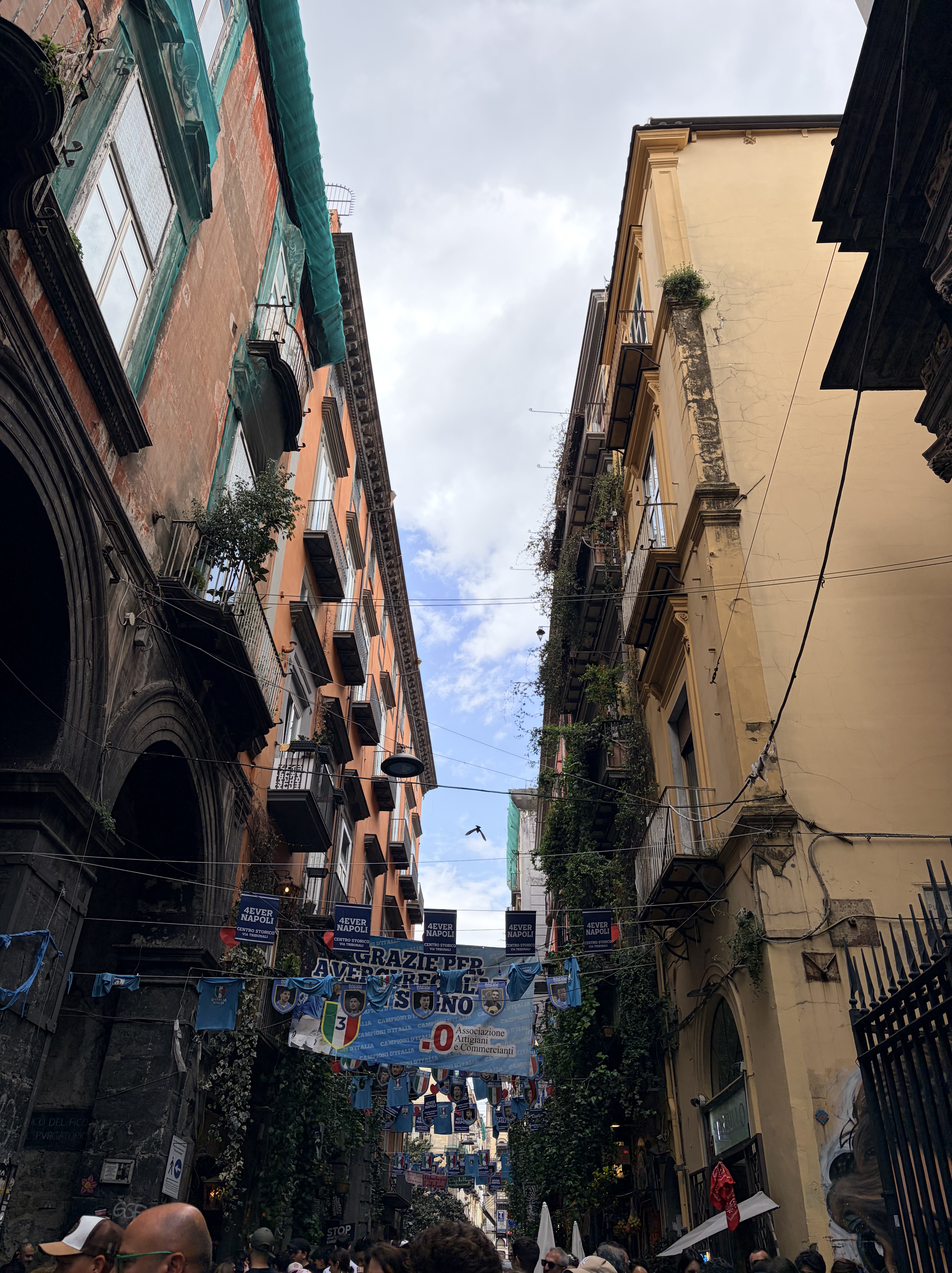
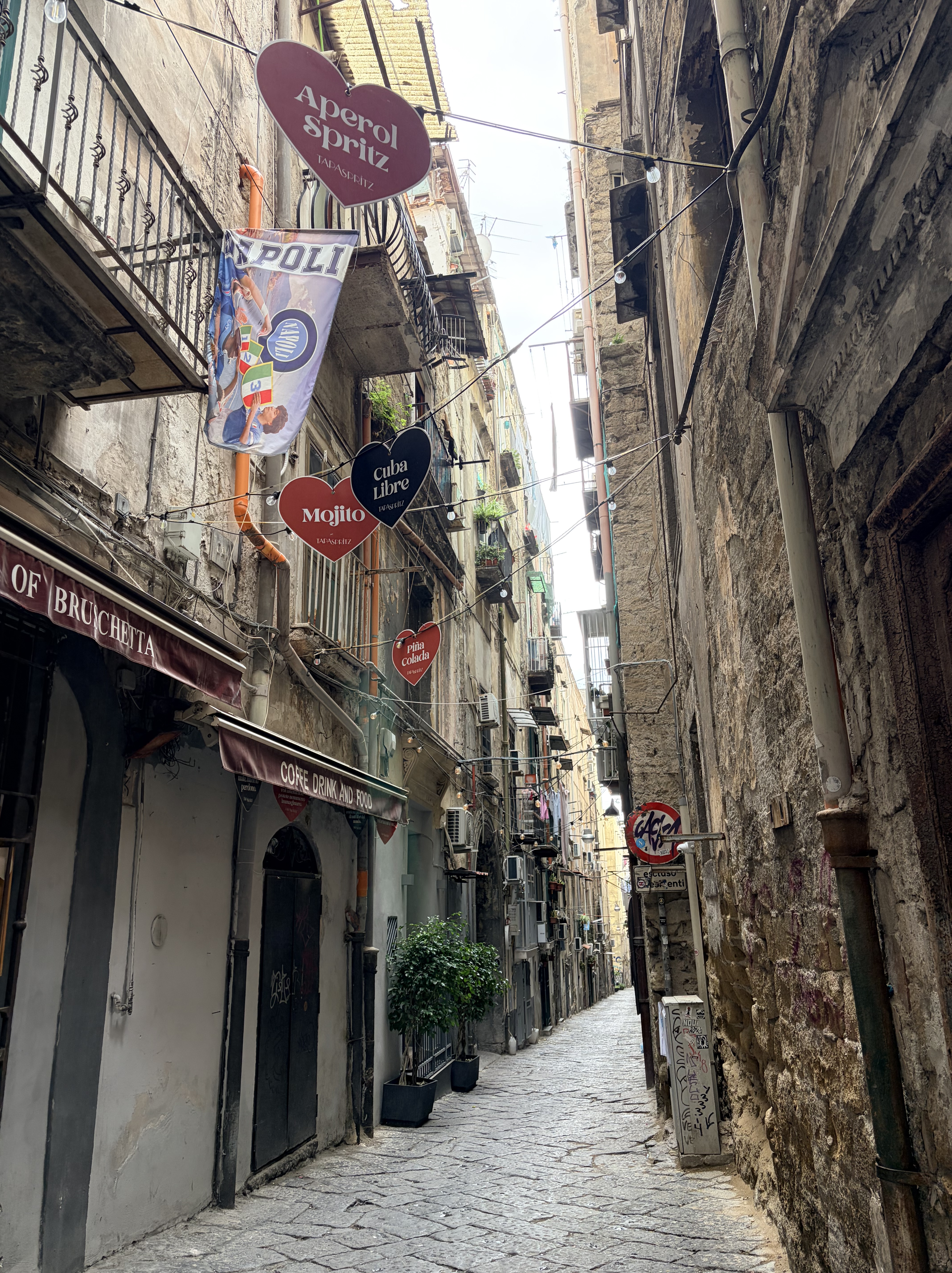
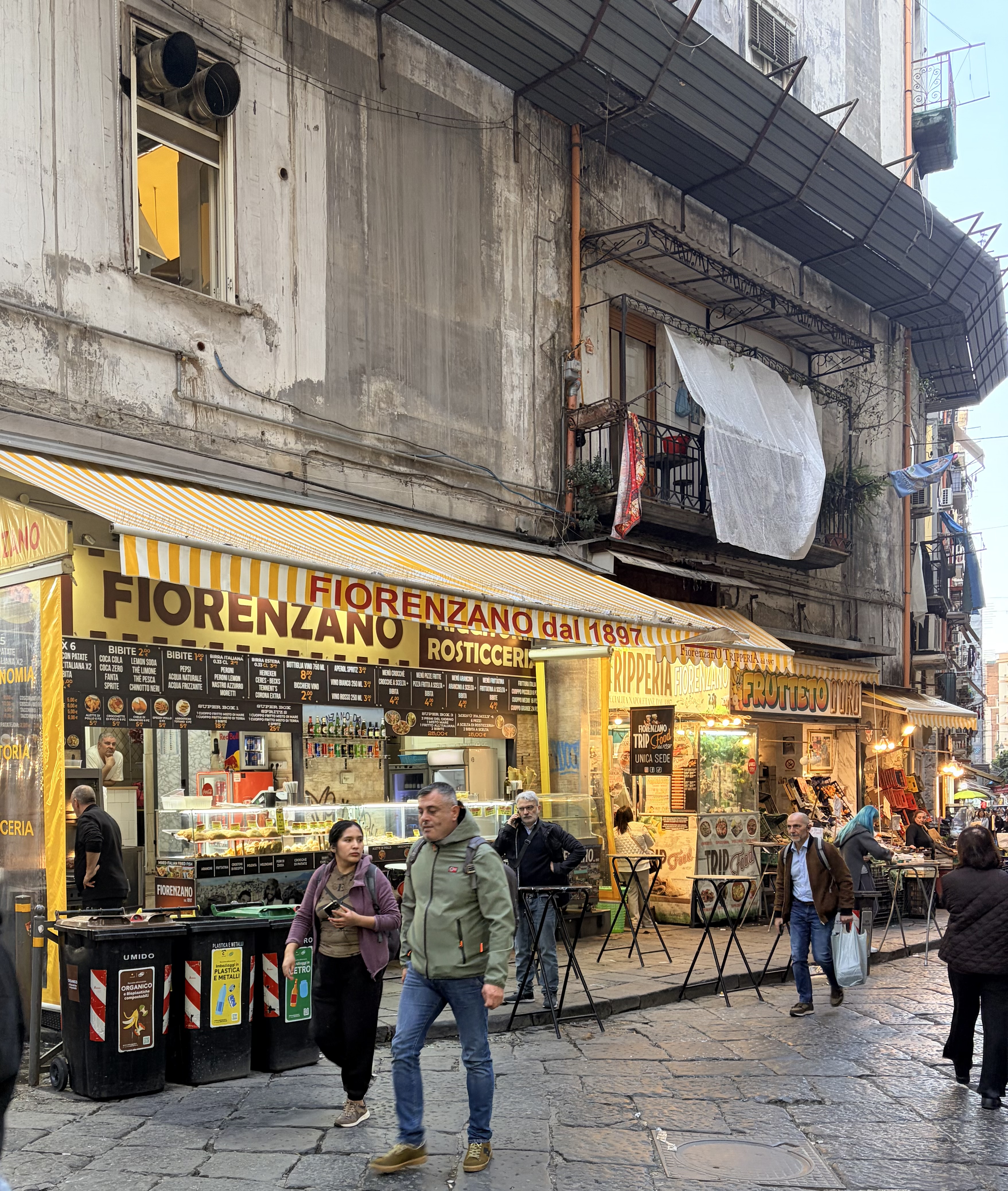
As we walked deeper into the areas filled with tourists the noise level climbed from loud to very loud, interrupted by clusters of students (college?) yelling and chanting encouragement as a guy paid to have a foaming lemon soda (must be alcoholic) into his open mouth. Ugh. Our guide said she hoped someday it would be outlawed and we agree. In spite of the chaotic situation we pressed on, down tiny narrow commercial streets I could never find again, many selling locally made nativity components. She said the Christmas time holiday used to be December 7 when families brought out their nativity scenes. When you move out of your parent’s home you begin to collect your nativity items, growing and personalizing them year by year. Napolitanos like our guide rue the change to Christmas trees and December 25 celebrations.
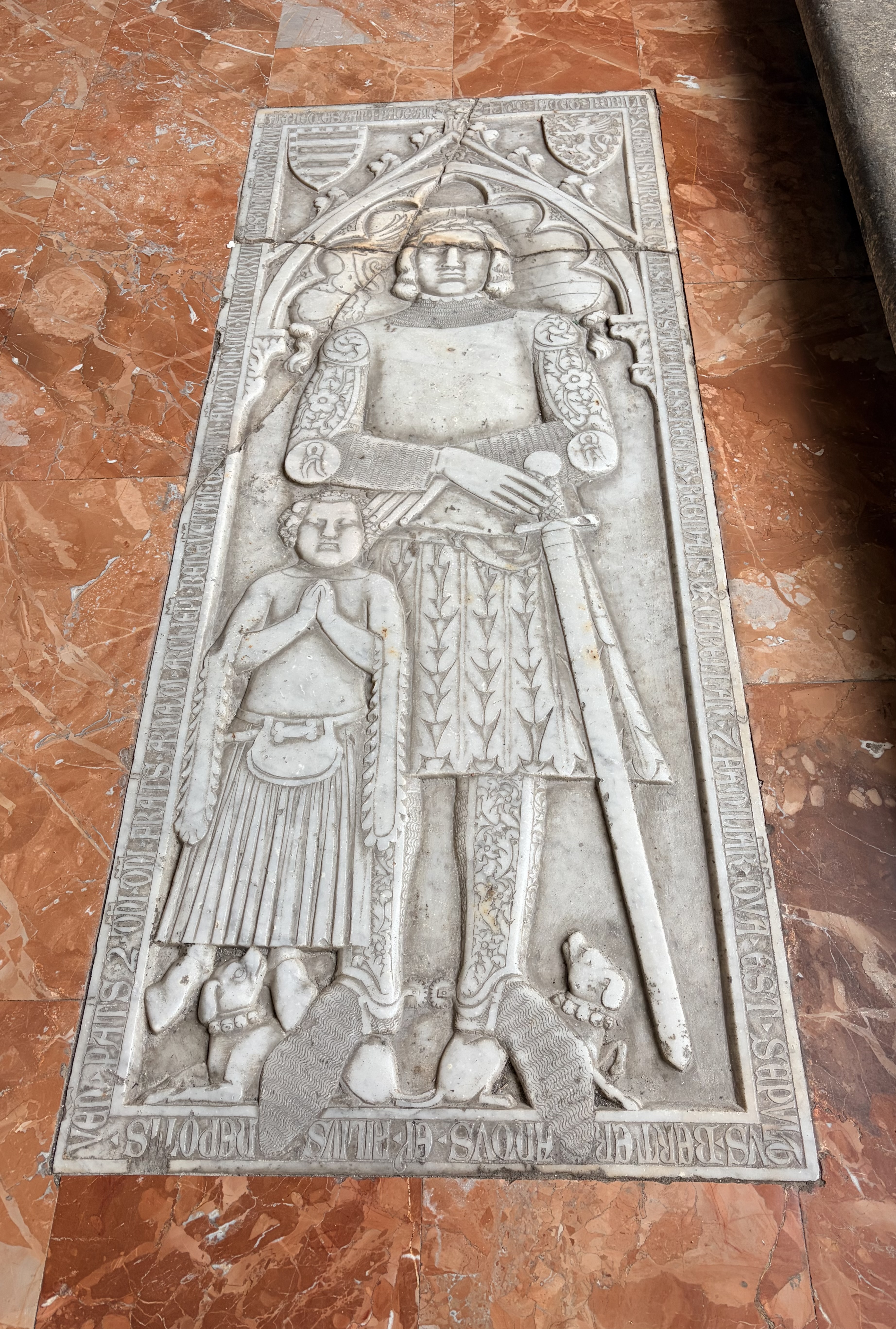
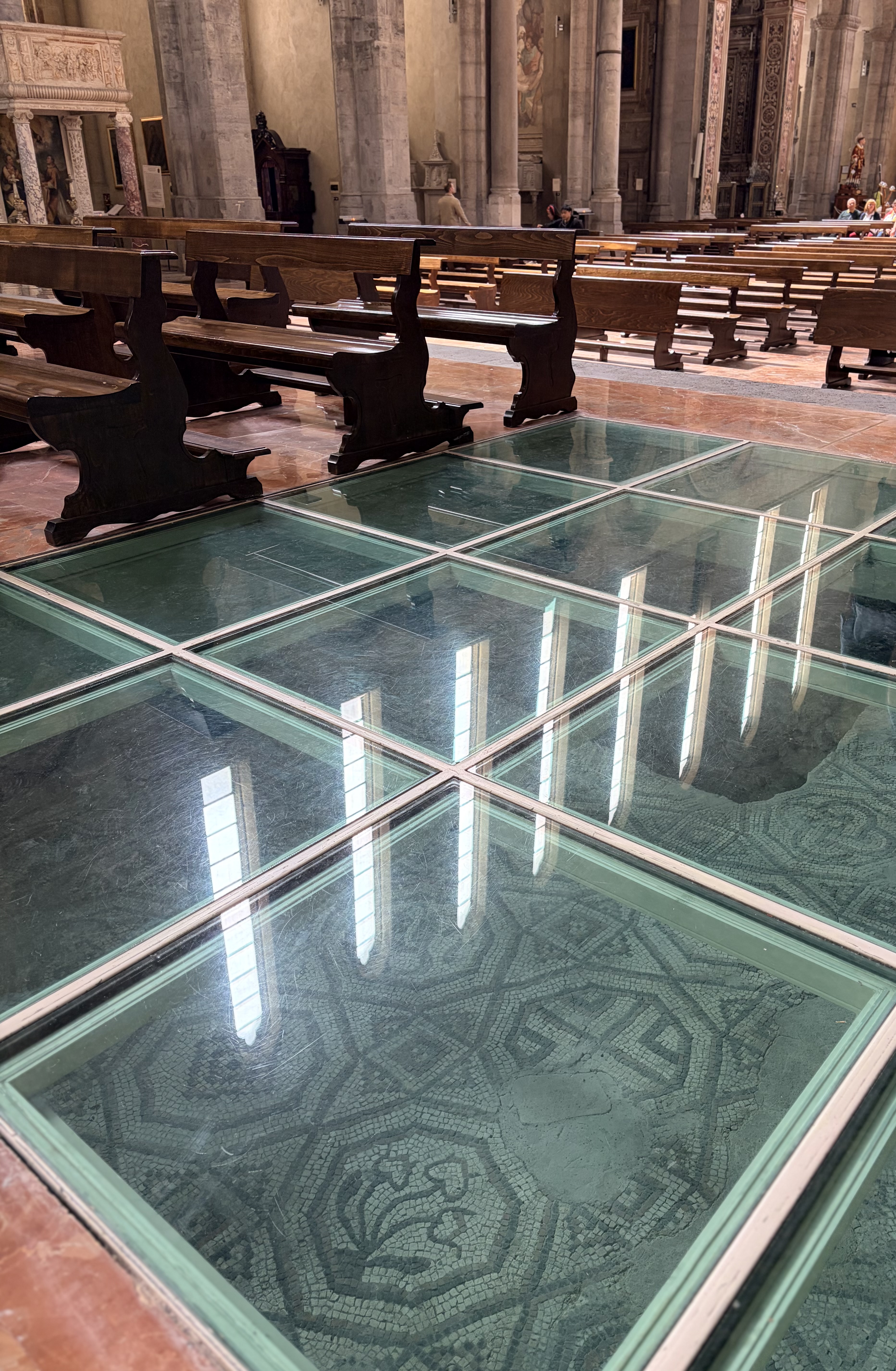
Such old things…this in the floor of a church./This church has glass over an old Roman building—mosaics!
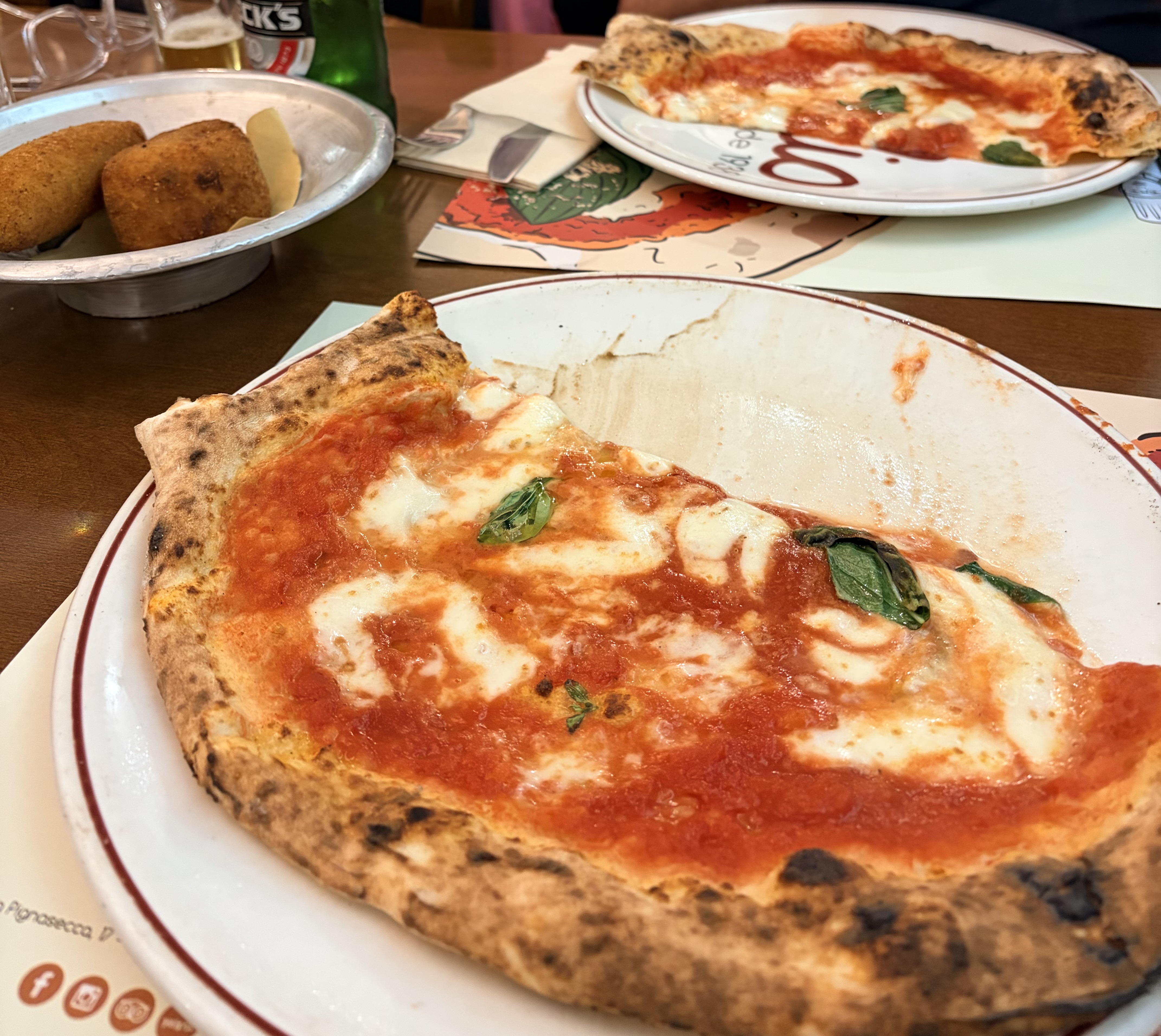
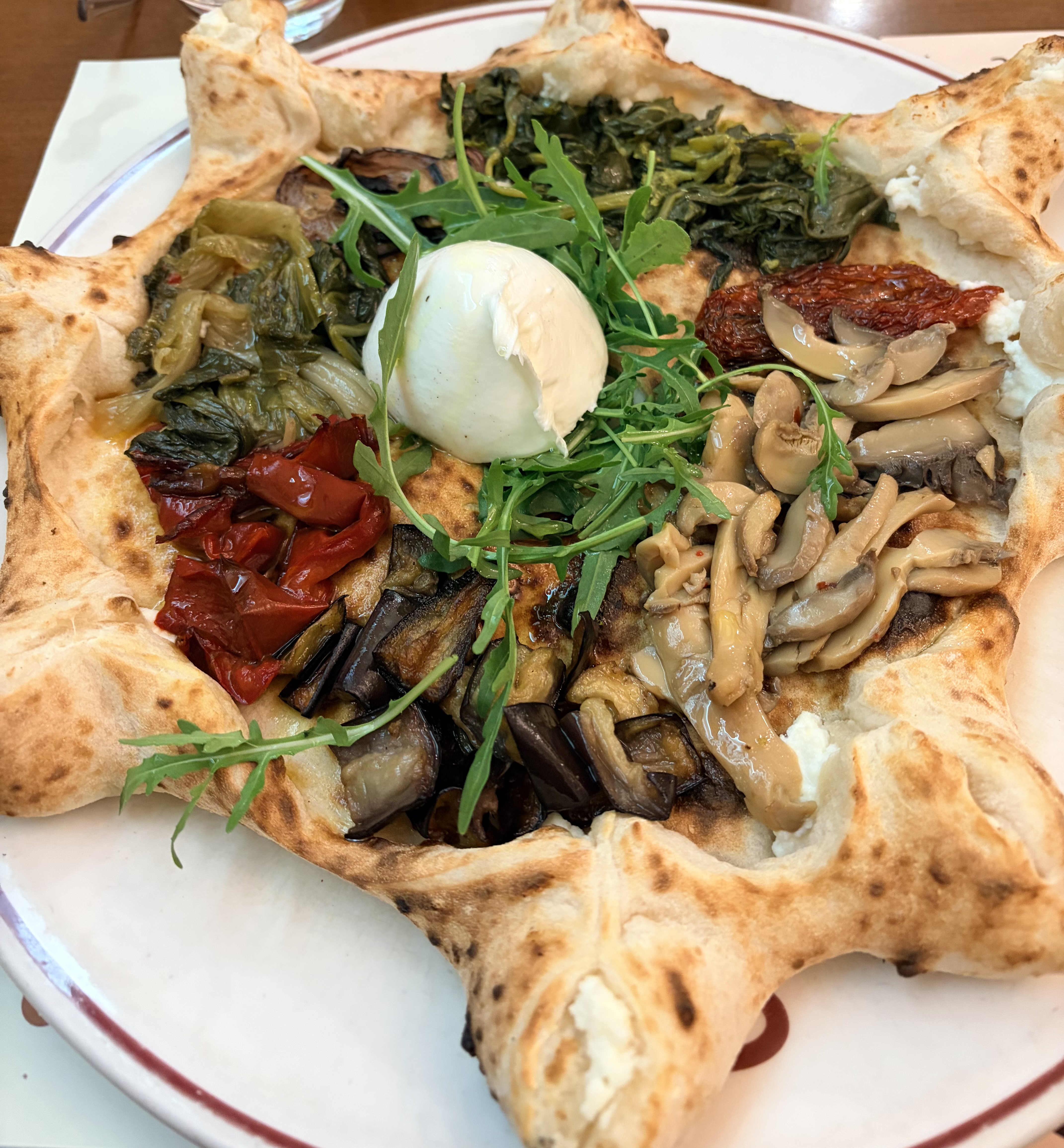
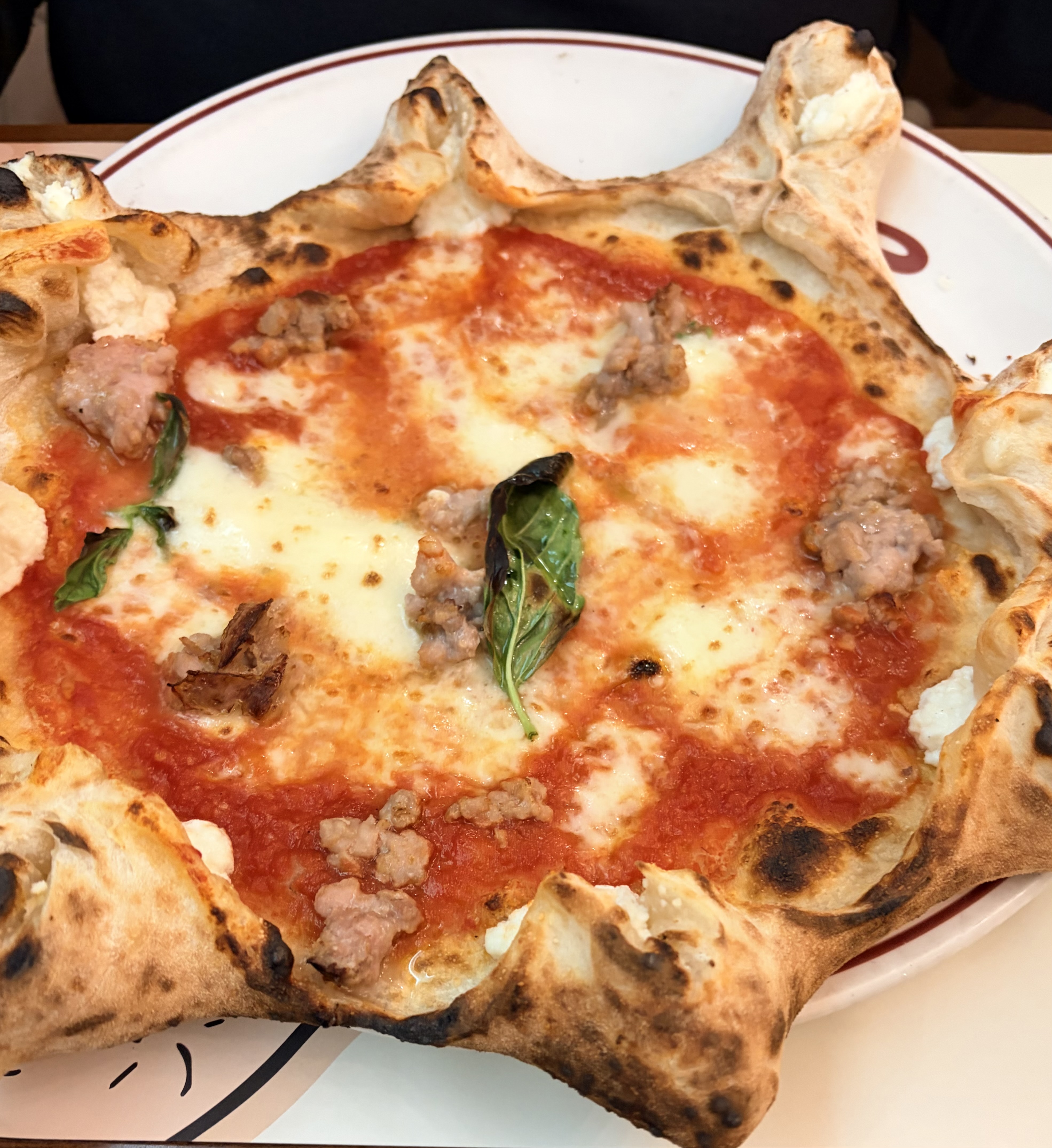
After 2+ hours we had finished, and we asked her for a pizza recommendation. She suggested we walk straight up the street to the market area and find Pizzaria Alitto. We did, we loved it, and returned for our last dinner—twice in one day!
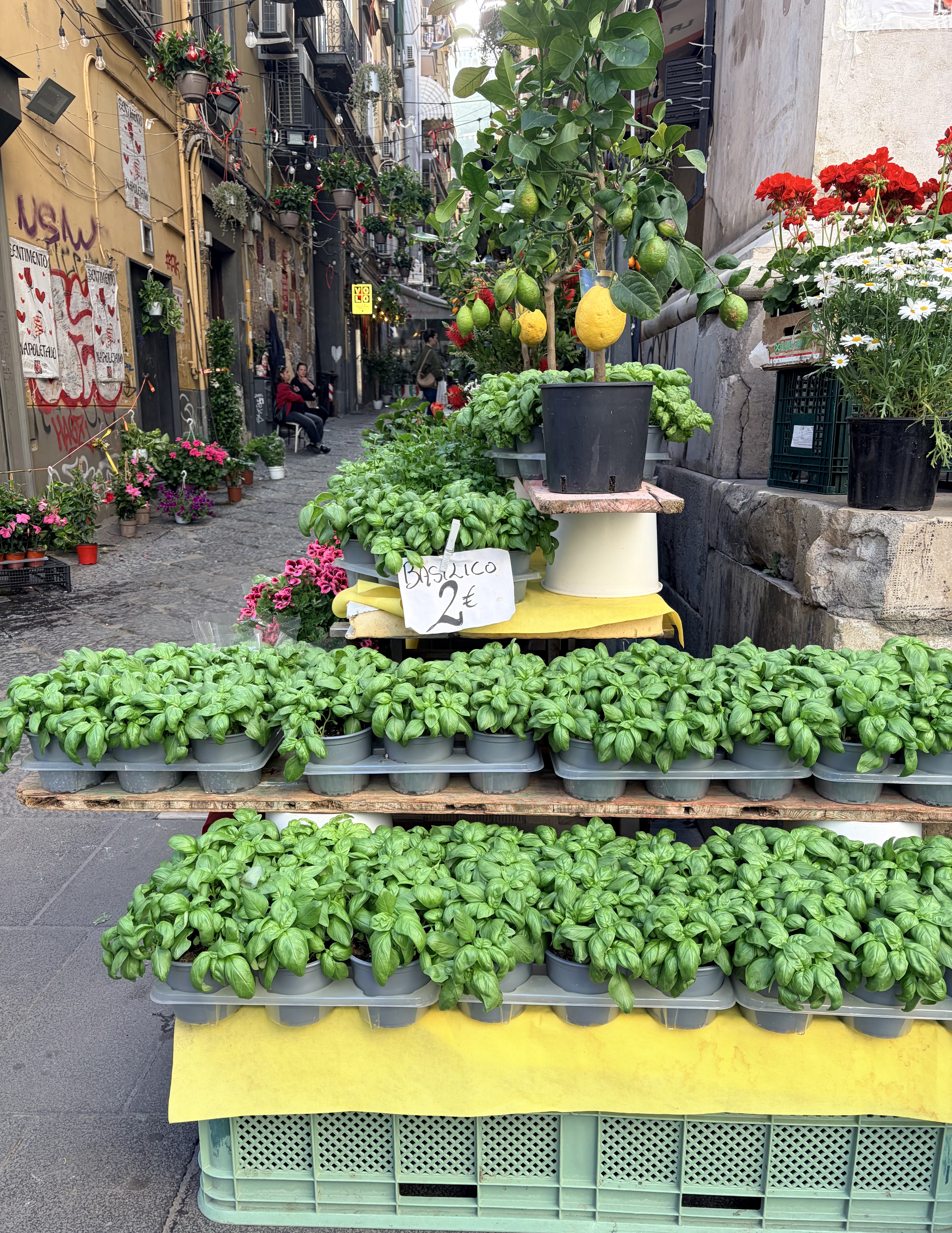
Our lunch pizza was the standardNeed basil?Long standing fast food standEvening pizzas were star pies…the points are filled with ricotta
This morning we left, some anxiety about flights and a new airport and security on our minds.
We booked Easyjet. What a lovely airline! And the Naples airport is modern, all in one terminal, organized and plenty of good coffee alternatives. We left on time, there was ample luggage space on board. Officially my favorite airport in the world.
After four hours at the archeological museum we felt a bit over-prepared for our visit to Pompeii. Assuming we’d be well acclimated to Italy, over any jet lag, and sleeping well we had booked a 9am start for a 3 hour tour with a professional archeologist as our guide. This meant getting up quite early, hopping the Metro to Garibaldi Piazza and station, finding the local Circumvesuviana train to Pompeii, and amazingly everything went perfectly. We even made a friend on the train, an American now living in Portugal, in Naples for a conference and winding up her stay with a trip to Pompeii. She now helps people relocate to Europe. I have her card in case, well, you know.
The first two hours of the tour were in a group of about 12; the last hour, to the Villa dei Misteri, a relatively recent excavation outside the walls of Pompeii, was just us and a very nice couple, young men from Mexico who were so totally engaged I asked if they were archeology students. No, just fanatics like us.
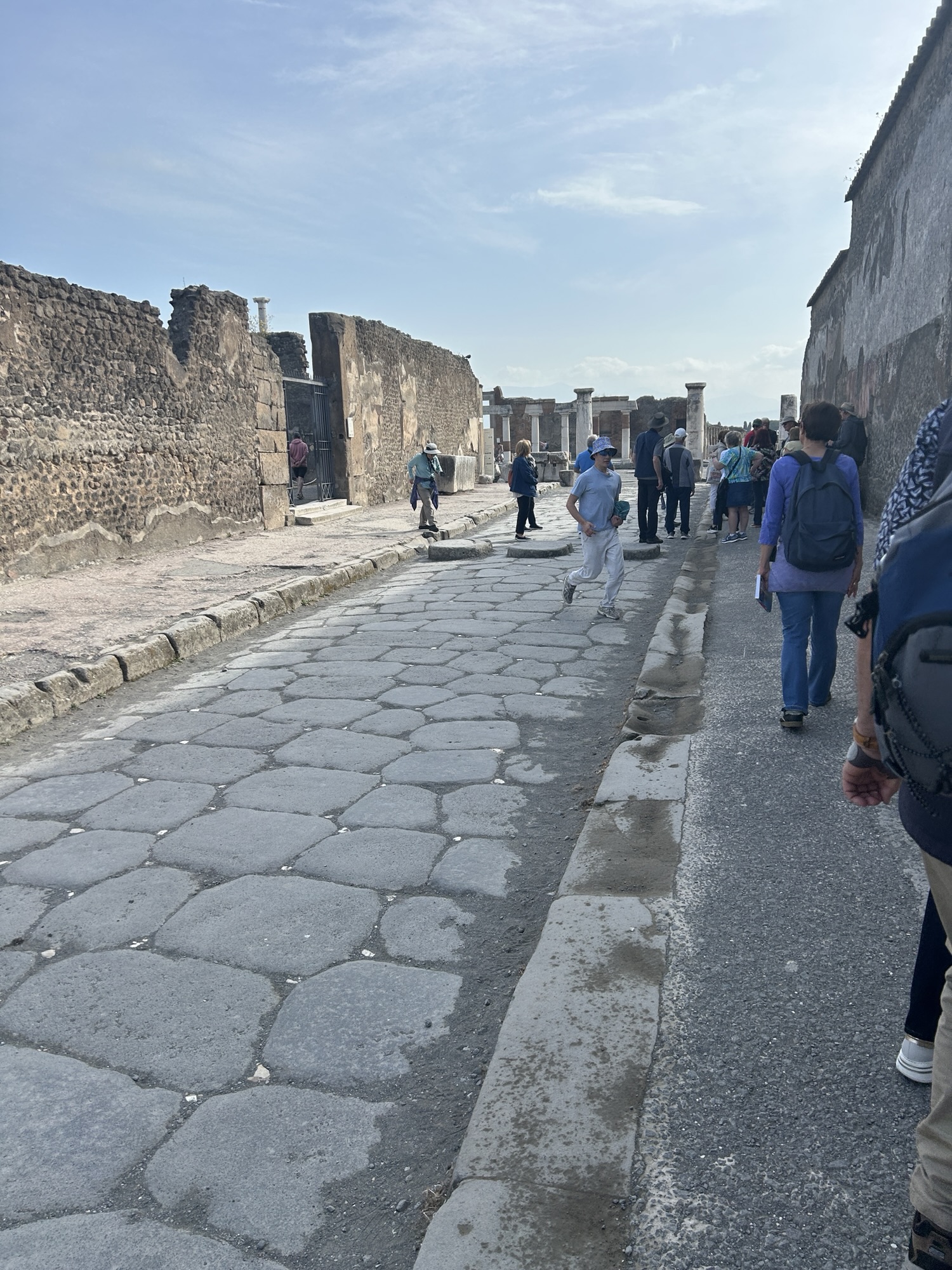
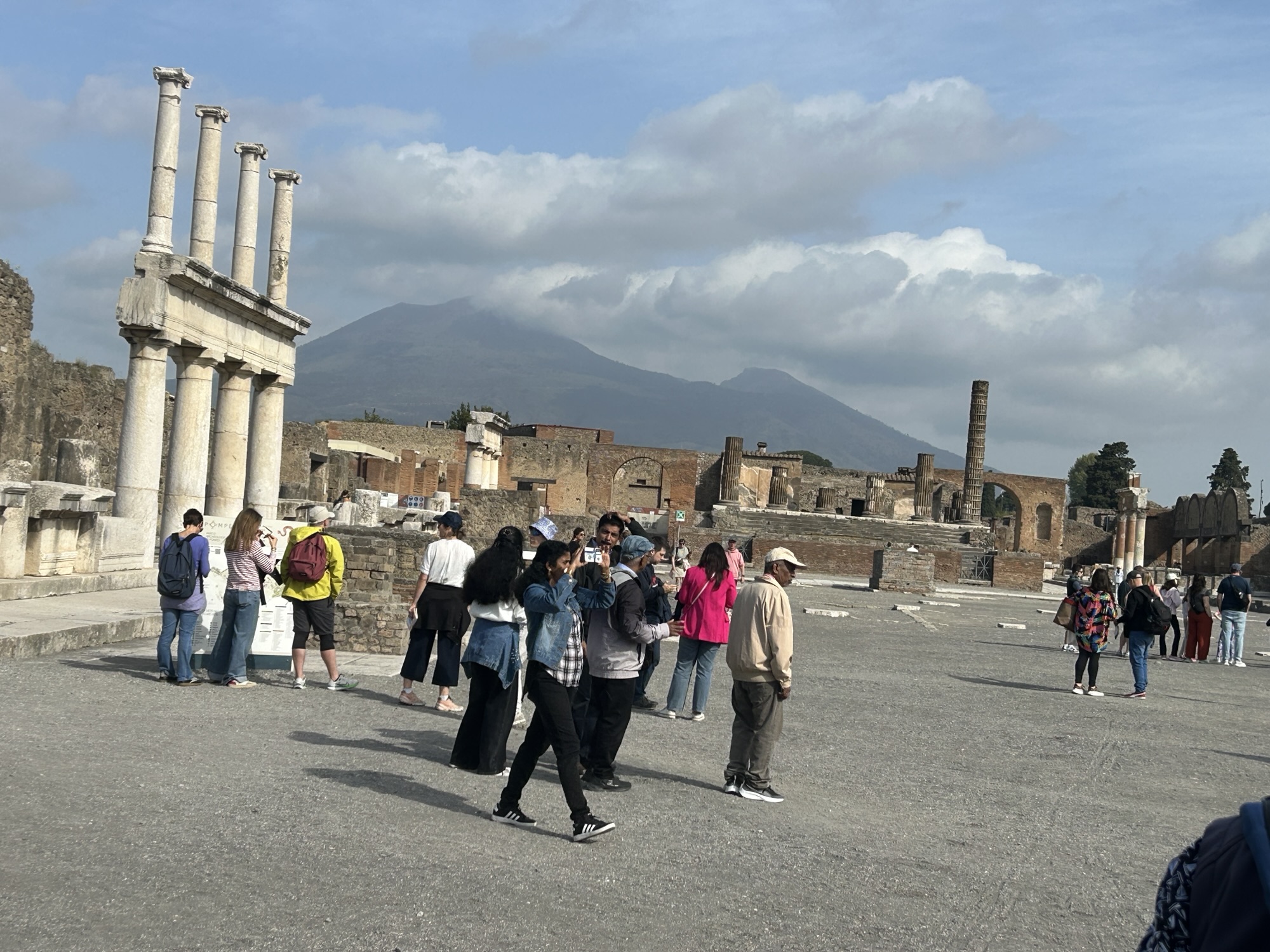
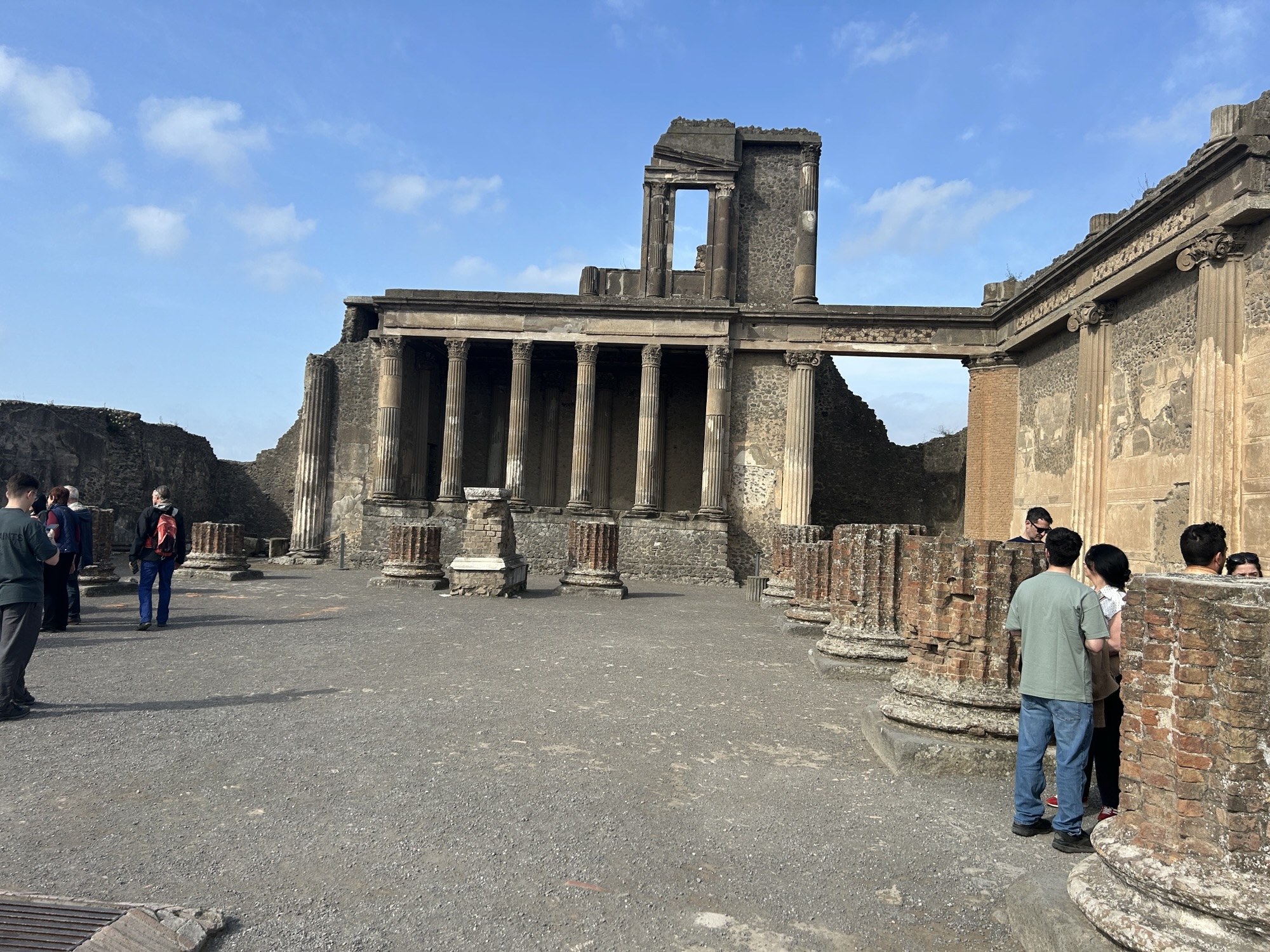
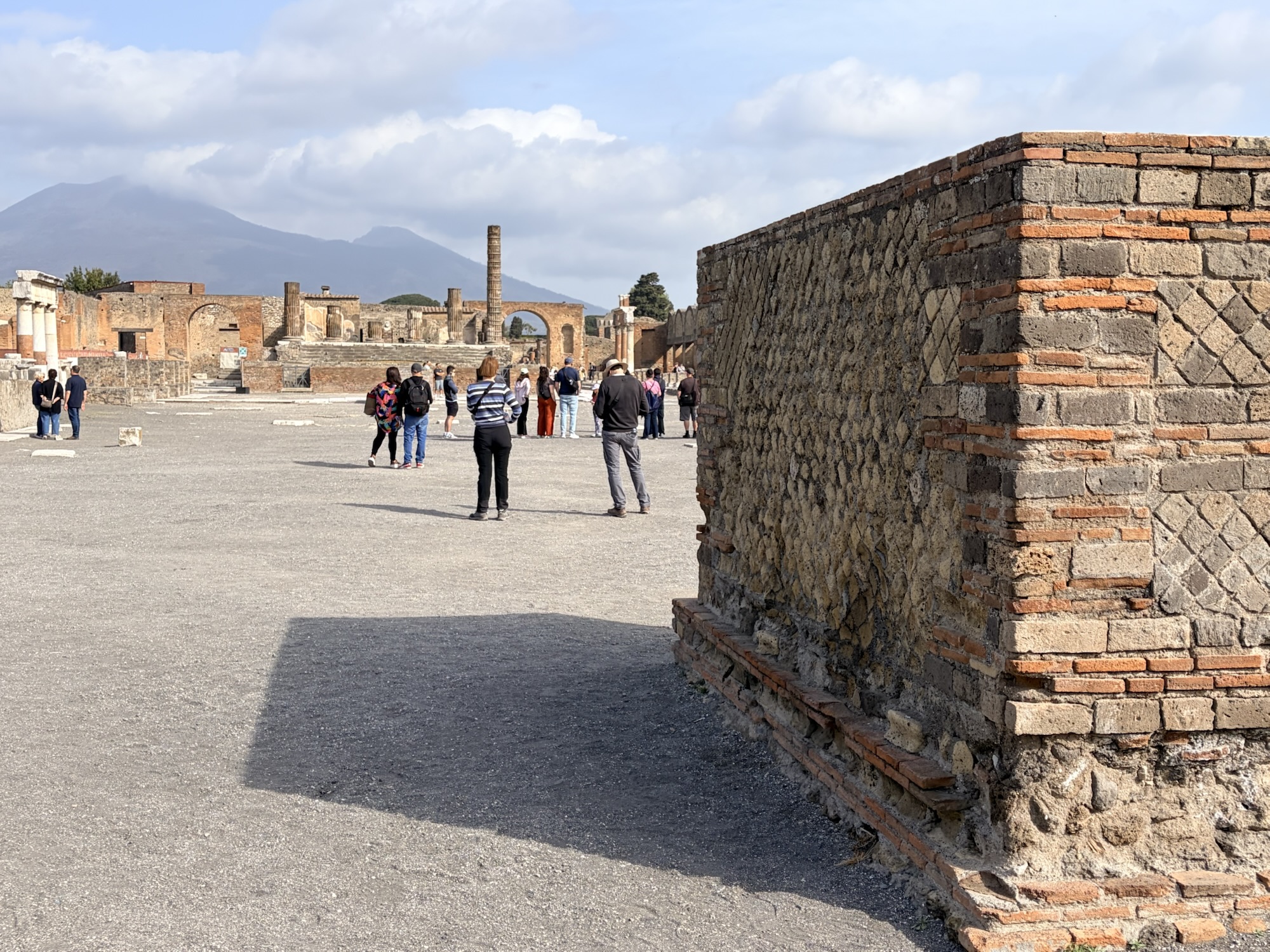
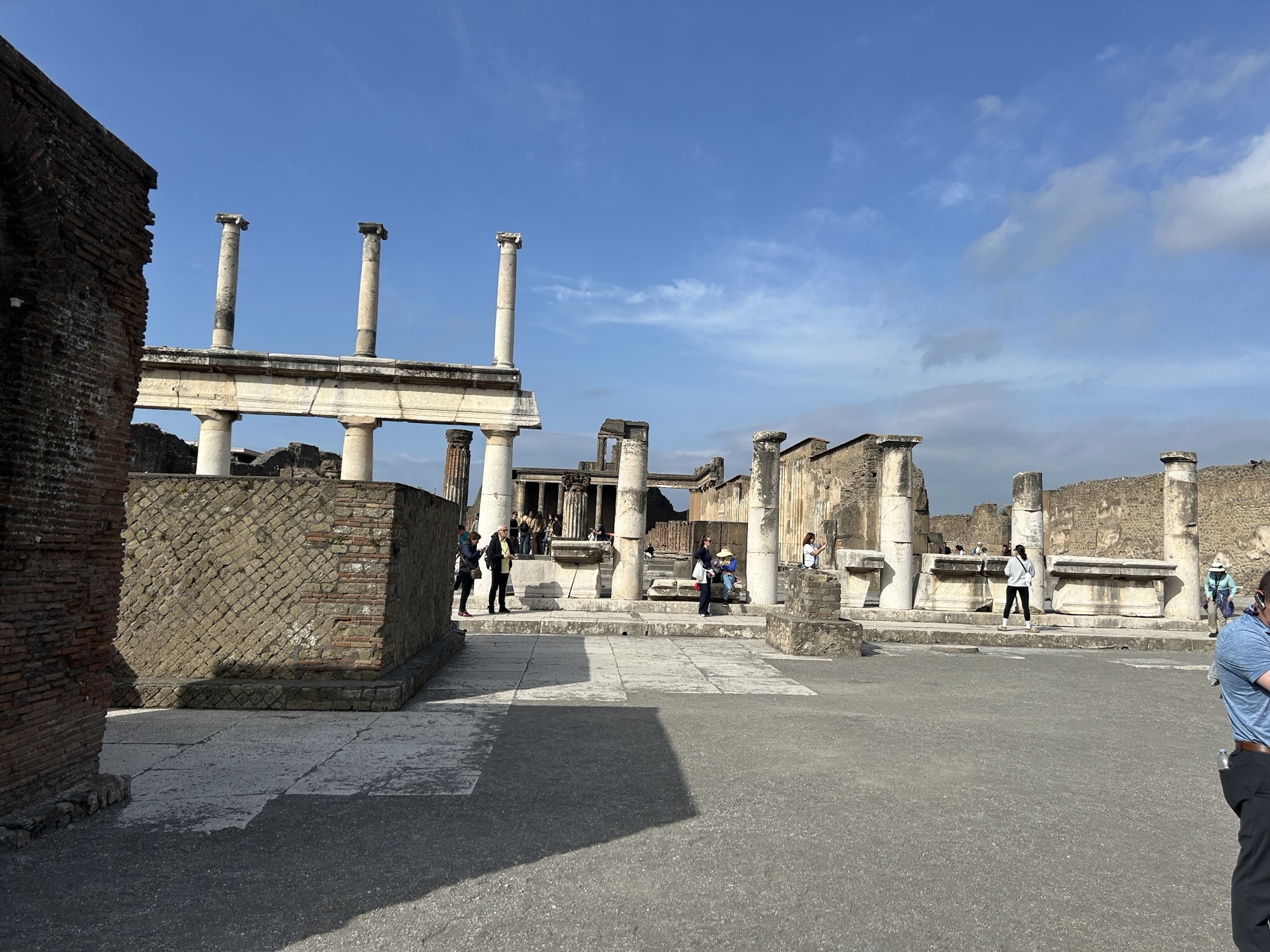
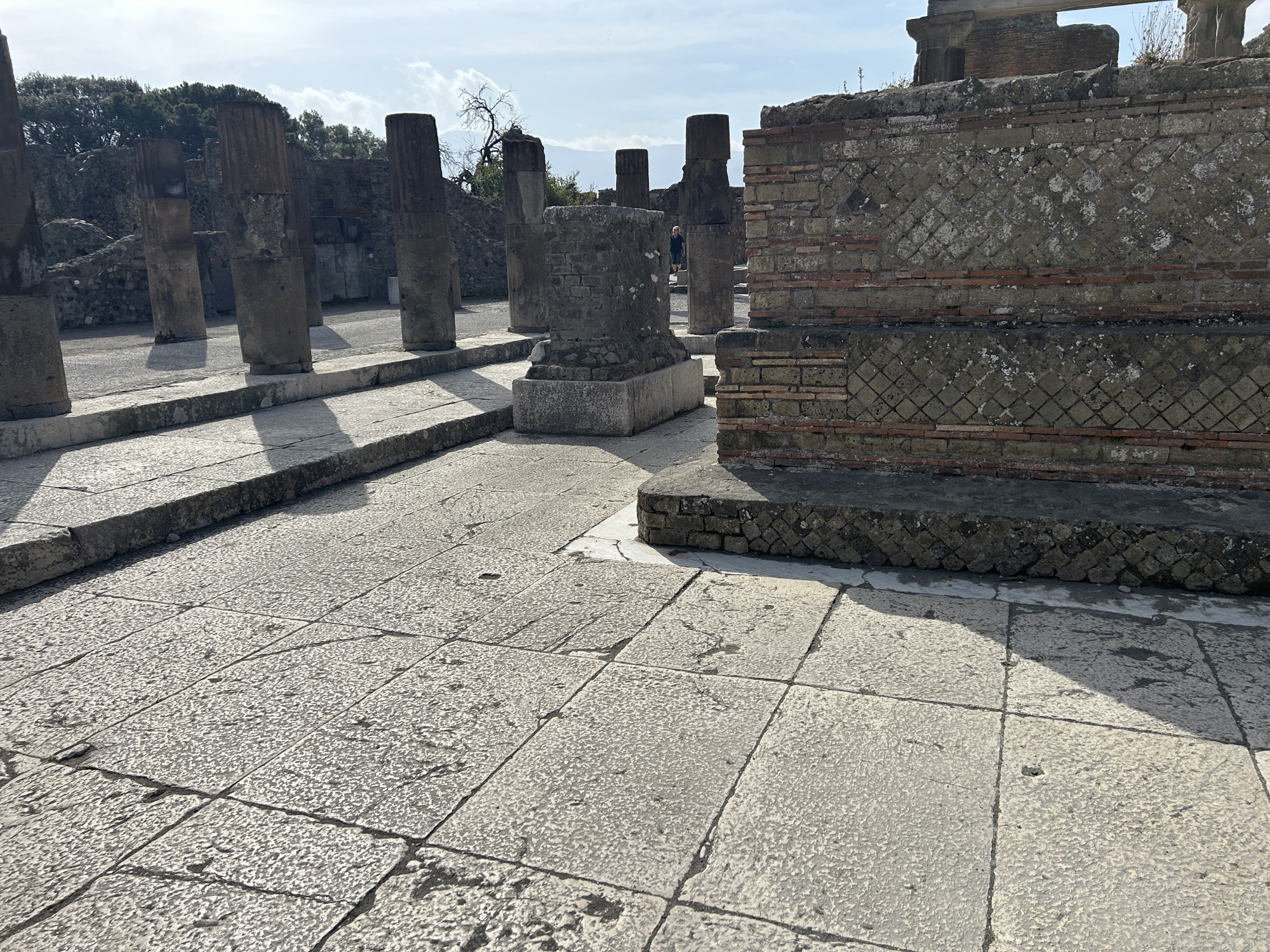
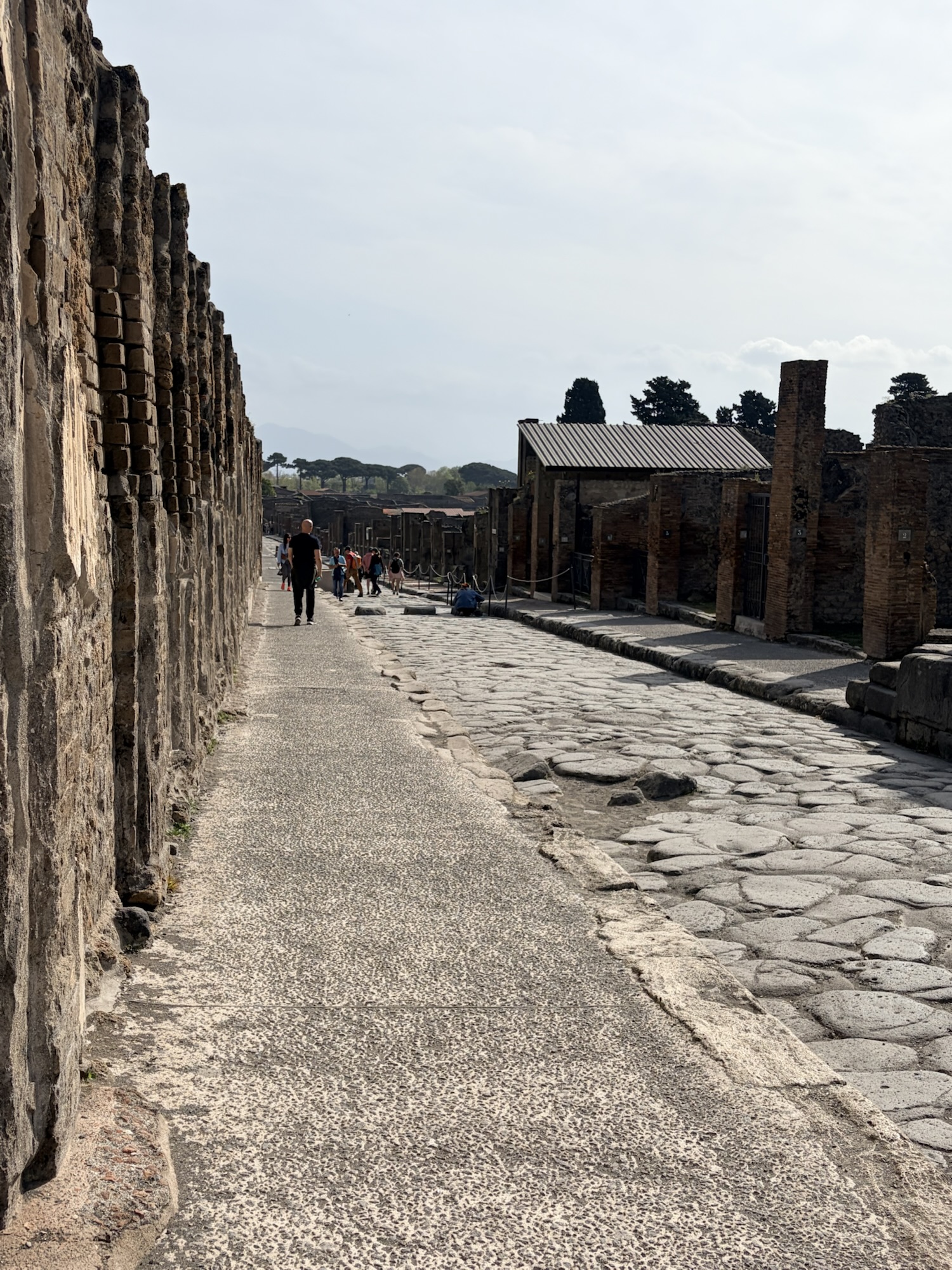
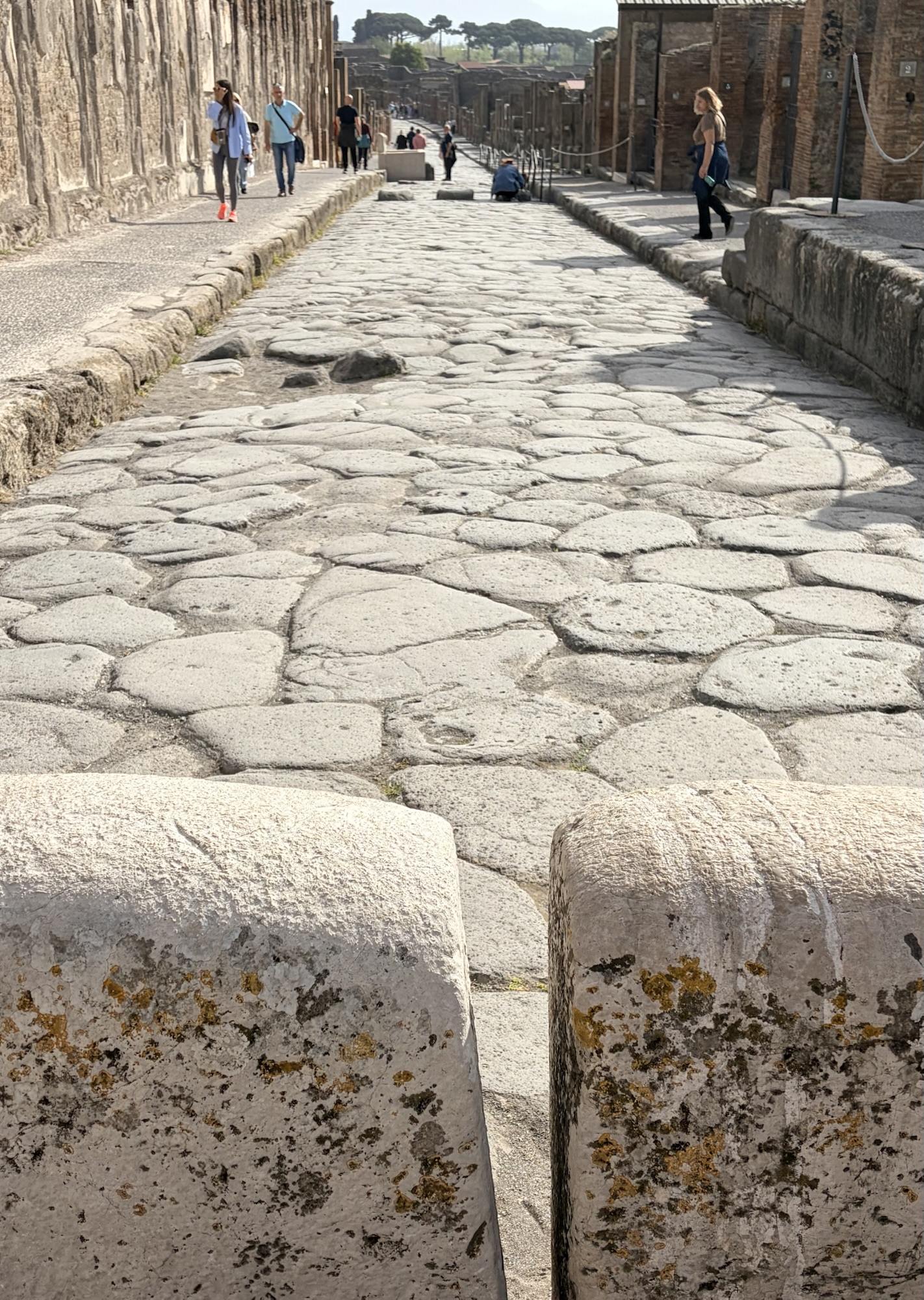
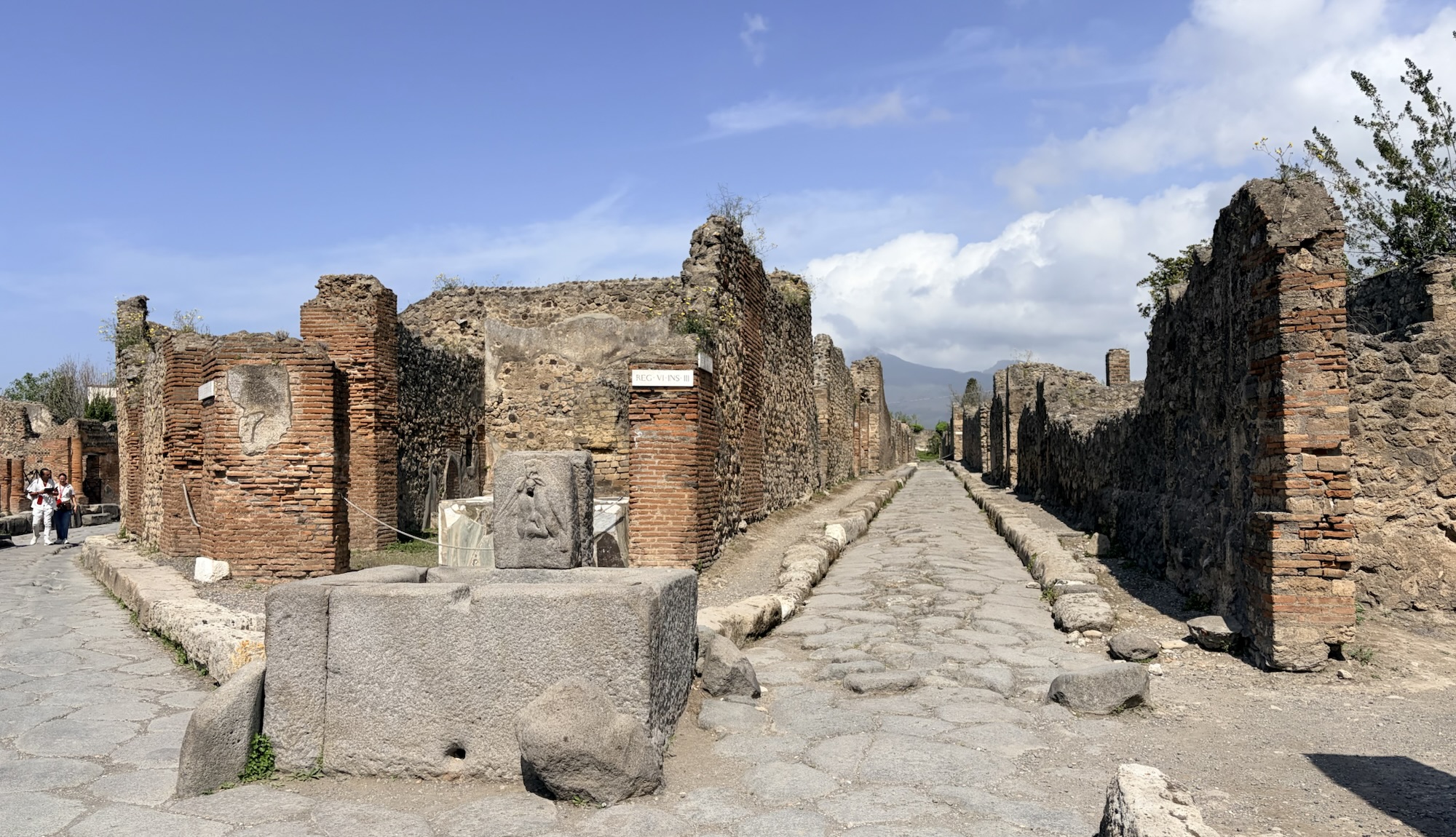
Note the little white stones between the paving rocks, which are dark gray. They are pieces of marble which reflected moonlight to help visitors find their wayThe large forum near the main gate; Vesuvius in the background (“Don’t worry, she is sleeping.”)Near the forum, another public space
We have seen a few documentaries about Pompeii and Roman history in general, so I wondered how much we would still have to learn and enjoy. Answer: A LOT! As I looked over the photos when we returned to Napoli I was again overwhelmed and incredibly happy we went there. It is transformative to walk on the same volcanic rock streets that the Romans walked, gaze at the same frescoes, examine the same mosaics, wander through houses that we now know so much about thanks to the archeologists…Just a wow experience in every way.
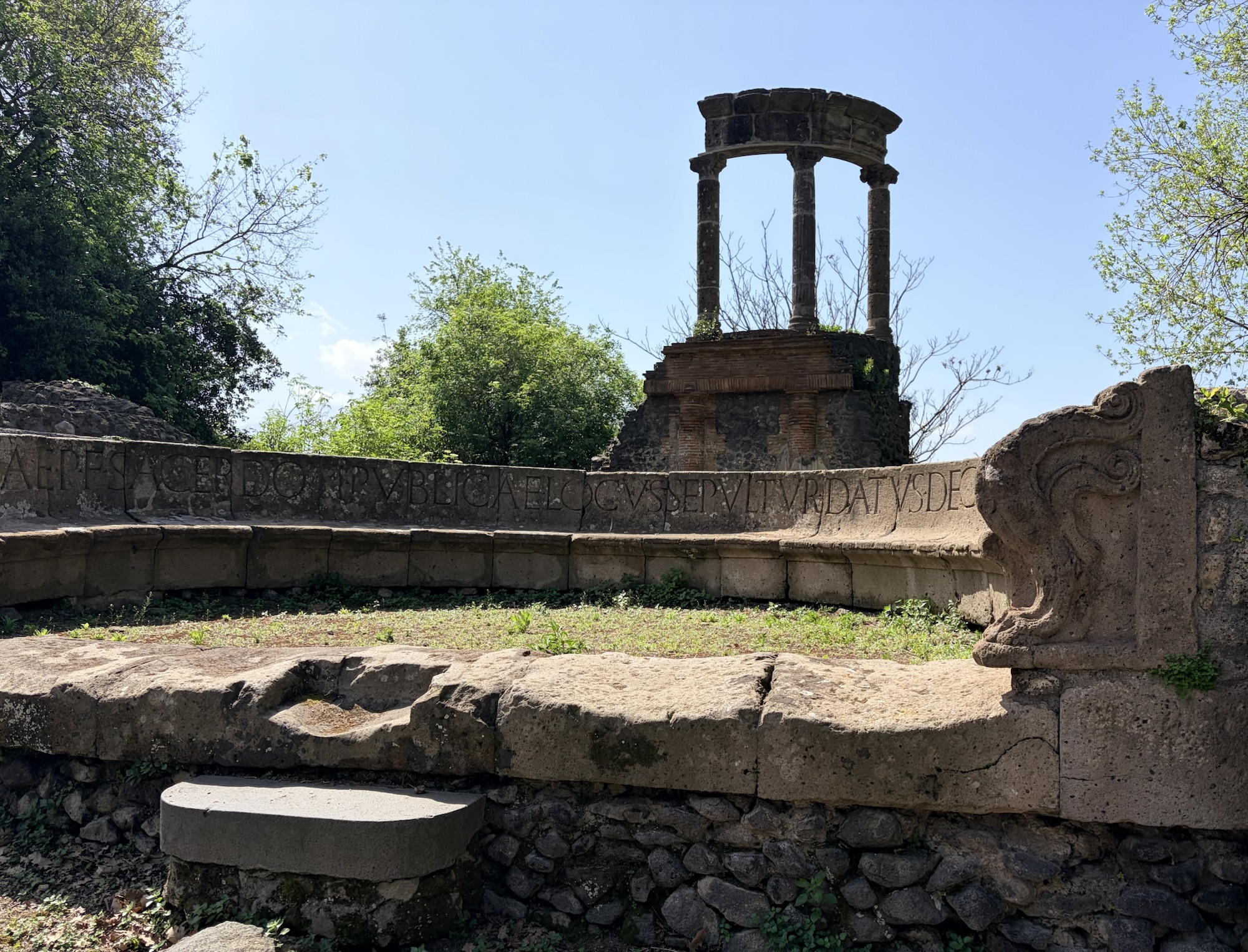
The excavation of Pompeii began in the 1740’s on the order of the regional king but excavation by an archeologist wasn’t begun until 1910; our guide rued what had been haphazard and destructive up to then. Our guide showed us where she had most recently been working—the cemetery outside the city walls. The specific spot she showed us was unremarkable, just grass and wildflowers, a reminder that every bit of this part of Italy especially still hides multiple eras underground. Unimaginable.
Many layers of construction—stones covered by bricksA temple with two stories of columns still standingThe criss-cross on the wall means it was built by Romans, not prior occupants
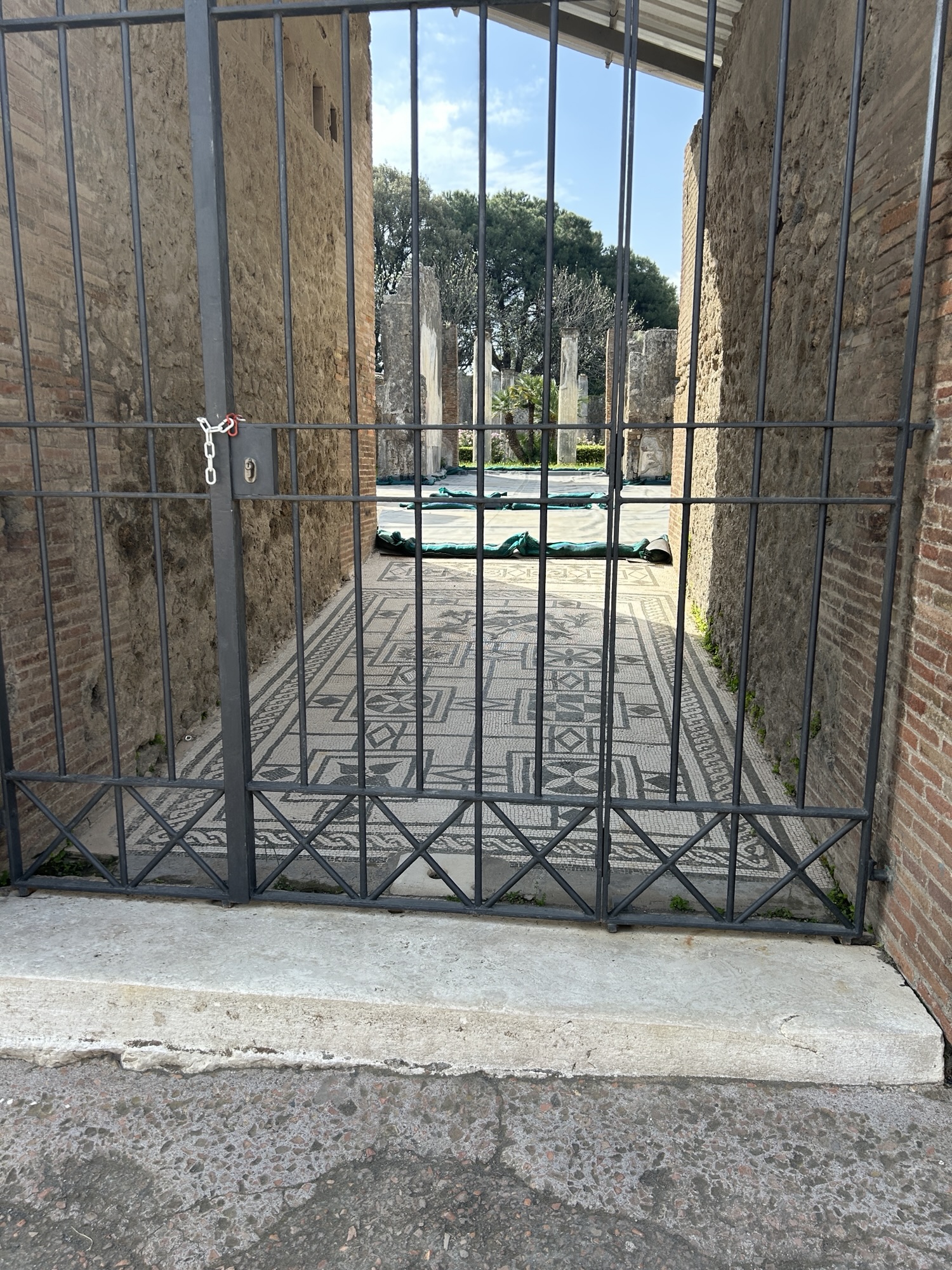
What was most remarkable to me is how much archeologists know about the life in Pompeii. An example is the identification of political life and even which houses politicians/officials lived in. If there’s a bench outside next to the entrance, it was there for clients of the official to sit waiting for an appointment. The purchase of votes was legal, so officials and aspiring officials provided favors or services in return for the client’s support. A particular house we were able to walk through (usually closed to the public but open occasionally to protect the interior frescoes) has what looks like a bench in front (a large rectangular stone) but archeologists know it was part of a street repair that had been moved out of the way. Speaking of which, the eruption was in 79AD, following a severe earthquake in 62AD. Repairs from the significant earthquake damage were still underway when Vesuvius erupted. Think of the wrangling over repairs and expenses, then boom.
We even saw a replanted garden in the center atrium of a house that our guide said was exactly the original garden…they analyzed the remains of the roots and were able to identify the shrubs.
Tried to take it all in! It was so lovely and strange and somewhat sadThe barriers at the end of the street (like we use now) to keep carts and animals out of the forum which was a marketplace so animals not welcomeEntry to a large house. Every house had the same plan, smaller or bigger depending on the wealth of the family
It is believed the city had 20,000 people, but remains of only 9,000 are evident because the wealthy had a little time to get out. The terrifying last day/hours are difficult to imagine; death was by suffocation which took about 15 minutes. Some of the wealthy likely fled to Herculaneum, which was also destroyed but a day or two later. Also, the “bodies” you’ve probably seen are plaster casts; when a cavity was found that was suspected to have been left by human remains, plaster was poured in to reveal the outlines of the remains.
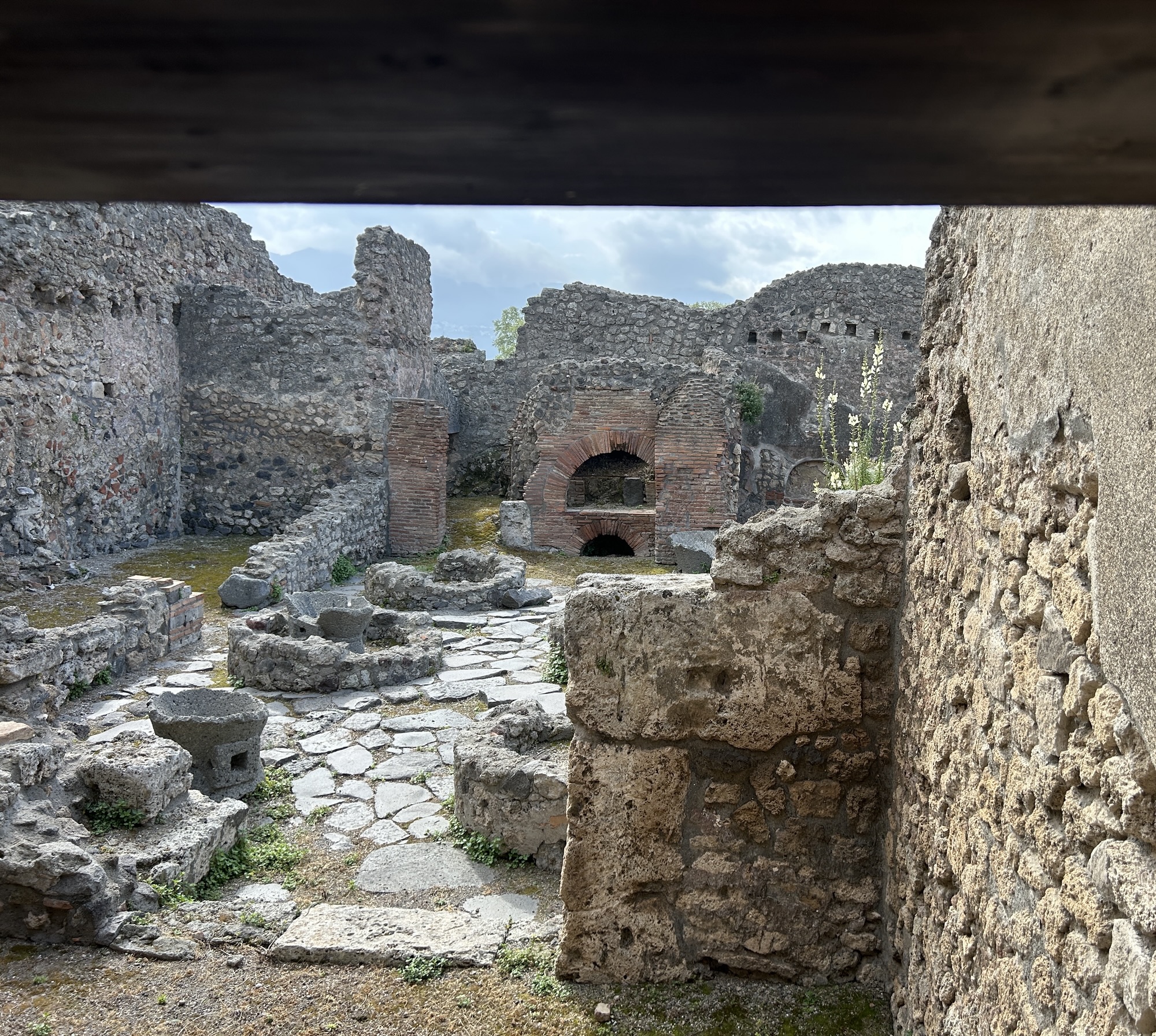
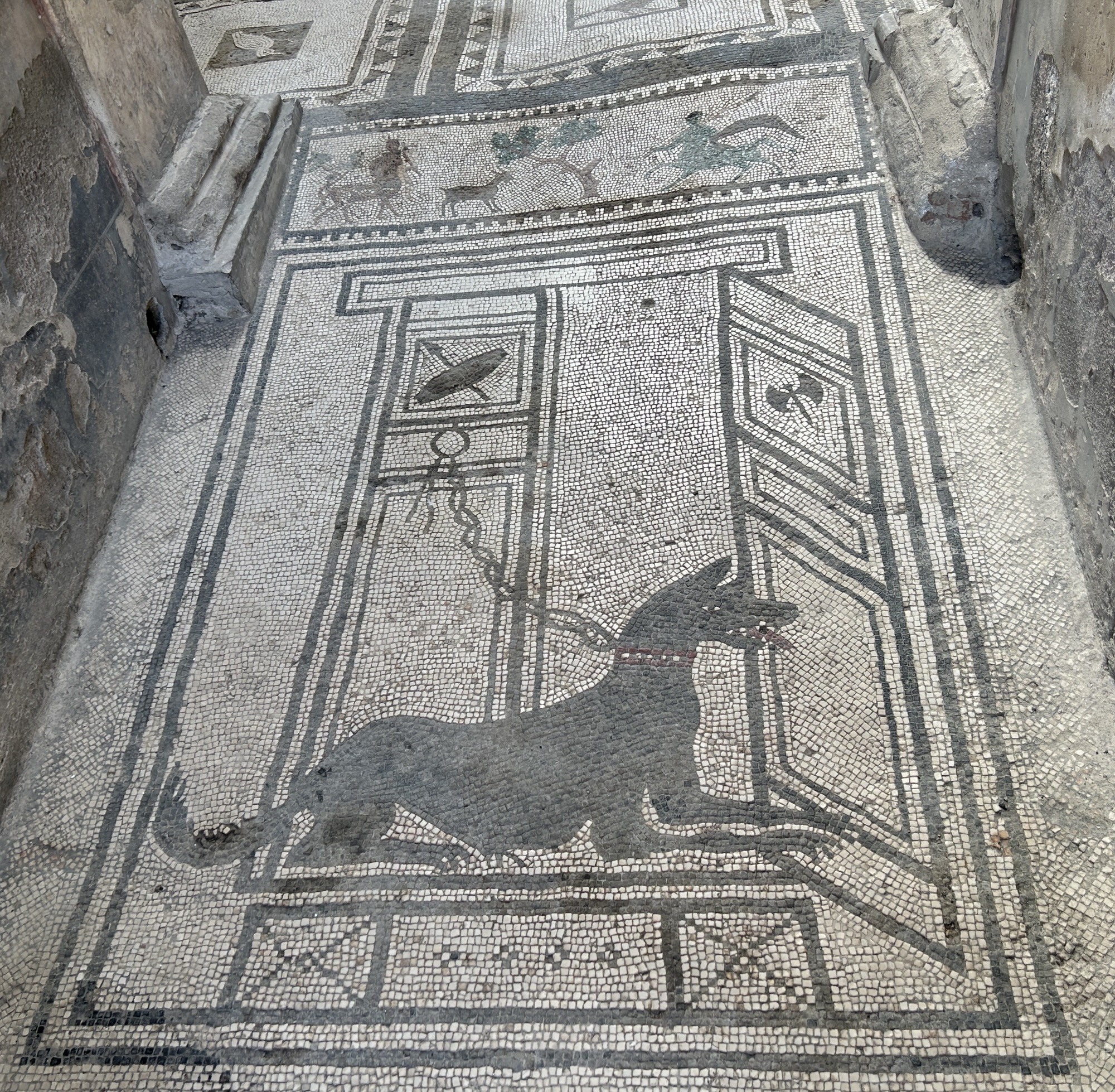
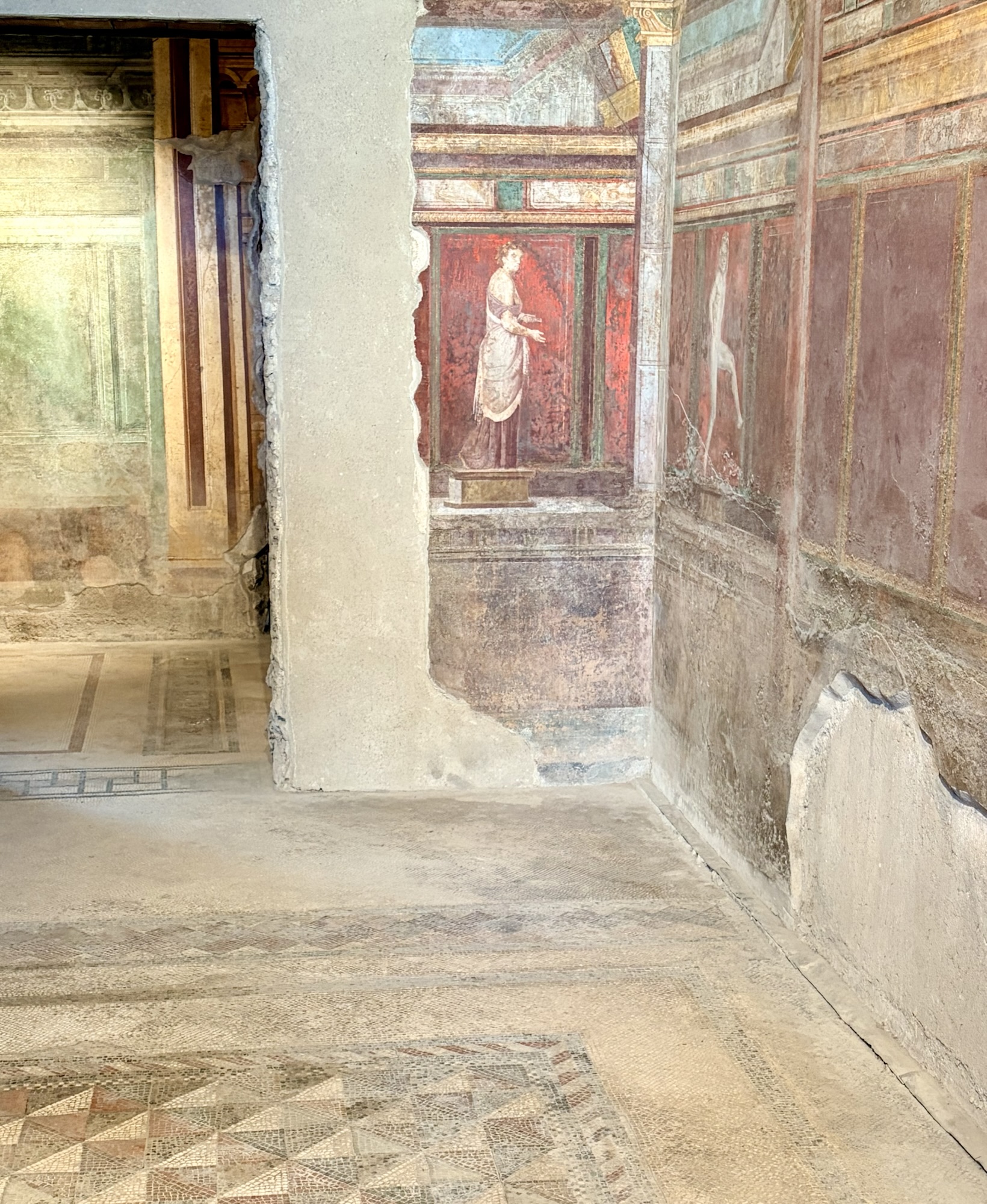
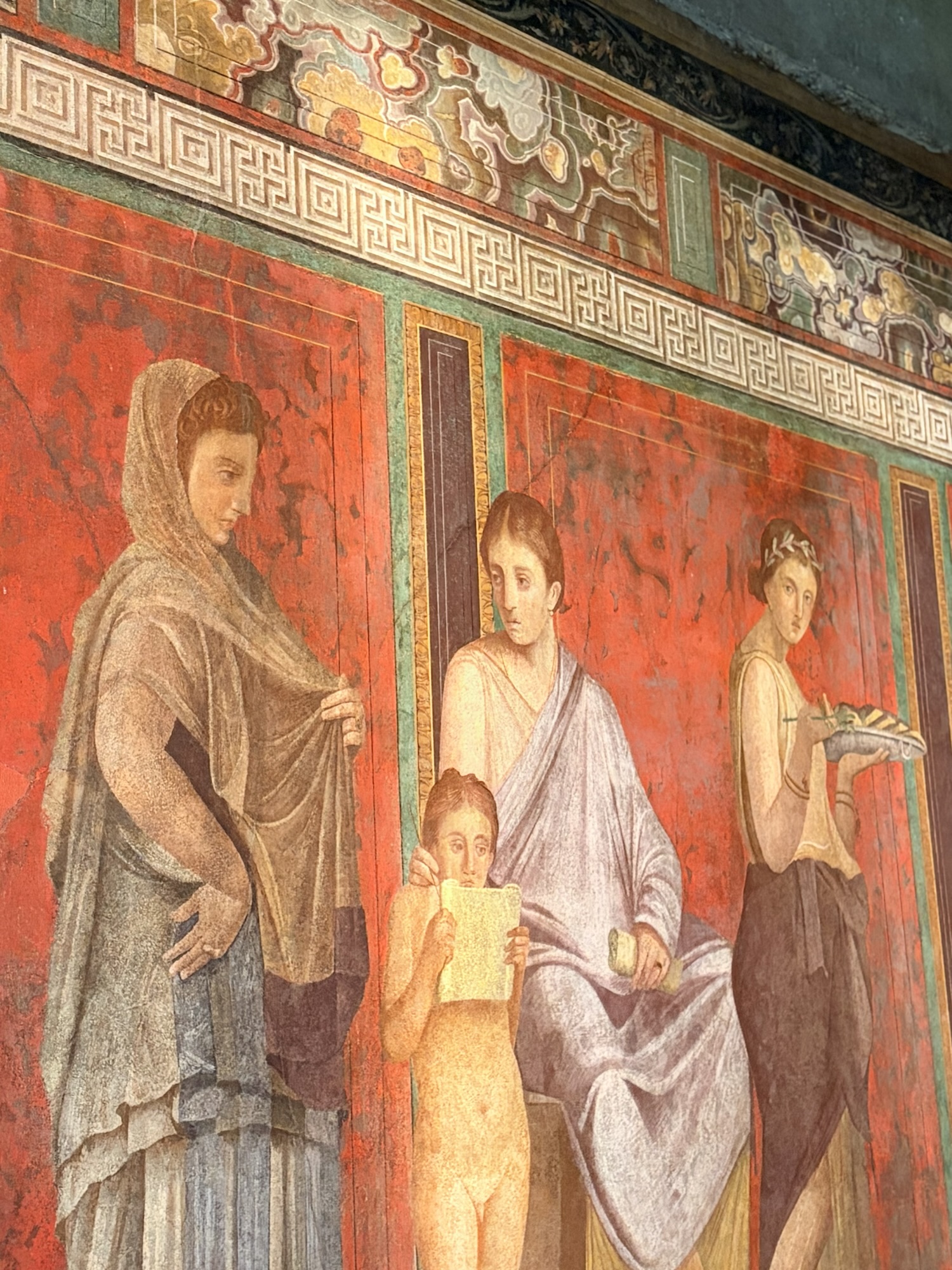
A bakery—oven in the rear, flour grinding stones along the leftBeware of dog mosaic at the entrance to a large homeJust a beautiful street.A huge cemetery plot for a celebrated woman paid for by the city.Frescoes still extant in the Villa dei MisteriA small section of a fresco that surrounds the room illustrating the woman of the house as a bride; vivid and gorgeous
Everything we saw was the result of excavation and some shoring up of dangerous walls except the large amphitheater. It has been rebuilt because events are held there, such as Madonna’s recent birthday concert. Excavation continues, probably forever as our guide said, “we archeologists are very slow.” Thankful for that.
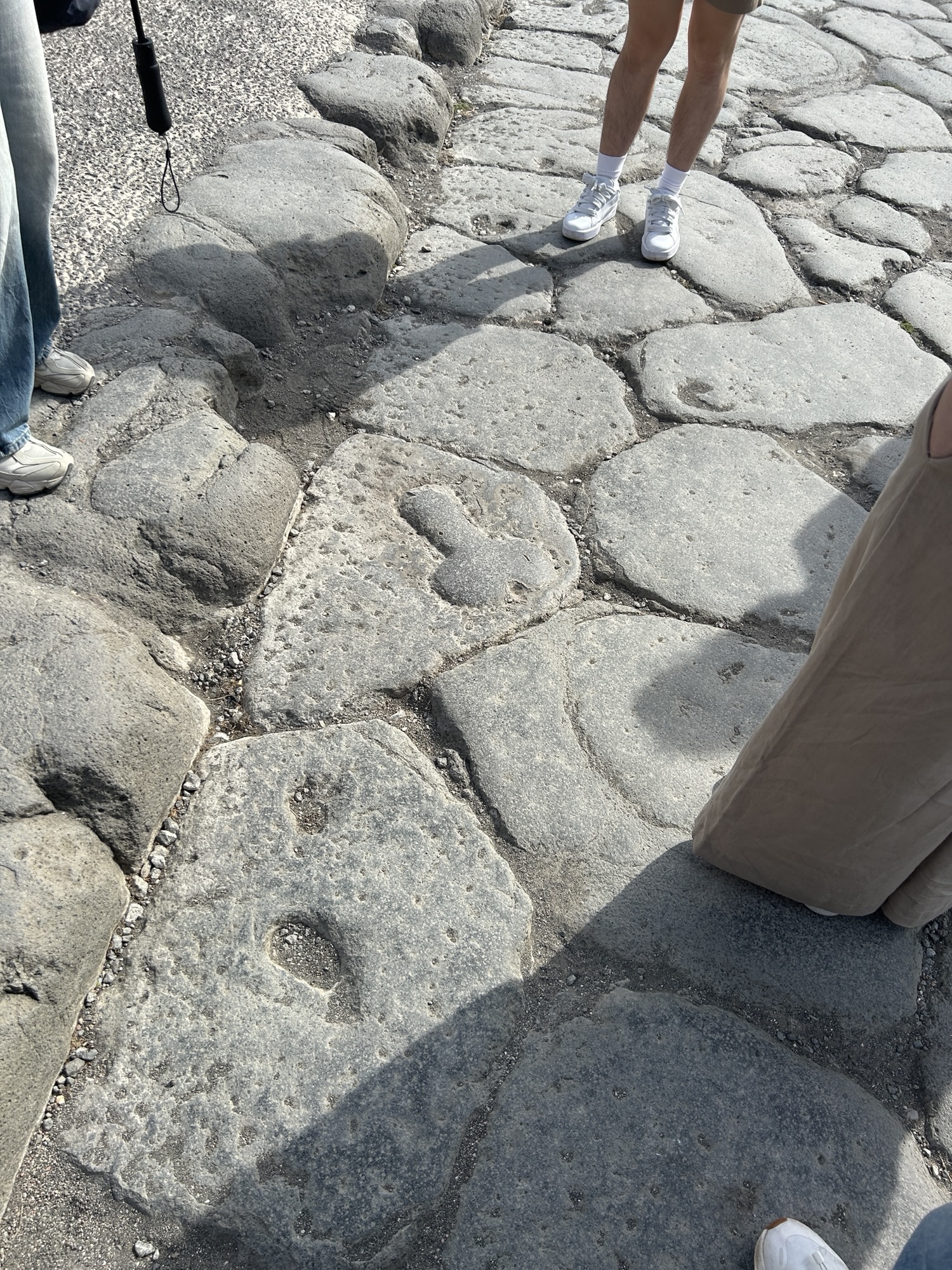
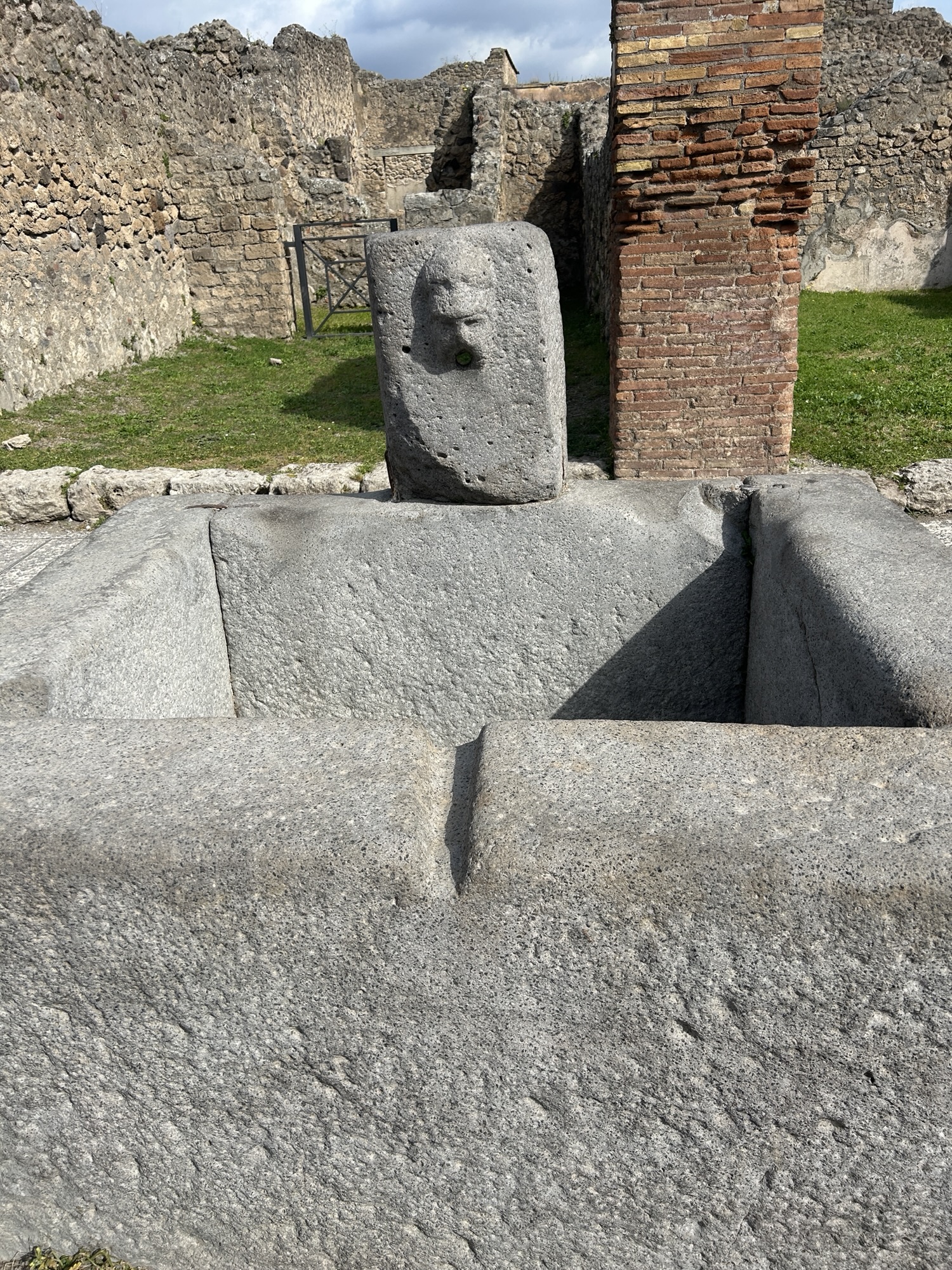
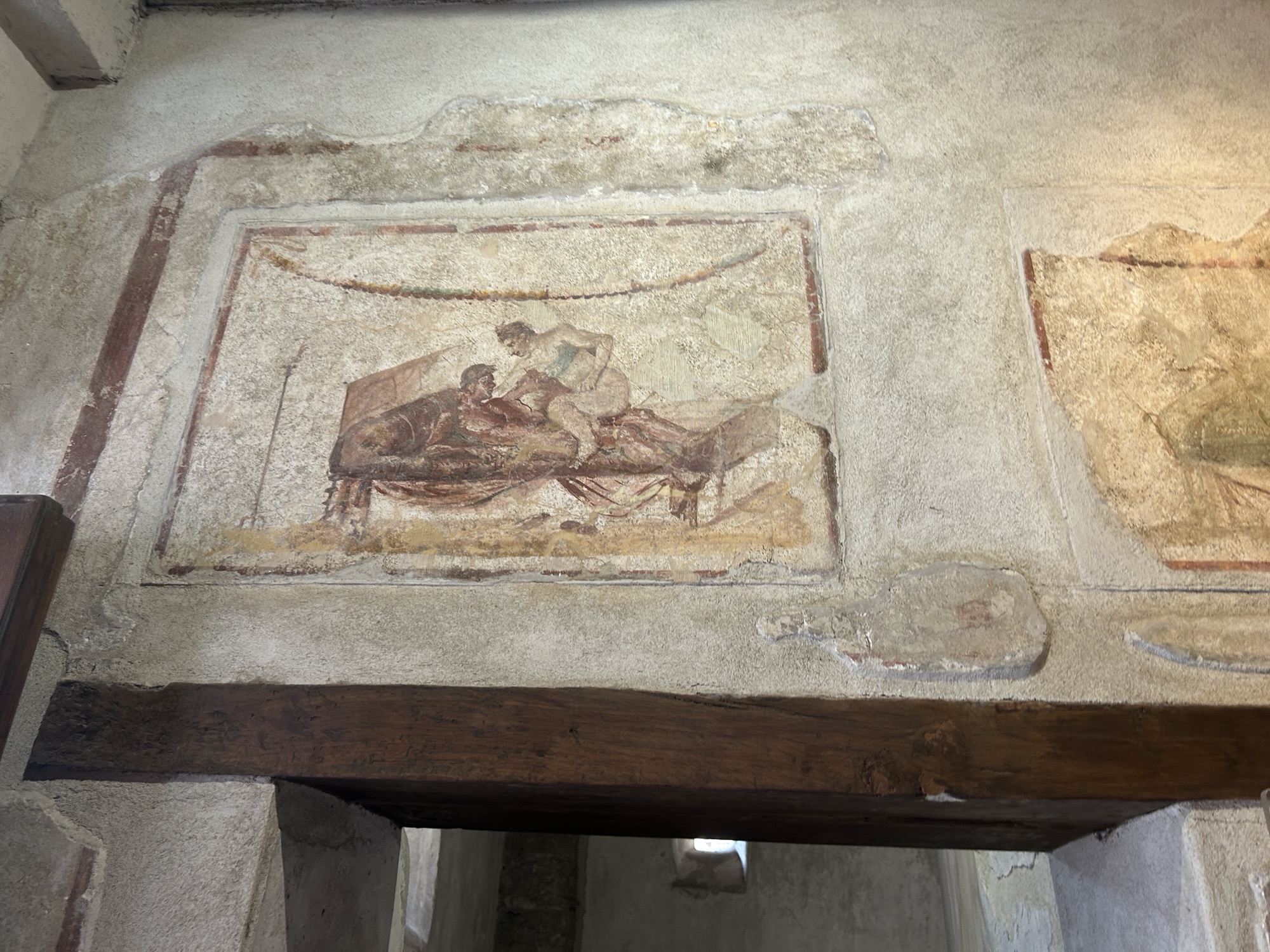
The symbol on the stone in the center points to a brothel. Many visitors (sailors and traders) didn’t speak LatinFountains place around the city—some sponsored by wealthy (noted on the fountain!)Fresco over the doorway of a prostitute’s room advertising what she offers.
After the long and frankly tiring tour, physically and mentally, we walked back into the town of Pompei for a perfect lunch (antipasto della casa) and a walk back to the train station.
The train back to Garibaldi was late and packed, but the windows were open and the air was breezy. Everyone around was friendly, lots of impromptu conversations. Then the train began to slow, many stops skipped, then we stopped. This is a very old train more like an ancient metro than a train—no announcements, no displays of stops upcoming (you had to read the station sign…if possible… to see where you were). We were now stopped 4 stations from Garibaldi. Finally the doors opened. No information was forthcoming. A few people stepped off in search of updates—the train was broken, would take a few hours to fix. No buses, no alternate routes on google; everyone had a phone out looking for solutions. We got off the train and walked up to street level.
In spite of David’s chronic aversion to paying “extra” for a taxi I opened the Freenow app (Lyft in Europe) and watched the repeated “Looking for a driver; high demand” flash by over and over. We began to despair. A woman with whom I had strategized on the train came over to ask what app I was using—she had Bolt and it was not working. Chantelle is from Malta, on vacation before starting a new job; we shared the ride that finally came and Chantelle and I talked and exchanged information all the way back to Garibaldi. She even had a restaurant suggestion for Toulouse!
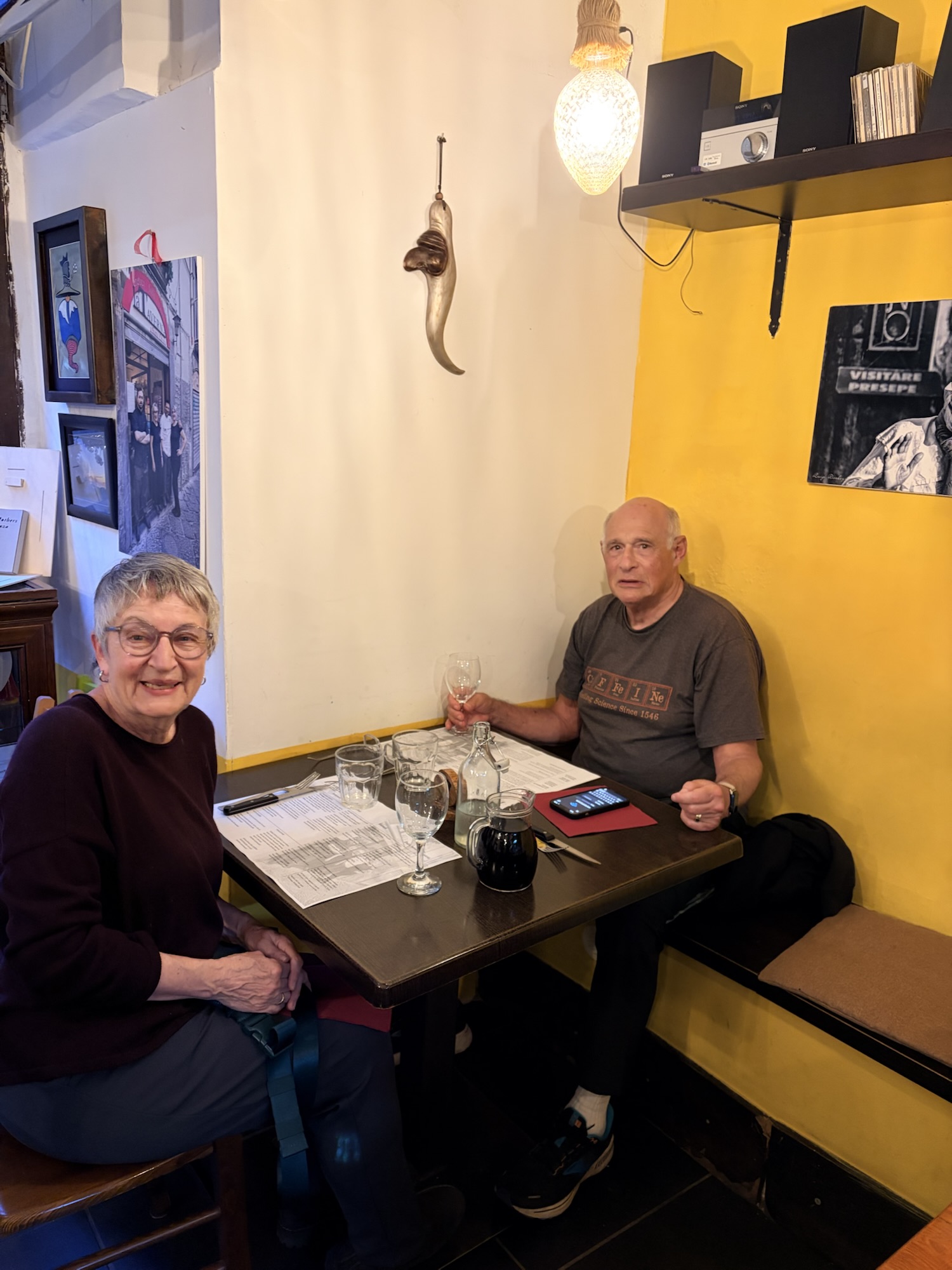
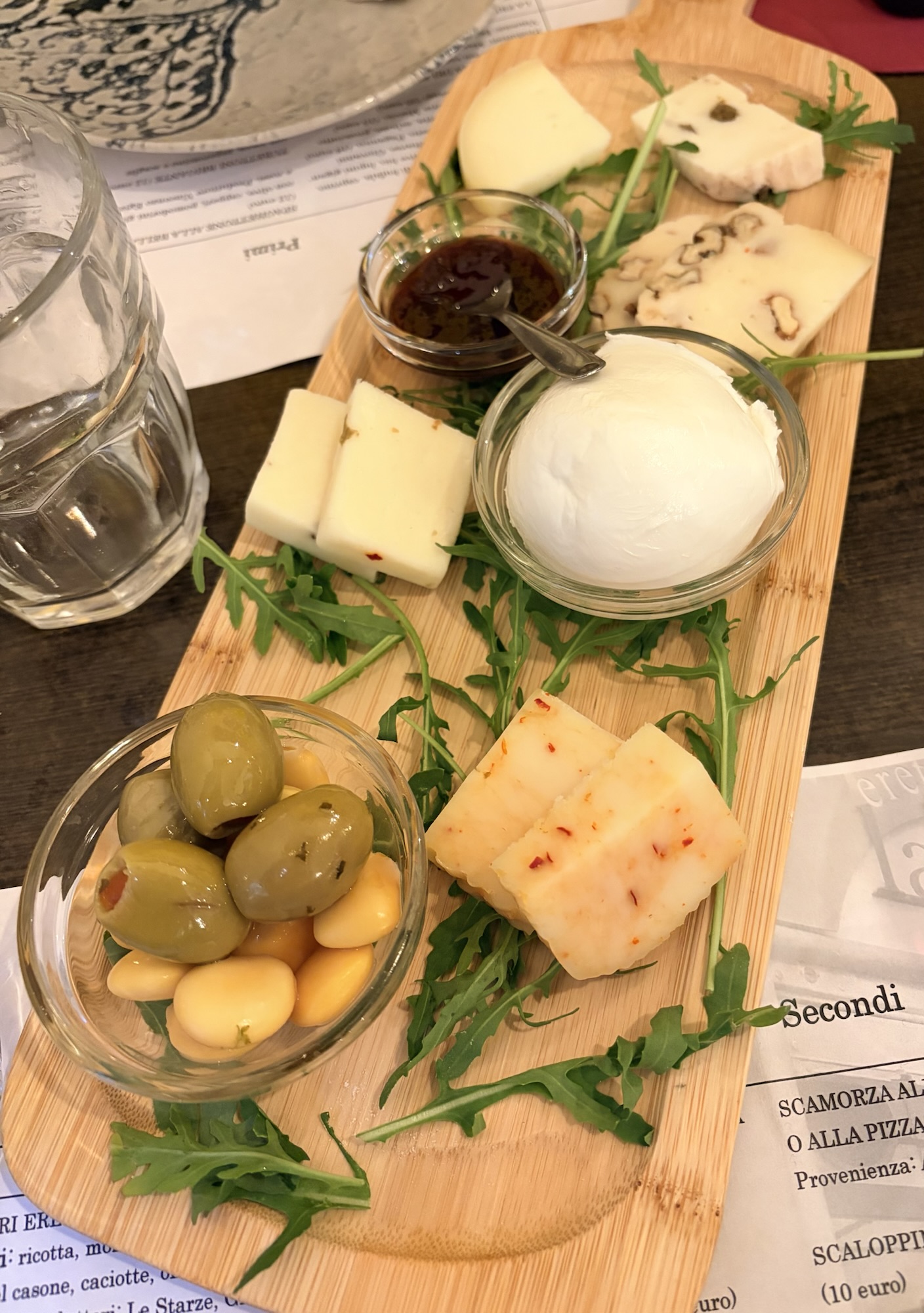
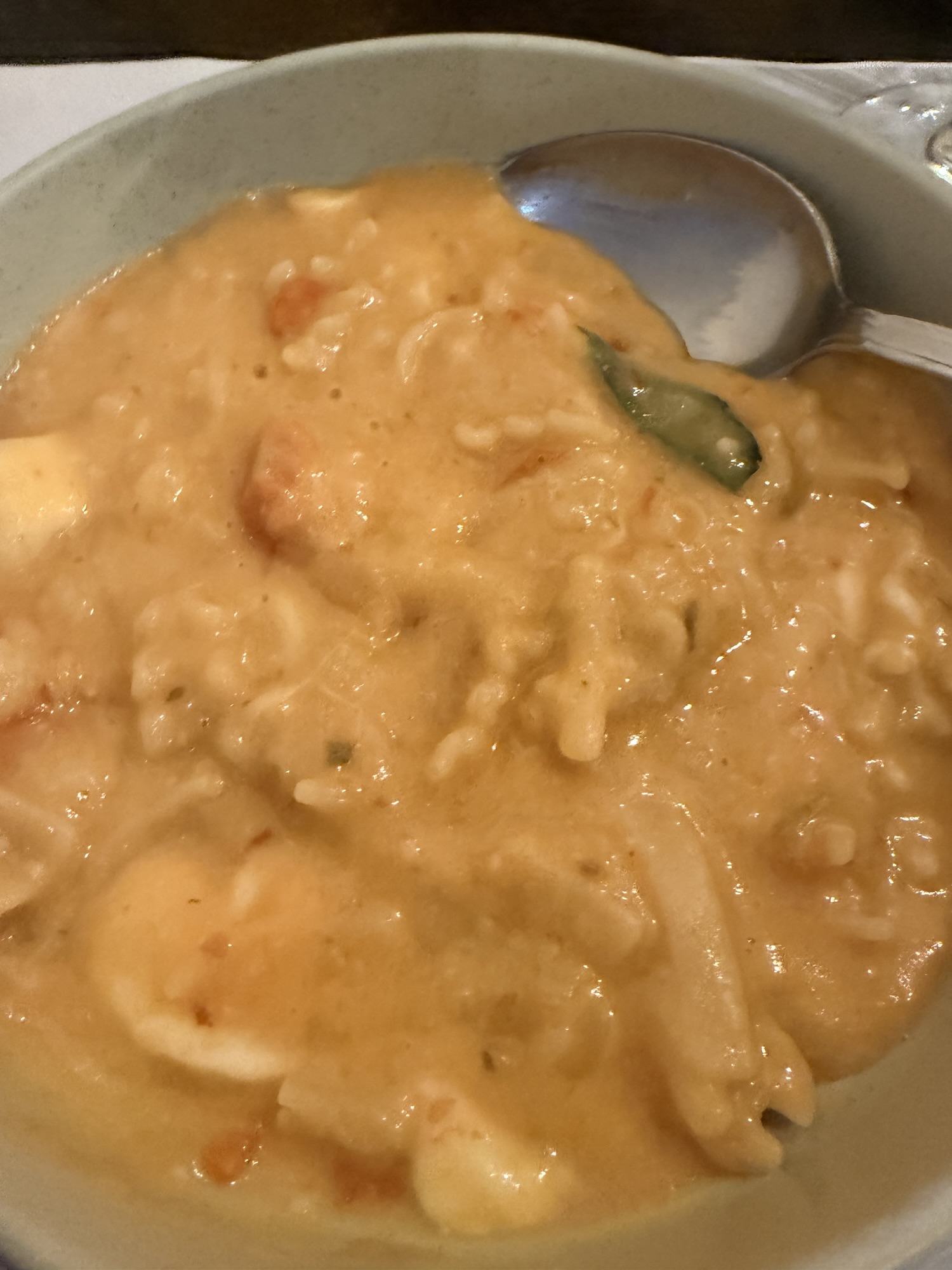
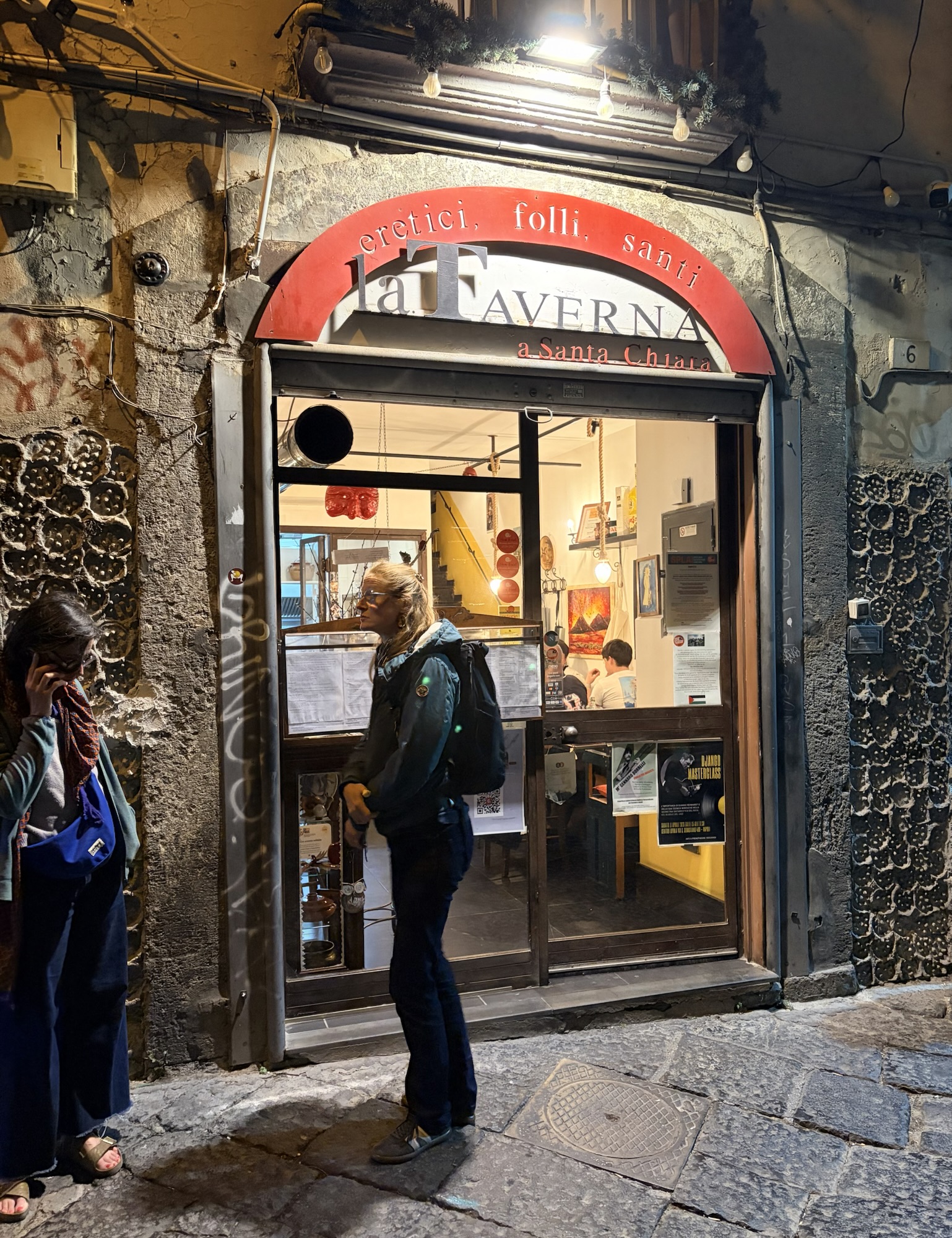
We still had time to lie down for a bit before our dinner reservation at la Taverna a Santa Chiara, which was so good. A tiny place where we watched the owners turn away walk-ins with “Maybe after 9?” We ate cheese and bread and shared an order of the local pasta and potatoes (see picture) which I must make at home it was so yummy. We walked back to Gioia Toledo and collapsed. What a day.
Wish we had had a map of the cheeses; they were all deliciousOh, this pasta was incredibly deliciousEn route back to our roomLots of people out as usual in Italy (and France and Spain…)
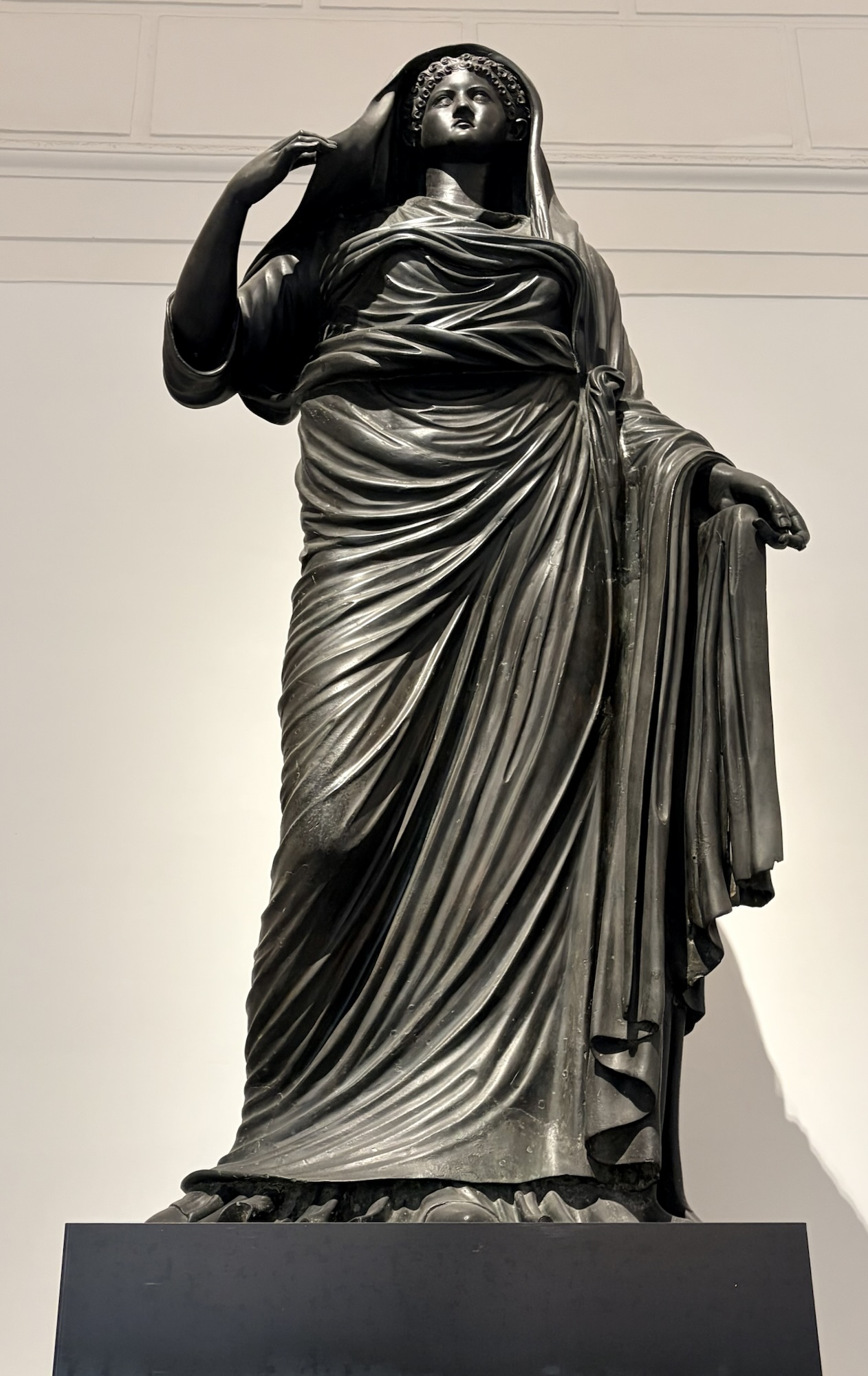
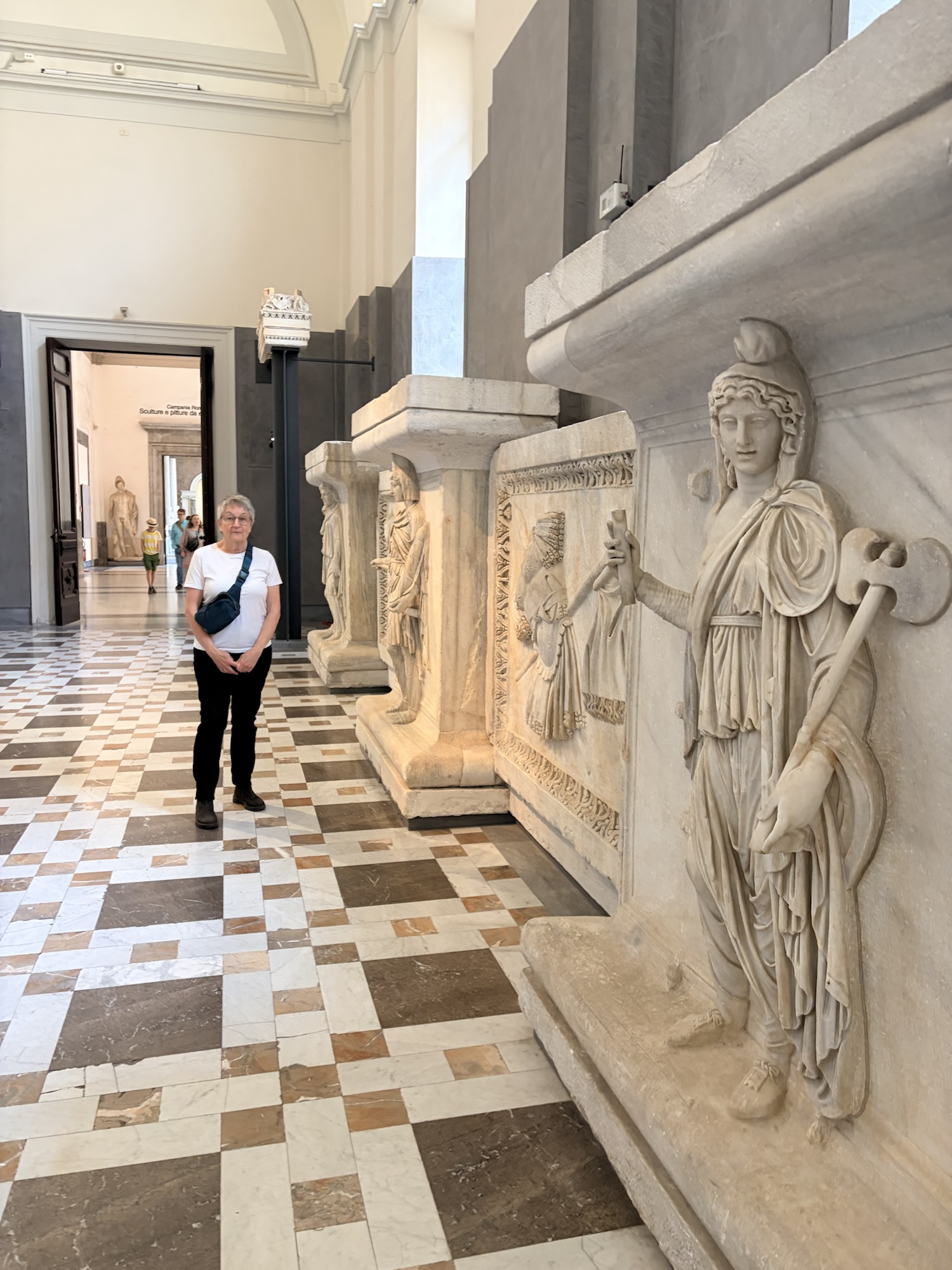
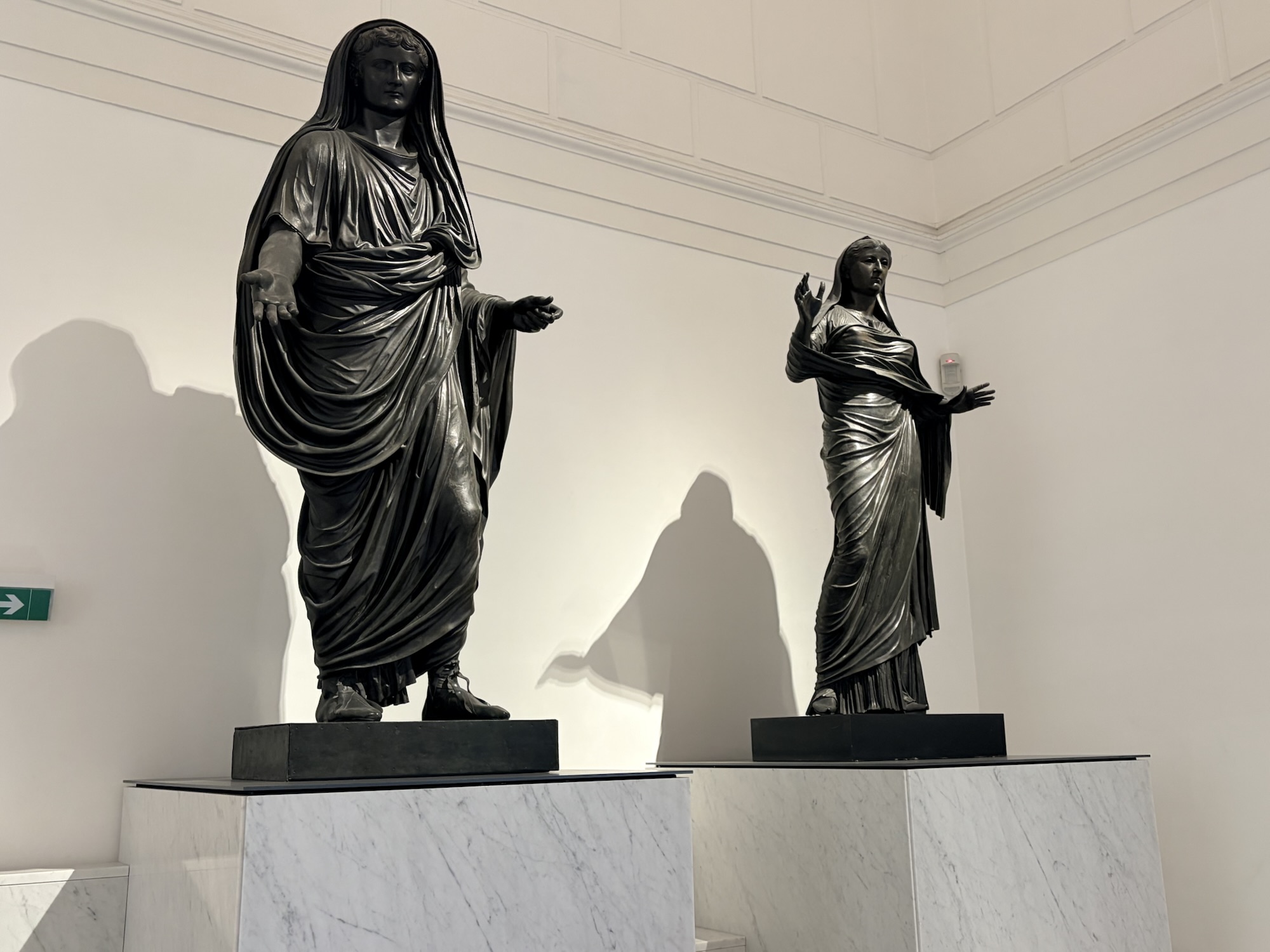
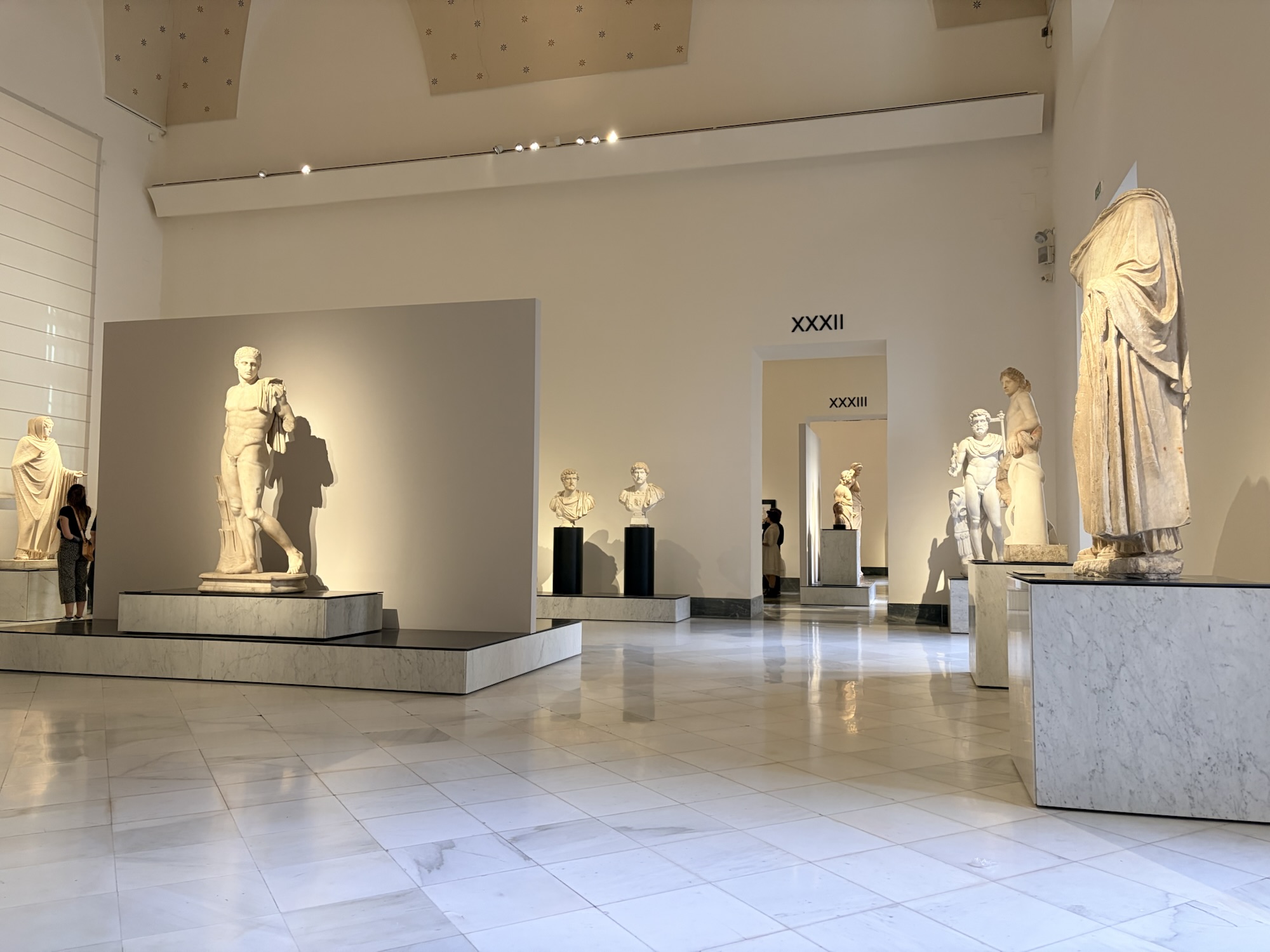
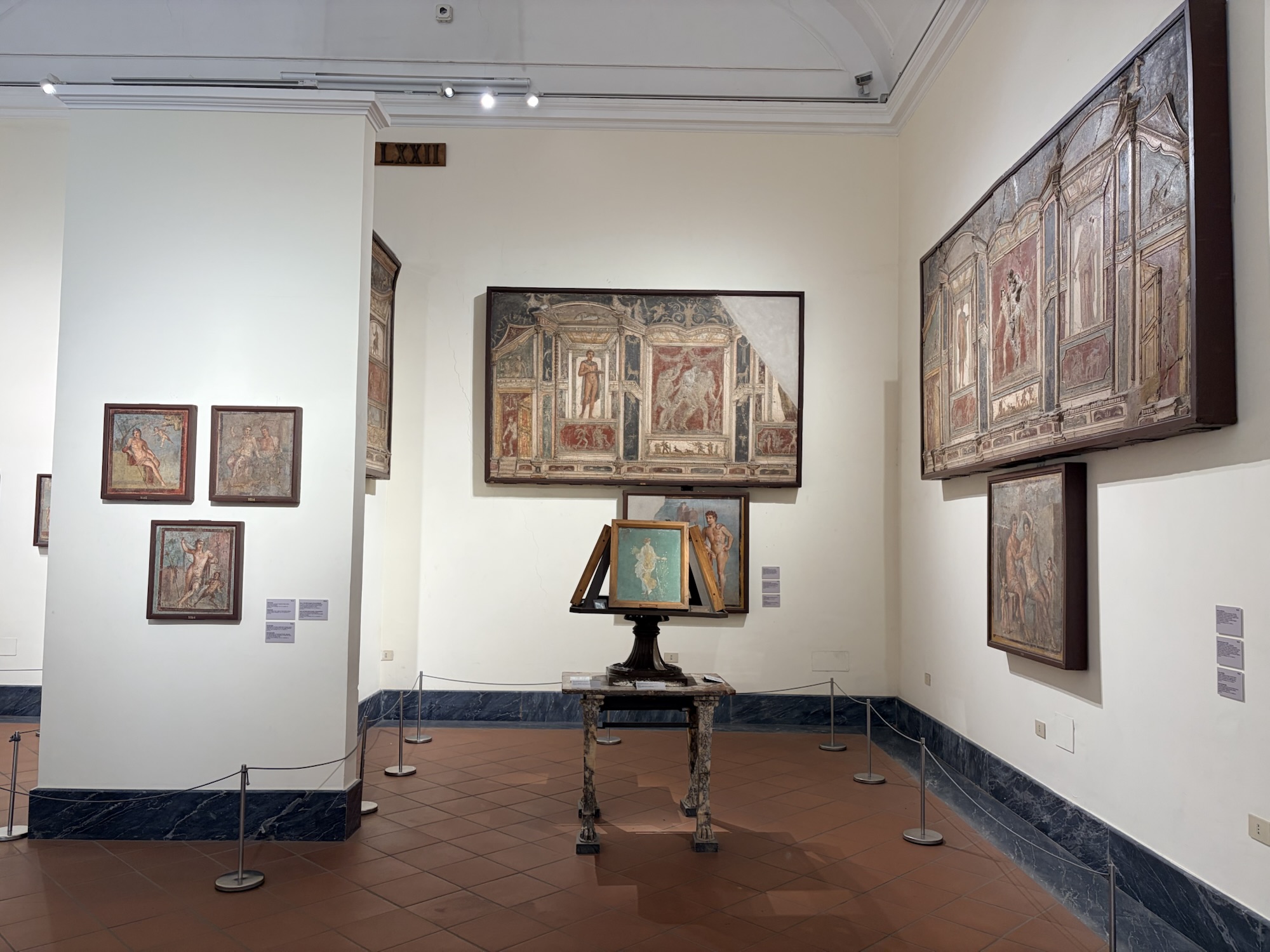
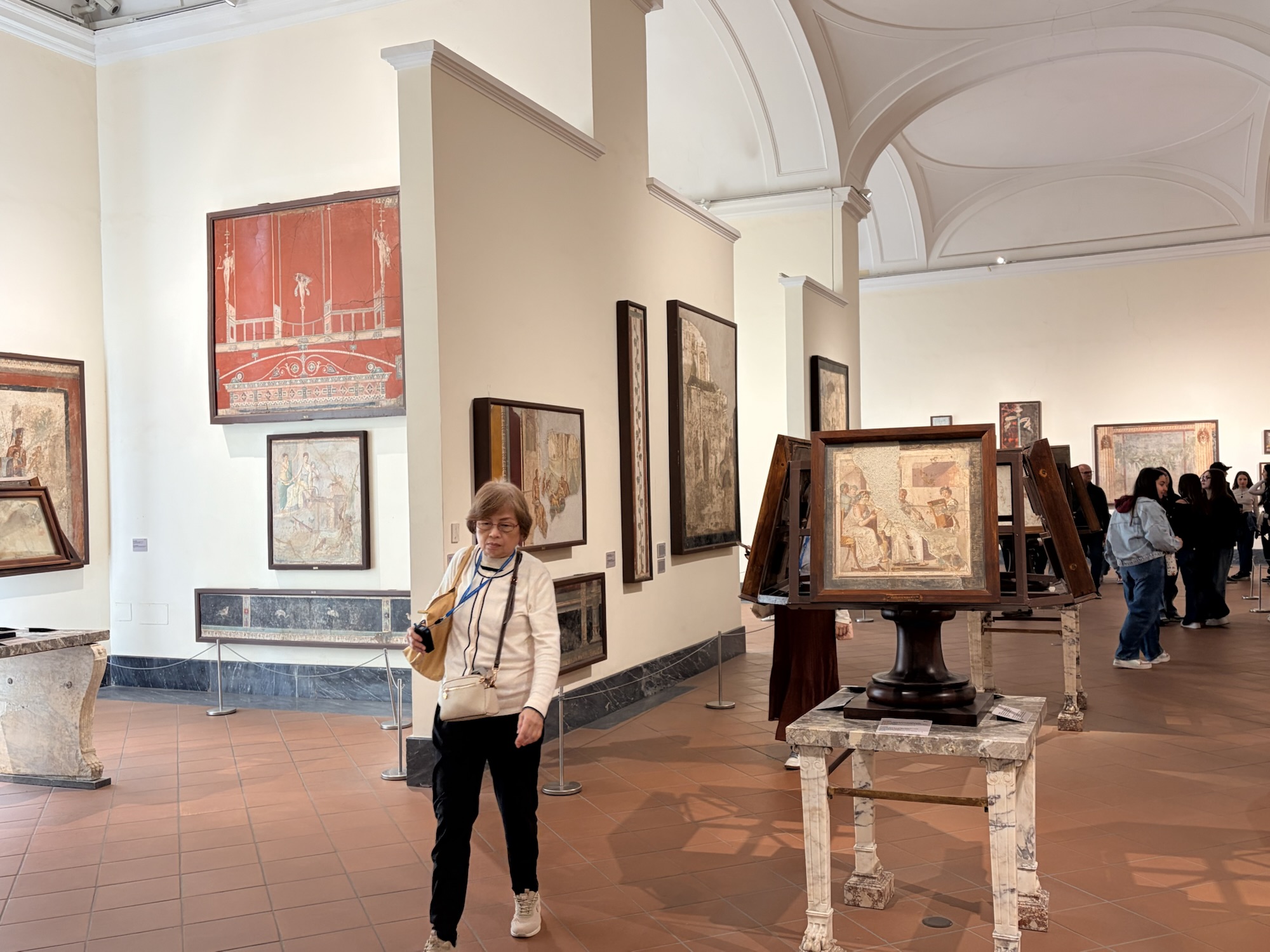
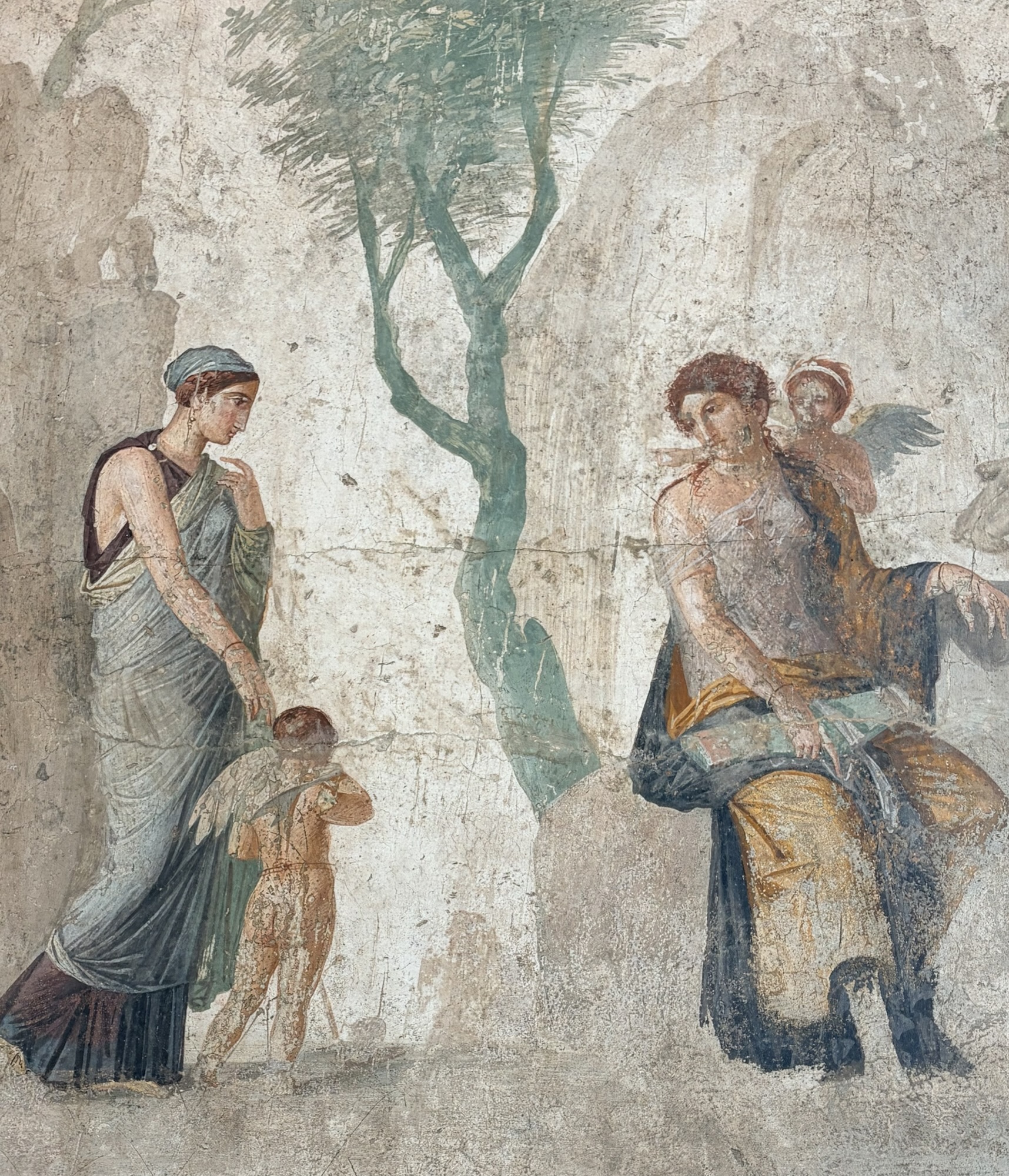
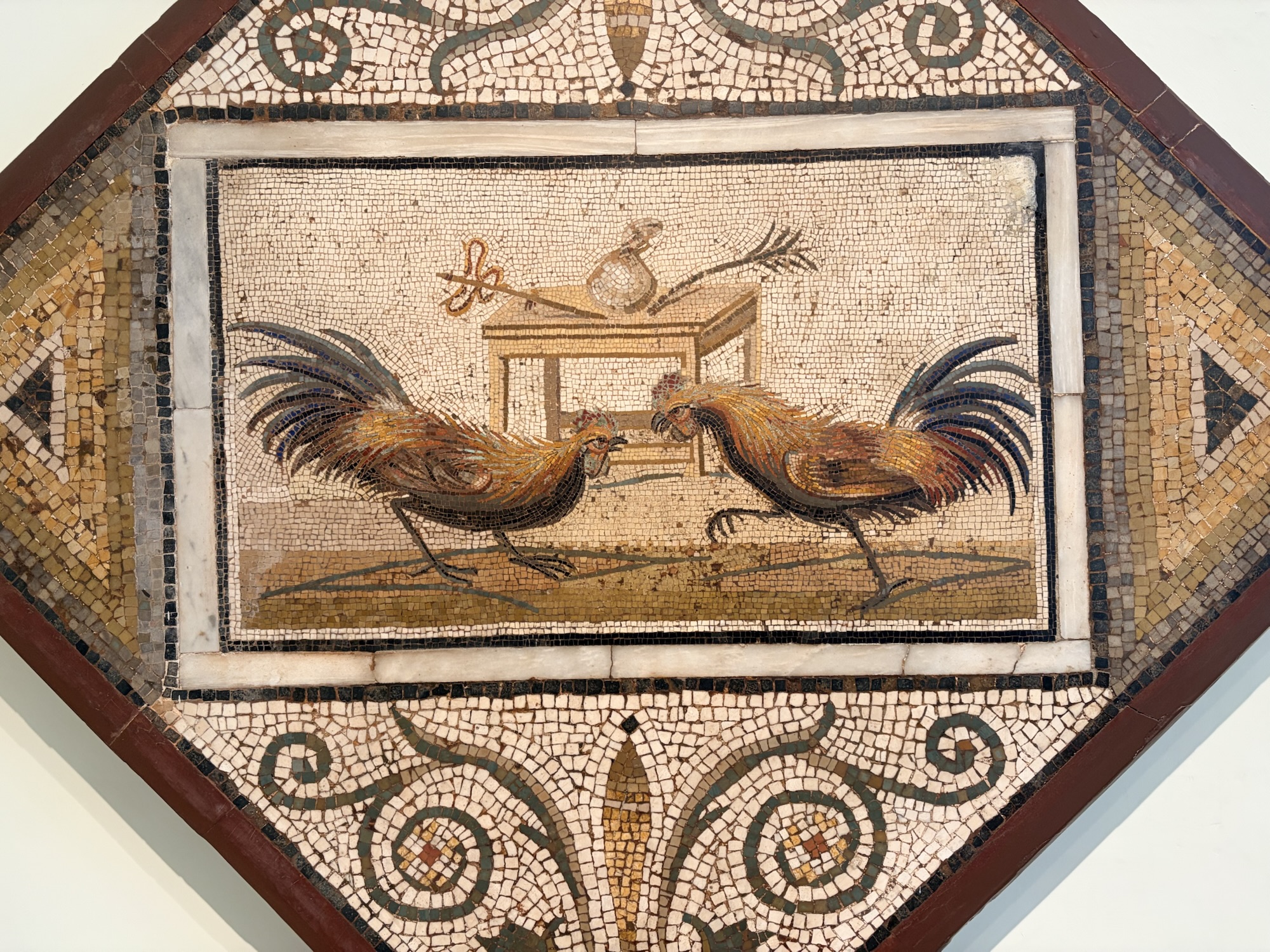
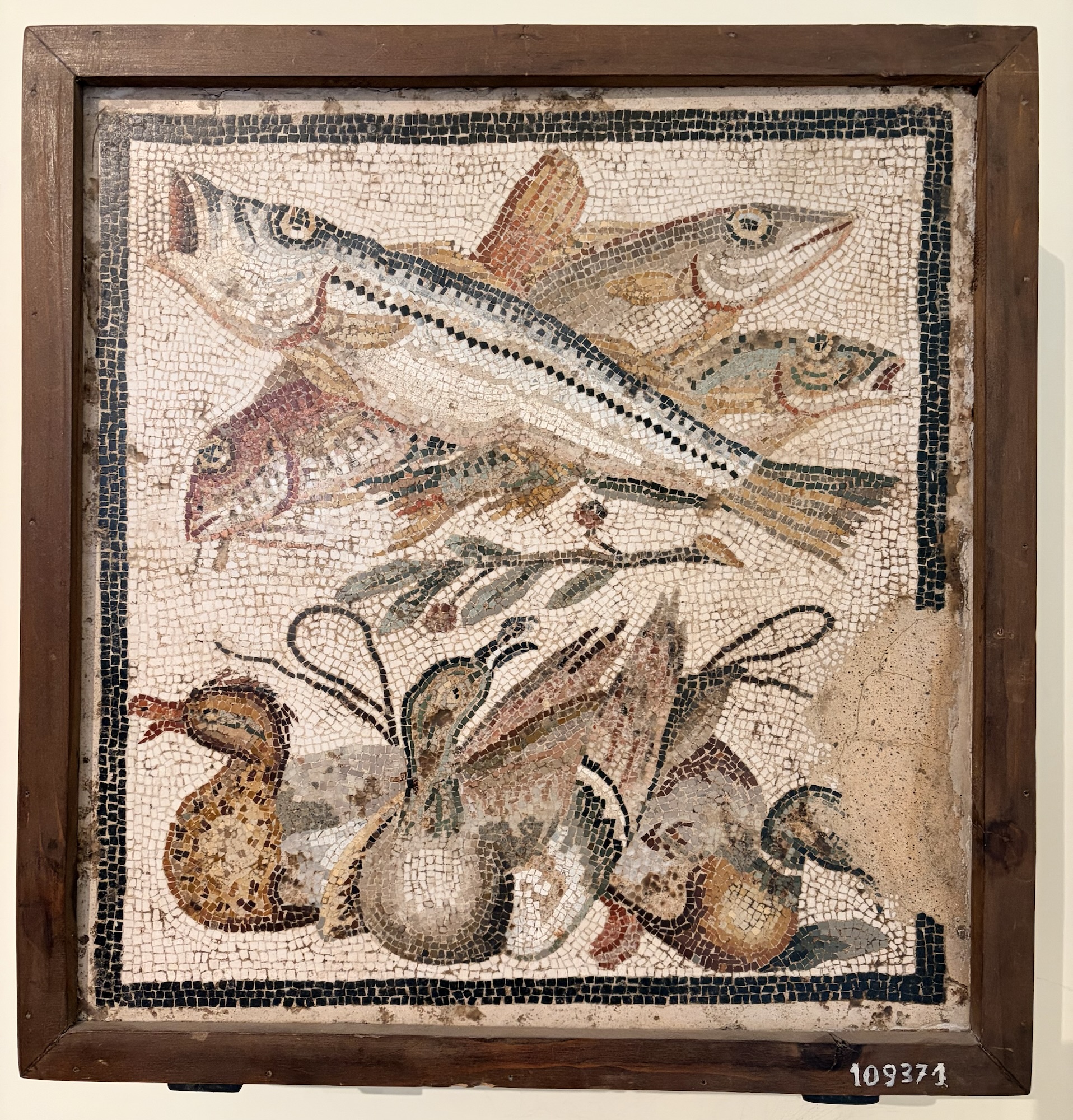
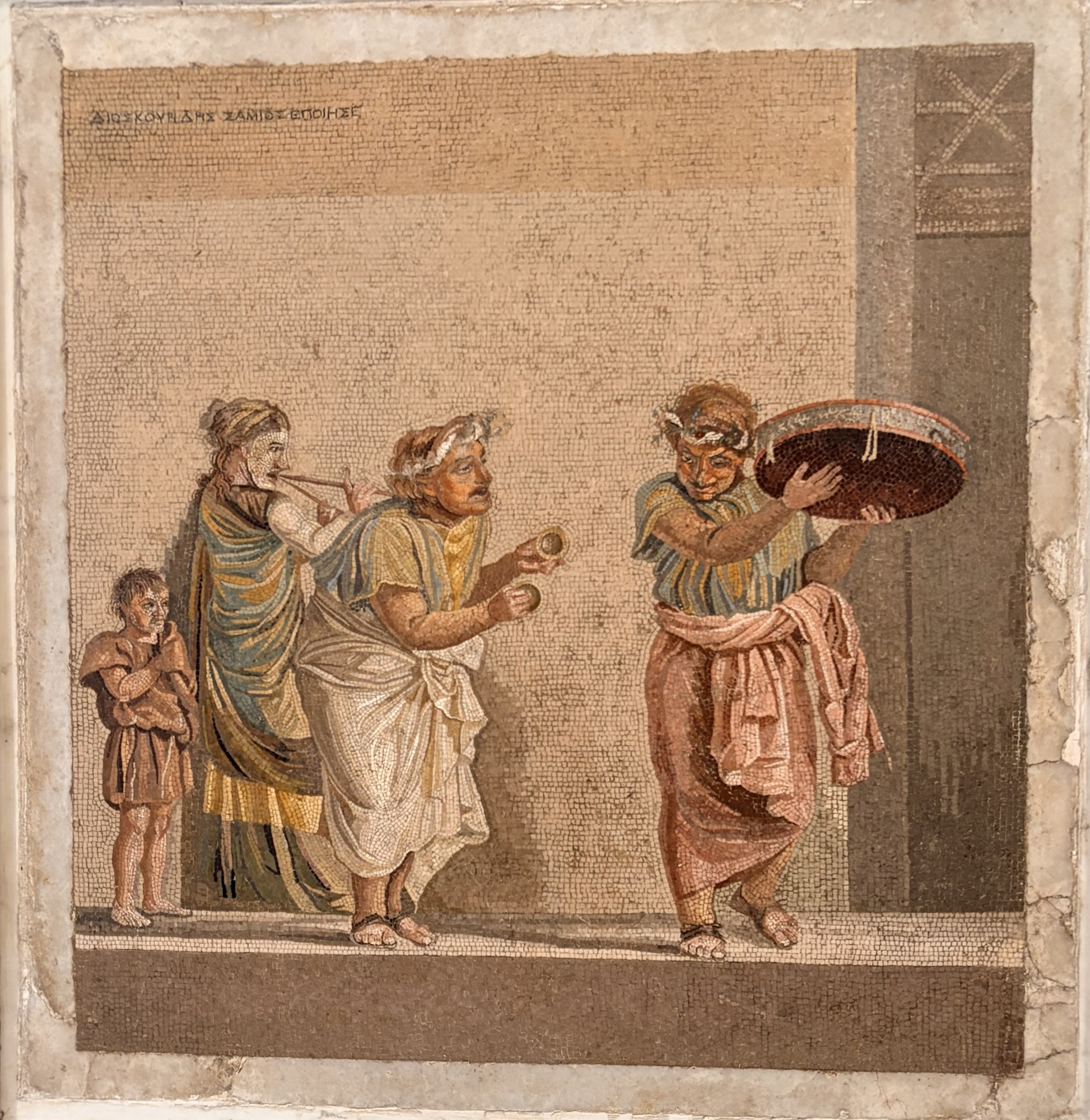
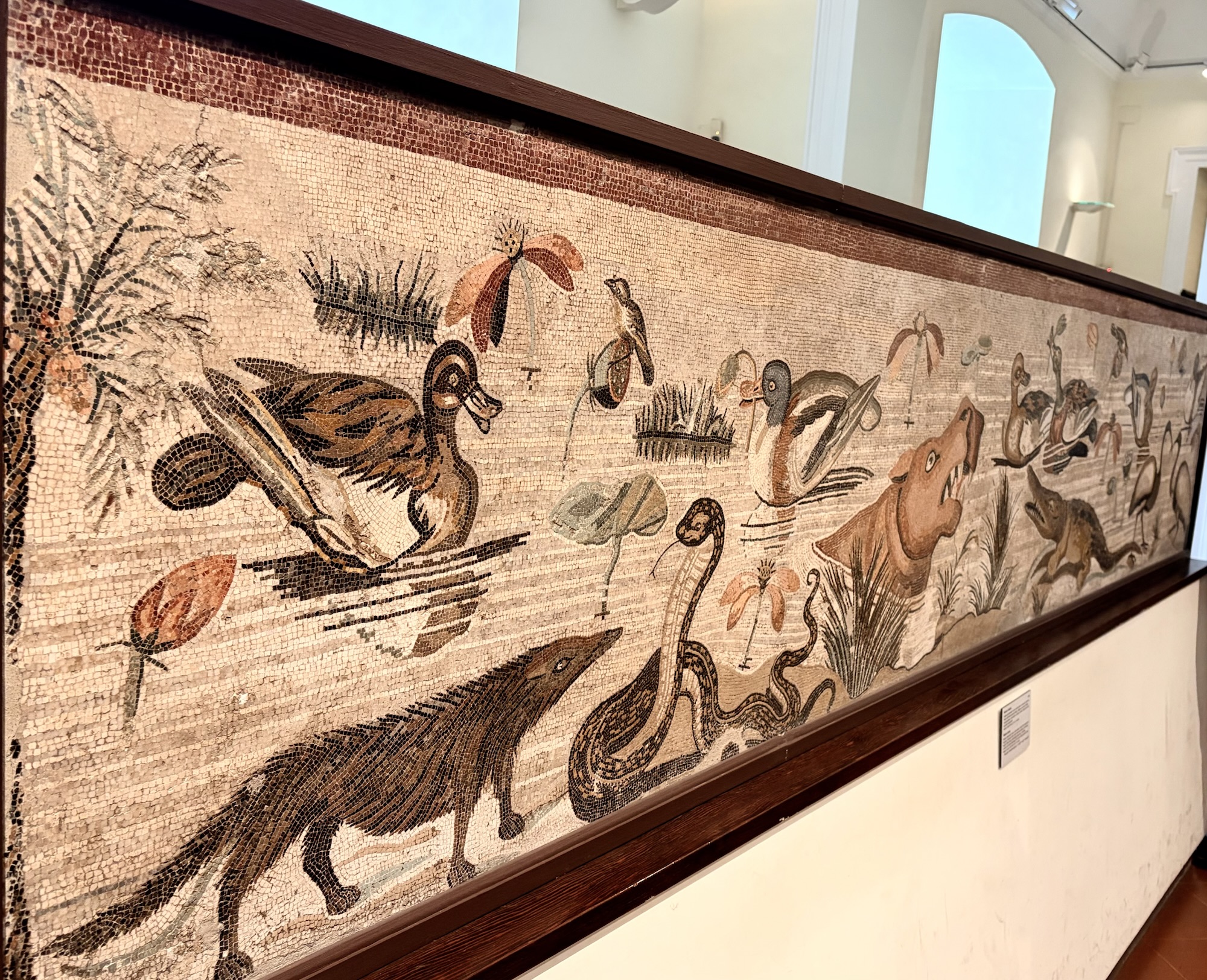
We had online tickets for 10 when it opens…and we staggered out 4 hours later having seen most everything except the Egyptian section. Wow, what a place. Rooms and rooms of massive marble and bronze statues, rooms and rooms of frescos and household items from Pompeii, and a small but fabulous mosaic collection. I have come to love mosaics most of all. We almost missed that particular section because it is on a half-level we only saw as we walked up the multi-level marble stairs.
Words will fail me, so I defer to a few of our photos.
Artifacts from Pompeii were stunning.
The mosaics, ah.
I love the use of tiny stones for the cocks and larger for the border May I have this as a jigsaw puzzle, please?The fresco of this same scene was hung just above this amazing piece, and was not nearly so vivid and aliveThis was fifteen feet (?) long…impossible for an iPhone camera to convey. Struck us as very modern in design.